10 Short-Lived WWE Pushes That Failed
These are WWE pushes that quickly came to an end
.jpg&w=3840&q=75)
Oct 8, 2026

These are WWE pushes that quickly came to an end
Oct 8, 2026
When deciding to become a pro wrestler, the vast majority of grapplers dream of becoming a world champion in the industry. To achieve such a feat, though, you often need the machine behind you in the form of a push.
The push is the key to better storylines, bigger matches, and everything else you hope for when you become a big-time TV wrestling star. Pushes don’t always work, however, and many WWE talents have thought they were on the path to superstardom, only to find themselves quickly sliding down the card.
There are 10 short-lived WWE pushes that failed.
In March of 2002, WWE went ahead with their first-ever draft split and made wrestlers exclusive to either Raw or SmackDown.
As part of creating competition for themselves following the demise of WCW one year earlier, the brand split was also designed to help wrestlers break through the glass ceiling who may not have been featured with one roster on both shows.
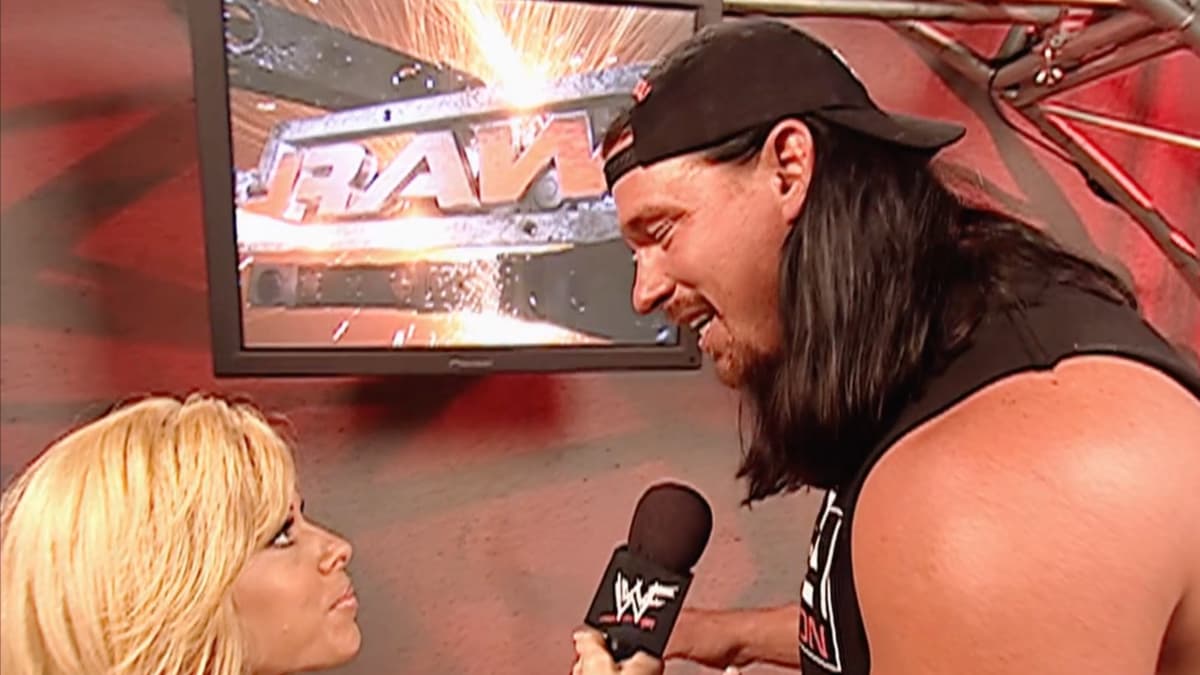
Bradshaw was one of those wrestlers and the man with big long black hair and a goatee went solo after he was drafted to Monday Night Raw, while APA tag team partner Faarooq remained on SmackDown.
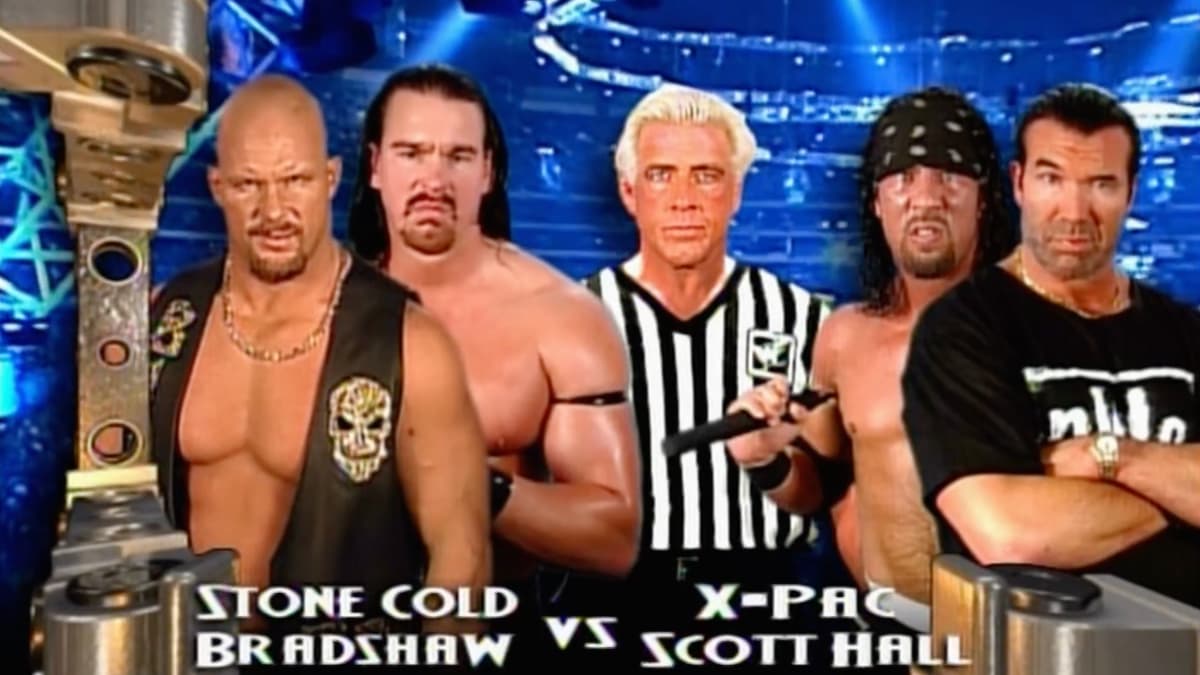
For a few weeks after the brand split, Bradshaw rubbed shoulders with the likes of Steve Austin and Ric Flair in a main event storyline with the New World Order, with the match graphic of Austin and Bradshaw teaming together against the nWo with Ric Flair as special guest referee going viral on social media about once a month.
It wasn’t so surprising to see the company try to elevate Bradshaw as he was close to management, had the size that WWE wanted from their headliners, and the audience were familiar with him after six years on television.
The Bradshaw singles push was an experiment that didn’t quite take, however, and before long he was back in the middle of the pack, primarily scrapping over the Hardcore Title before a reunion with Faarooq.
Ultimately, it would take until 2004 and a repackage into John Bradshaw Layfield that saw JBL cement himself as a WWE main eventer.
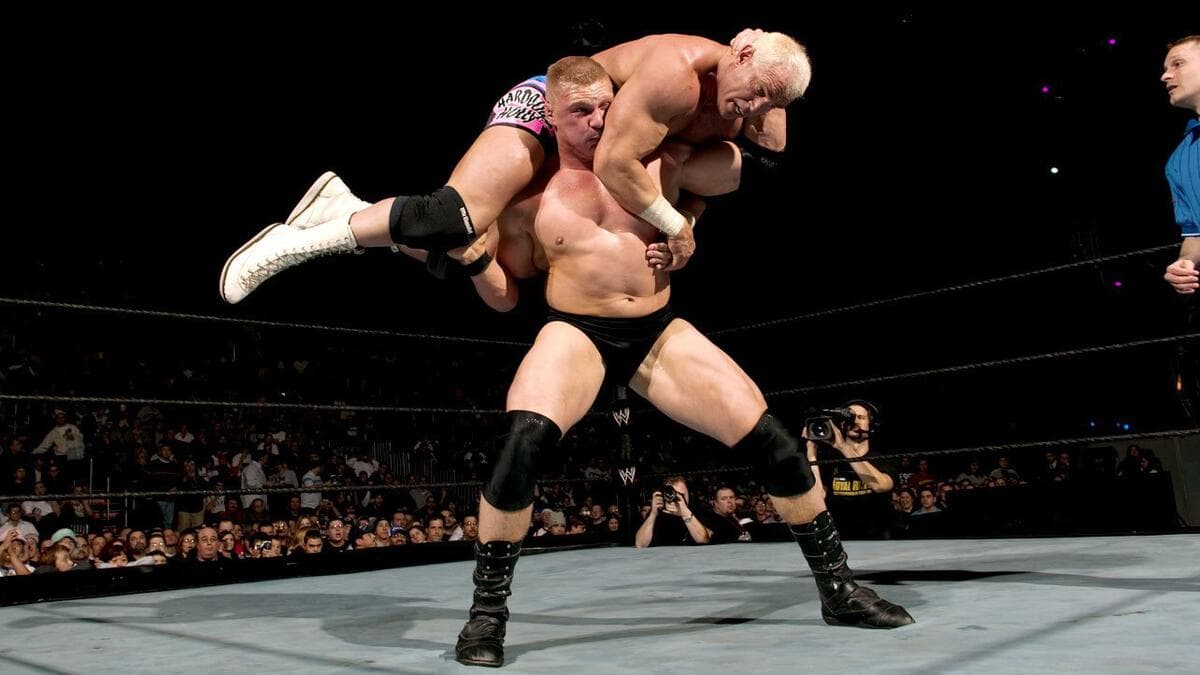
Hardcore Holly had a very believable reason for having issues with Brock Lesnar after WWE’s Next Big Thing accidentally broke Holly’s neck with a powerbomb gone wrong during a SmackDown match.
After a year on the shelf, Holly returned as a man possessed as he tried to maim Brock at every turn and WWE booked the former Thurman Plugg in victories over monsters like A-Train, Matt Morgan and The Big Show to try and demonstrate that he was a credible challenger to the then-WWE Champion.
It was the biggest push of Holly’s decade-long WWE career and fans were reasonably invested in seeing him and Lesnar go at it one-on-one.
When the time for the big grudge match at the 2004 Royal Rumble came, however, they had a significant amount of allotted time shaved off their match in order for the World Heavyweight Title showdown between Triple H and Shawn Michaels to have more.
The upshot was that Brock beat Holly clean in around six minutes, after which Bob slid right back into the mid-card, working matches for weekend show Velocity and missing out on the WrestleMania XX card entirely.
After being rejected for season two of Tough Enough by a thoroughly unimpressed Kevin Dunn, John Hennigan came back to not only compete in the show’s third season, but bag a WWE contract by ending up as co-winner alongside Matt Cappotelli.
After honing his skills in WWE developmental territory Ohio Valley Wrestling for over a year, Hennigan was called up to the main roster.
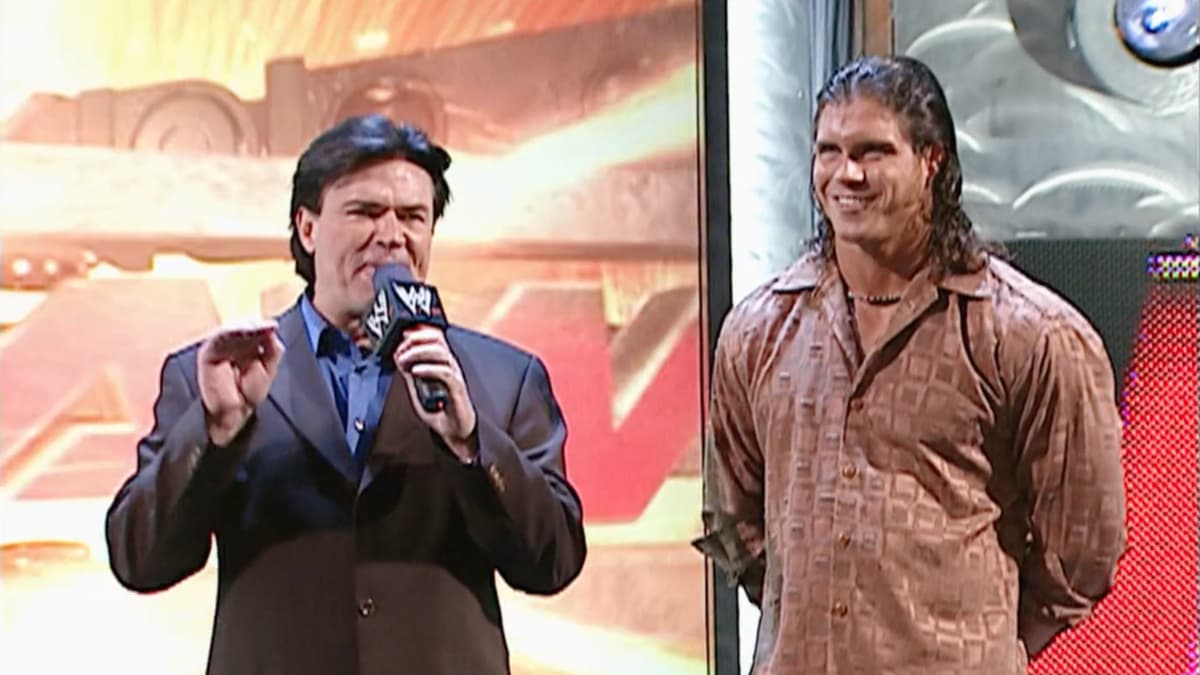
Debuting on Raw, he was dubbed ‘Johnny Blaze’ and given the gimmick of being red brand General Manager Eric Bischoff’s assistant/apprentice. A week later, he was renamed ‘Johnny Spade’. A week after that, his name was changed once more to ‘Johnny Nitro’.
Being aligned with Bischoff was a decent role for a newcomer and Nitro was a regular presence at Raw for a couple of months. During that time, however, he wrestled just two televised matches. In the first, he was almost immediately eliminated from a battle royal by Kane and, in the second, he did the job to Eugene in a match where his job was at stake.
Evidently, WWE didn’t believe he was ready for primetime and he was sent back to OVW, later re-emerging as a member of MNM with Joey Mercury and Melina.
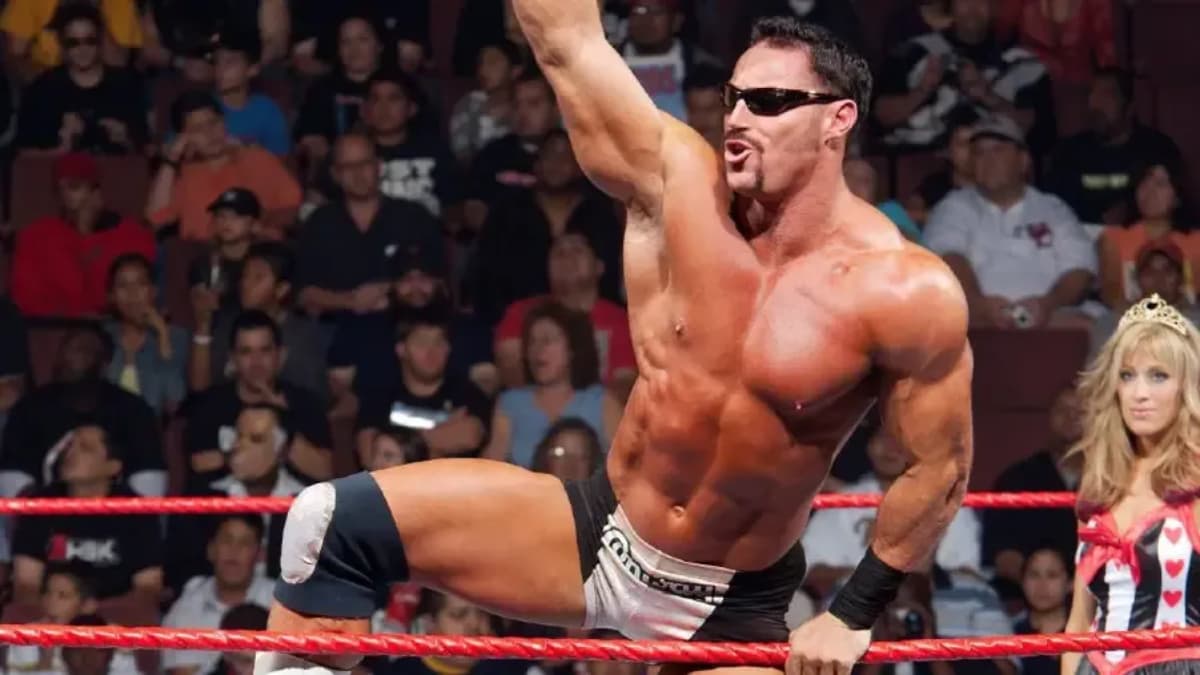
After a couple of years working hard as the ring general of La Resistance, the massively-muscled Rob Conway was finally given a shot at singles glory.
Dubbing himself ‘The Con Man’, the former WWE Tag Team Champion looked like an even-buffer Buff Bagwell as he cockily put away Val Venis, Viscera, The Hurricane, Matt Hardy, and Shelton Benjamin in the summer of 2005.
He had a new look, a new attitude and new, amazing, Randy Newman-inspired entrance music. After establishing his winning streak, The Con Man began targeting Eugene and the legends he idolised, such as Doink the Clown, Greg Valentine and Koko B. Ware.
This crusade didn’t exactly propel him up the card like it had done for Randy Orton previously and WWE ended up giving up on Conway’s push fairly quickly.
It was clear that the company didn’t see a future in it after he did a job to Jimmy Snuka at Taboo Tuesday and then another to Intercontinental Champion Ric Flair the next night on Raw. Soon after, Conway found himself serving as a jobber on Sunday Night Heat.
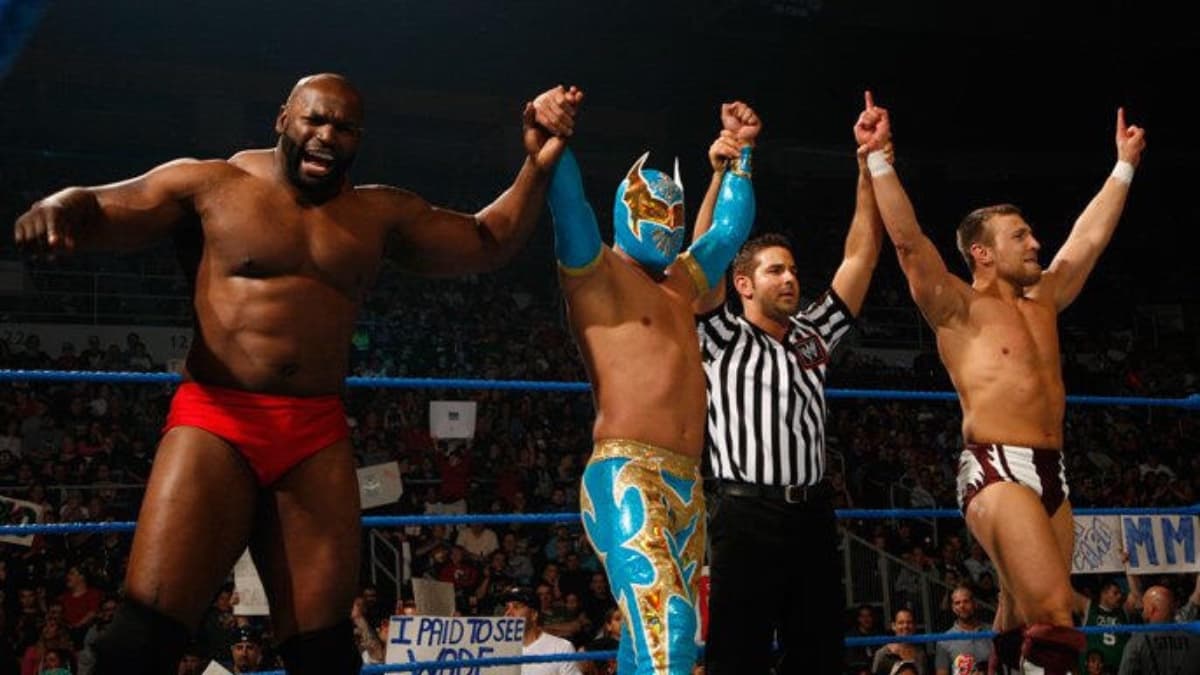
WWE thought their search for the ‘next Rey Mysterio’ was over when they signed Lucha Libre superstar Mistico in early 2011.
The awe-inspiring high-flier had been the biggest star in Mexico for the best part of the previous decade and came to WWE with a reputation as being not just a box-office draw but a dynamic in-ring worker, too.
Renamed Sin Cara, the masked man made his debut on the post-WrestleMania XXVII edition of Raw by saving Daniel Bryan from a Sheamus beatdown.
With his elaborate entrance and the way that the commentators gushed about his talent, it was clear that WWE were pushing the newcomer as one of their next big stars. Just two weeks into his WWE run, the former Mistico was teaming with John Cena to beat WWE Champion The Miz and Alex Riley in the main event of WWE Raw.
Sin Cara’s steady push continued until the Money in the Bank pay-per-view, where he was written out of storylines after violating the WWE Wellness Policy.
The legendary wrestler never could regain that early momentum after he returned from his 30-day suspension and he would eventually exit WWE in January 2014.
Fortunately, things ended happily for Mistico when he resumed using that name in CMLL in 2021, and he is the promotion’s top star once again as of the time of writing.
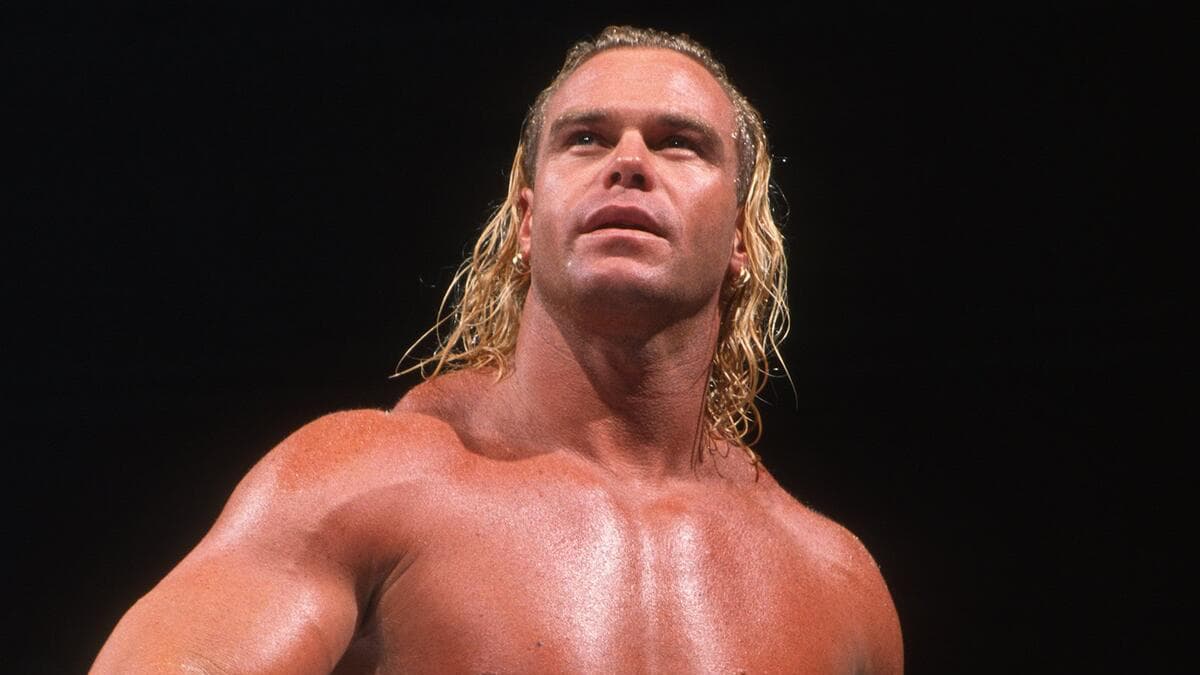
During his career, Billy Gunn was the perfect tag team wrestler but his singles runs never worked out in WWE.
The company tried to push Daddy Ass as a singles act on numerous occasions and each one was a resounding failure.
After splitting off from New Age Outlaws partner Road Dogg in the summer of 1999, Mr. Ass won the King of the Ring tournament and feuded with The Rock, which led to a match at SummerSlam. Gunn lost, fell down the pecking order and, a month later, was back teaming with Brian James.
A year later, Billy returned from a shoulder injury as ‘The One’ and was given a renewed push as a singles wrestler, beating Eddie Guerrero for the Intercontinental Title, a belt he held for 16 days before dropping it to Chris Benoit in a match that seemed to convince WWE that Gunn was, perhaps, not quite ‘the one’.
Most of the rest of his WWE run saw him in the familiar role as a mid-card tag guy, teaming with the likes of Big Show, Chuck Palumbo and Hardcore Holly.
Much like Billy Gunn, WWE’s Albert was best utilised as a supporting player in a tag team or stable. For the first few years of his WWE career, that was the big man’s role, as he shared the spotlight with Droz, Test, the rest of X-Factor and Scotty 2 Hotty.
Rebranded A-Train and told to go it alone, his first proper singles push didn’t work as WWE had hoped and he was cut in November of 2004. For the best part of the next decade, Albert, as Giant Bernard, enhanced his reputation as a worker in Japan.
After almost eight years plying his trade overseas, Matt Bloom was offered another shot at WWE stardom, this time as Lord Tensai, later shortened to just Tensai.
After the vignette treatment, Tensai was given a couple of squashes over lower-level talent before, in just his third televised match, he beat John Cena in an Extreme Rules match on Raw.
He followed it up with more wins against R-Truth and CM Punk, before he did the honours for Cena, kicking off a pronounced losing streak. By the start of 2013, the man who had beaten Big Match John on the flagship show had been reduced to dancing with Brodus Clay and the Funkadactyls.
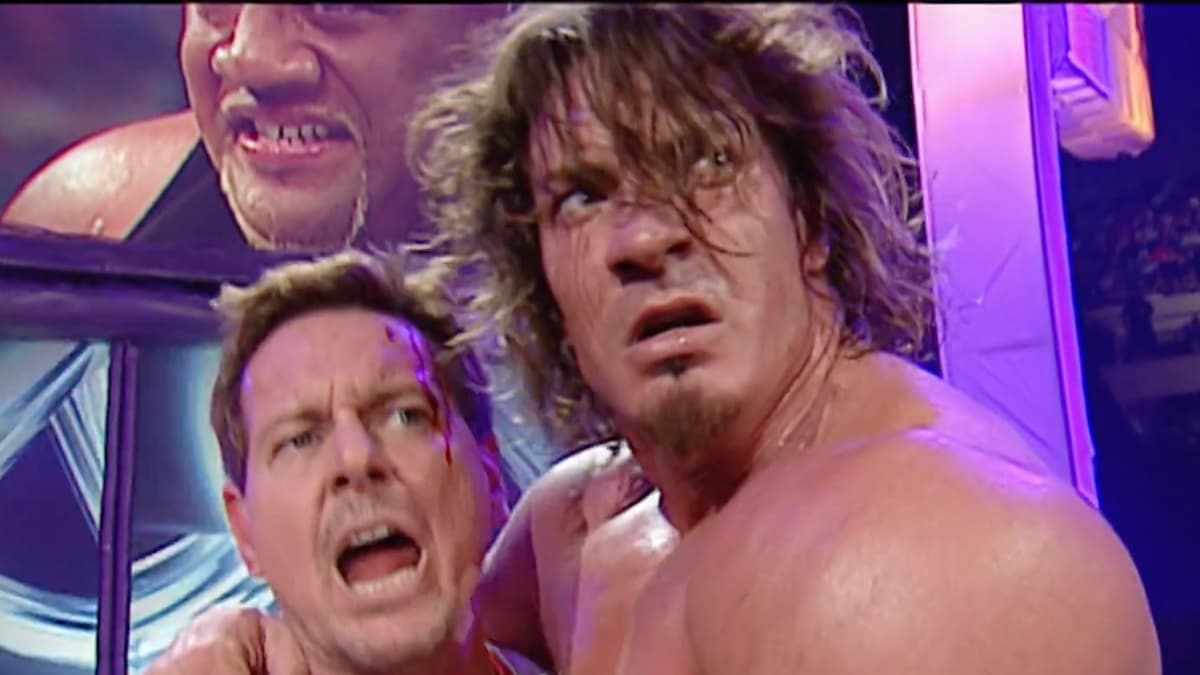
There wasn’t much to cheer about during the final days of World Championship Wrestling but a new crop of young, up-and-coming talent loaded with potential did provide some bright moments.
Sean O’Haire was chief among that group, but after a brief run alongside fellow WCW World Tag Team Champion Chuck Palumbo at the start of the Invasion storyline, WWE decided that the Power Plant graduate didn’t know how to work and shipped him off to OVW.
O’Haire emerged from his time in developmental with a new Devil’s Advocate gimmick, which saw him encourage WWE fans and stars alike to give in to their sinful impulses.
It was a novel character and it looked like WWE were serious about pushing O’Haire when they paired him up with the recently-returned Roddy Piper and gave him victories over stars including Rikishi, Chris Benoit, Eddie Guerrero and Mr. America.
When Piper was axed due to the controversy over an interview he had given to HBO, however, O’Haire’s push ended with a thud and he spent the rest of his time in WWE wrestling nothing matches on Velocity before his inevitable release.
Nathan Jones was a 6 ft 11 in, 350 lb mountain of a man who served time in prison for armed robbery and then competed in tough man and strongman contests after getting out of prison. The future Rictus Erectus also plied his hand in MMA and worked as a bodyguard before he found his way into pro wrestling and was quickly signed by WWE.
With a built-in backstory and a look made for TV, WWE gave Jones a prime spot and, after being built up via a series of vignettes, he debuted as the protégé of The Undertaker.
Aligned with The Deadman from the get-go, Jones was due to compete at WrestleMania XIX in what would have been his televised debut match, but he was taken out of the contest via a pre-recorded backstage sneak attack and only came out for the finish.
It was obvious that Jones, as impressive of a physical specimen as he was, didn’t have his ring work up to par and WWE sent him back to OVW. He returned to the main roster for another brief run later in the year, but cracked under the pressure and basically quit the business.
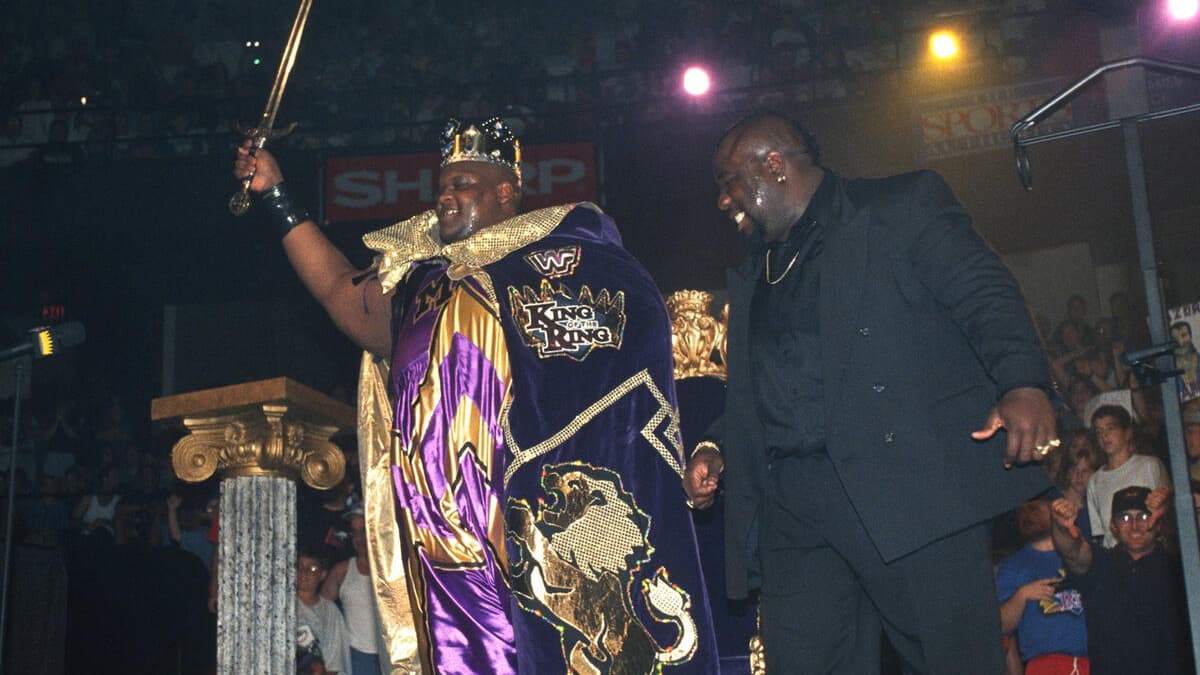
Once upon a time, when it came to your chances of a push in WWE, size very much mattered.
The summer of 1995 saw WWE experiencing some pretty desperate times as far as creative and business were concerned, a desperation that was summed up by the decision to push Mabel to the top.
The Men on a Mission member turned heel and won the 1995 King of the Ring tournament, becoming King Mabel. Pushed as WWE’s top heel, Mabel started racking up victories and was booked against WWE Champion Diesel in the main event of SummerSlam.
He did the job to Big Daddy Cool, recklessly injuring the champ during the match. Still, he retained a good position on the card and moved onto a feud with The Undertaker. Then he injured The Undertaker, which pretty much meant that his days in the main event mix were numbered.
After putting The Undertaker over, the push was emphatically stopped and Mabel was let go. He would receive pushes again as Viscera and Big Daddy V, but never again at the same level as King Mabel.