Black Saturday - An Infamous Day In Pro Wrestling History
The true incredible story of Black Saturday

Aug 6, 2026

The true incredible story of Black Saturday
Aug 6, 2026
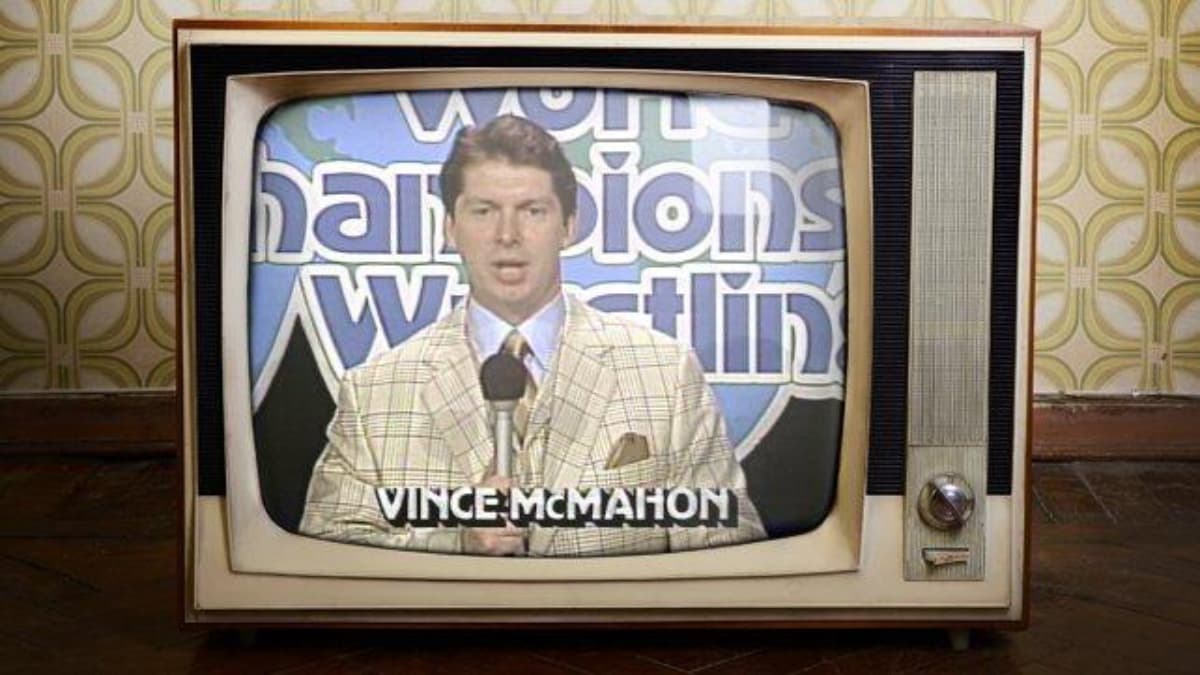
When Vince McMahon assumed full control of the World Wrestling Federation in 1982, he had little interest in abiding by the boundaries of the North American wrestling territory system that has been in place for decades.
McMahon wanted to expand the WWF across the continent and the prospect of cable television provided him with the avenue to deliver his New York-style product to fans outside the WWF’s base in the North East of the United States.
Vince McMahon Jr. found many welcome homes for the WWF, but he wasn’t content with just that, and McMahon wanted to be the only pro wrestling promotion standing in the United States and Canada.
Through ruthless means, he would look to bring about his vision with wanton disregard for any destruction he caused along the way.
Professional wrestling had long made use of television to aid its bigger endeavours. Even in the years before pay-per-view became king, the function of TV wrestling was to give viewers a small taste of the larger meal. Through simple angles, as well as matches that didn't give away too much and a steady amount of hype, the television product was designed to drive fans to buy tickets to the big monthly house show, where all the major stars would be competing.
Professional wrestling had aired on all major American networks during the "golden age" of the 1950s, but the inevitable decline in popularity led to relegation, pushing wrestling to lower-frequency stations in a territory's local market. For promoters, this wasn't the worst possible scenario as these independent stations needed cheap programming to fill the hours and studio wrestling wasn't all that expensive to produce. All a territory needed was that local forum to tell fans when and where the major cards would take place, as well as a means to entice them with a few bites of the overall product.
The world of TV was ever expanding, though. By 1968, 6.5 per cent of Americans were wired for cable television and subscribers had only increased by 1 per cent a decade later. Majorly helping with the growth of cable television in the late 1970s, however, was the national expansion of an Atlanta-based independent TV station, owned by radio and TV magnate Ted Turner. Previously known as WTCG on a local level, the call letters were changed to WTBS in 1976, when the Atlanta feed was beamed out to an additional 24,000 TV viewers in Midwestern and Southeastern United States.
This made Georgia Championship Wrestling, which had aired on WTCG since 1972, the first wrestling organisation to receive a national cable TV contract. This, inevitably, caused friction with other promoters who felt that Georgia owner Jim Barnett was trying to supersede the National Wrestling Alliance by taking his territory national.
While Barnett disputed that idea, the fact remained that Turner's ambitious move to create a national "superstation" out of his local TV outlet demonstrated just how awing the power of cable could be to those on the outside looking in.
One individual primed to make use of this growing field of cable TV was Vince McMahon. In June of 1982, McMahon purchased all of the WWF's ownership stock for himself, buying out stockholders Gorilla Monsoon, Arnold Skaaland, company secretary Phil Zacko, and his own father, Vincent J. McMahon. This was hardly a low-risk venture on the younger McMahon’s part as if he defaulted on any promised payouts totalling $1 million to the former stockholders over the next year, McMahon would forfeit his shares back to the four men.
At the beginning of 1983, McMahon began a westward expansion of WWF television into the state of Ohio, securing a spot on station WAKR-23 in Akron. Soon after, McMahon started running his own events in the Buckeye State. This was significant because Georgia promoter Ole Anderson ran Ohio with some regularity and he hadn't given McMahon, whose WWF still operated under the NWA umbrella at that time, any sort of blessing to tread upon his domain.
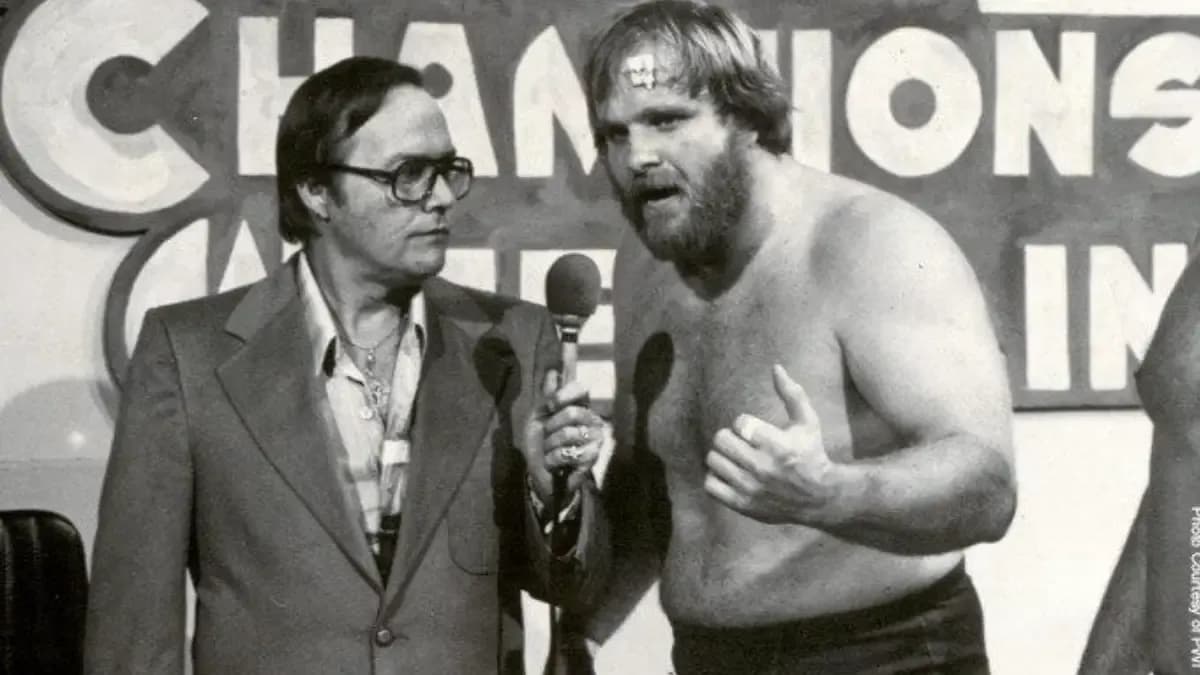
Anderson was irked by McMahon blatantly ignoring the territorial boundaries and his anger came spilling out in August 1983 at the annual National Wrestling Alliance convention in Las Vegas. In a room filled with NWA promoters and territorial stars, Anderson raged at McMahon, furious over Vince's push onto his turf. He threatened to retaliate, vowing to bring his own cards to McMahon's Pennsylvania strongholds.
As Bret Hart (who attended the meeting along with father Stu) recalled: "Everyone started arguing, and there were cries of order. Then Vince stood up in the midst of the commotion and simply walked out. In that moment, I was witness to the beginning of the end of promoters such as my dad and regional territories such as Stampede - though none of us recognized that at the time."
The bigger bombshell was that at that meeting, McMahon withdrew the WWF from the National Wrestling Alliance, meaning he had even less loyalty to Anderson and the other promoters. Also resigning was the aforementioned Jim Barnett, who was one of the stockholders of Georgia Championship Wrestling.
Barnett had been forced out of Georgia after falling out with Ole Anderson behind the scenes over several matters, including Anderson accusing Barnett of stealing from the company. Barnett still maintained his percentage of ownership in Georgia, but in the meantime he began assisting the WWF's expansion, albeit quietly.
With his help, McMahon gained local TV clearance in Cincinnati and Dayton, Ohio, soon followed as McMahon and Barnett convinced the local station to cancel Georgia’s World Championship Wrestling programme in favour of the WWF's syndicated product.
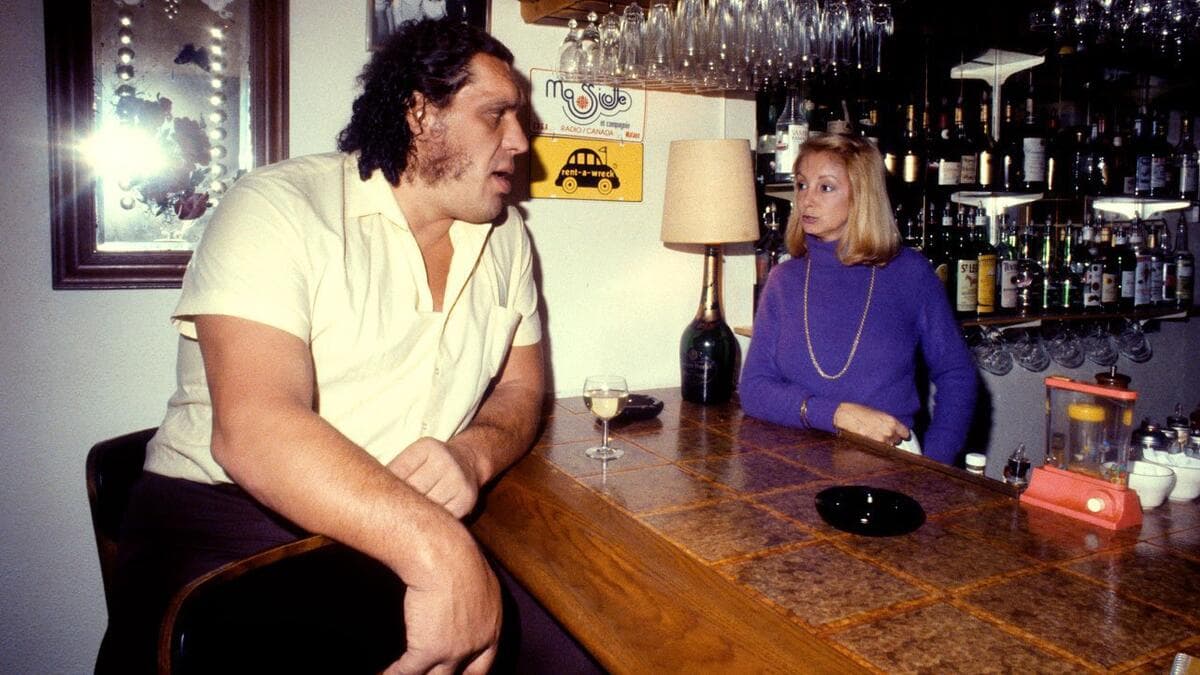
Anderson also lost his hold on Dayton's Hara Arena, which signed an exclusive deal with the WWF. Shortly thereafter, McMahon began running Cincinnati and Dayton, with the renowned Andre the Giant as headliner for those early forays.
Anderson wasn't the only promoter that Vince McMahon was in conflict with, however, as in August 1983, the Texas-based Southwest Championship Wrestling lost their Sunday morning time slot on the USA Network, in part due to the inability of the territory to make their weekly payments to stay on the air, and also partly due to an especially bloody match between Tully Blanchard and Bob Sweetan that the network refused to air.
Vince McMahon began his long connection with the USA Network by swooping in and acquiring the Sunday morning time slot for his WWF, with the company soon presenting All American Wrestling on the network.
Though the WWF output on USA Network would soon grow to include the variety series Tuesday Night Titans, McMahon wasn't content with just one cable home for his product and he approached Ted Turner.
McMahon made an outright offer to Turner to buy World Championship Wrestling's Saturday night two-hour time slot on WTBS but McMahon's attempt at monopolising pro wrestling on cable hit a major snag when Turner rejected his offer.
Turner was fiercely loyal to the wrestling on his network, especially as Georgia Championship Wrestling had been there since 1972 and remained a firm anchor during his gamble to take his regional network national. A faithful Turner firmly said no to Hulk Hogan, Andre the Giant, "Rowdy" Roddy Piper, and the rest of McMahon's prismatic showcase.
Vince McMahon may not have been able to purchase the time slot from Ted Turner, who was loyal to his Georgia territory, but what if McMahon could acquire the territory itself?
Fortunately for McMahon, there was major dysfunction behind the scenes in GCW, as Ole Anderson was not well-liked by his peers. Brothers Jack and Gerald Brisco owned stakes in the Georgia territory, and they had no love lost for Anderson. Gerald, in particular, noted that despite Georgia making good money from their own expansion into outside markets, he and Jack weren't seeing much of the windfall. Additionally, Anderson's general manner of booking and operating the territory alienated his fellow owners.
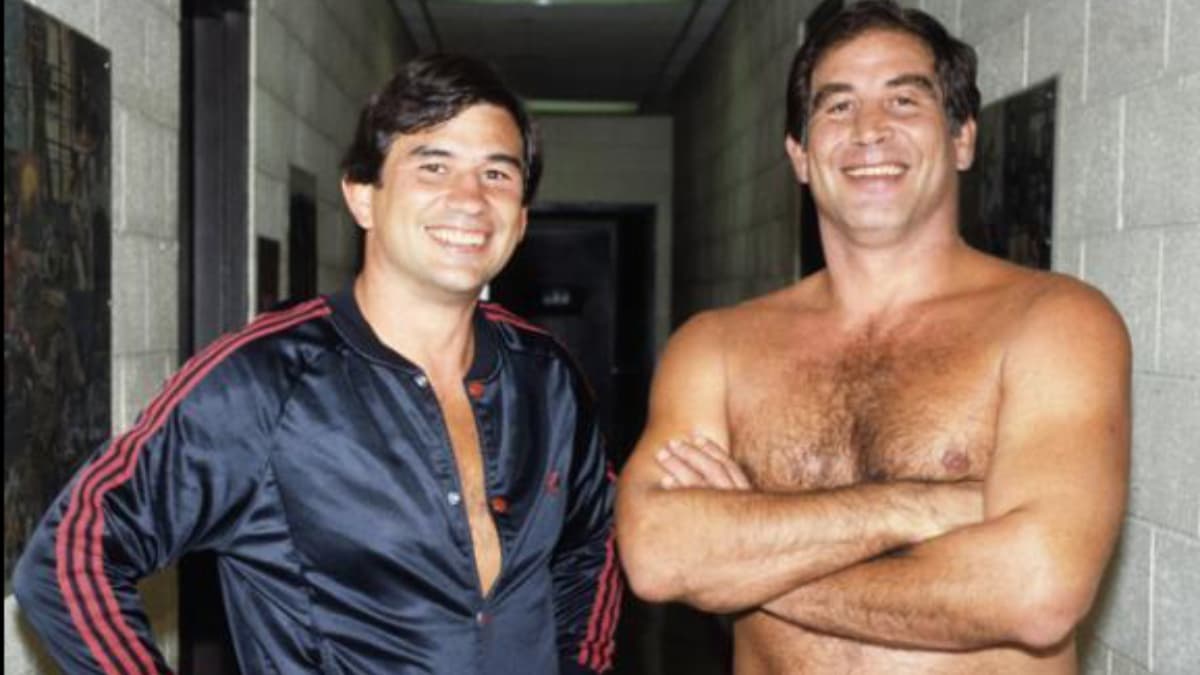
In the spring of 1984, after McMahon's attempt at muscling onto WTBS failed, the WWF boss was contacted by Jack Brisco over apparently unrelated matters. Before long, the enterprising McMahon began talking business and was quite direct, asking if Jack and his brother would be interested in selling their shares of Georgia to him.
That April, with Anderson tending to family business after the death of his mother, McMahon and his attorneys met with the Briscos and Barnett at a hotel in Atlanta. According to the book Sex, Lies, and Headlocks, McMahon purchased their collective shares for $900,000, giving himself majority interest in the Georgia territory.
Upon learning the news, Ole Anderson did what he could to try and legally block the sale, believing that because neither the Briscos nor Barnett offered to first sell to another presiding stockholder, they weren't permitted to sell their stock to an outsider. Where Anderson was hamstrung was that a majority of the stockholders agreed to rescind that part of the buy-sell agreement, thus validating their sale of majority interest to McMahon.
In the course of legal proceedings, an irate Anderson apparently turned down conciliatory offers from McMahon to work for him. At one juncture, Anderson recalled Vince walking up to him with wife Linda for a quick hello, to which Anderson gruffly said, "F*ck you" to each of them. Likely furious over the remark towards his wife, McMahon told Anderson that he'd never work again.
Once all of Anderson's legal options were exhausted, July 7, 1984 turned out to be the date of the final episode of World Championship Wrestling as anyone recognised it. Four days later, the contracts were finalised and Vince McMahon absorbed the Georgia territory and what he coveted most in their cable time slot.
On Saturday, July 14, 1984, the familiar face of Freddie Miller opened a World Championship Wrestling broadcast unlike any other, though the home audience didn’t have a clue what awaited them.
In his second sentence, a cheery Miller suddenly stated, "On behalf of WTBS, it's a pleasure to welcome the World Wrestling Federation."
As Georgia fans at home tried to register that confusing sentence, Miller extolled the virtues of the WWF product, before handing the microphone over to Vince McMahon, who casually strolled into the frame.
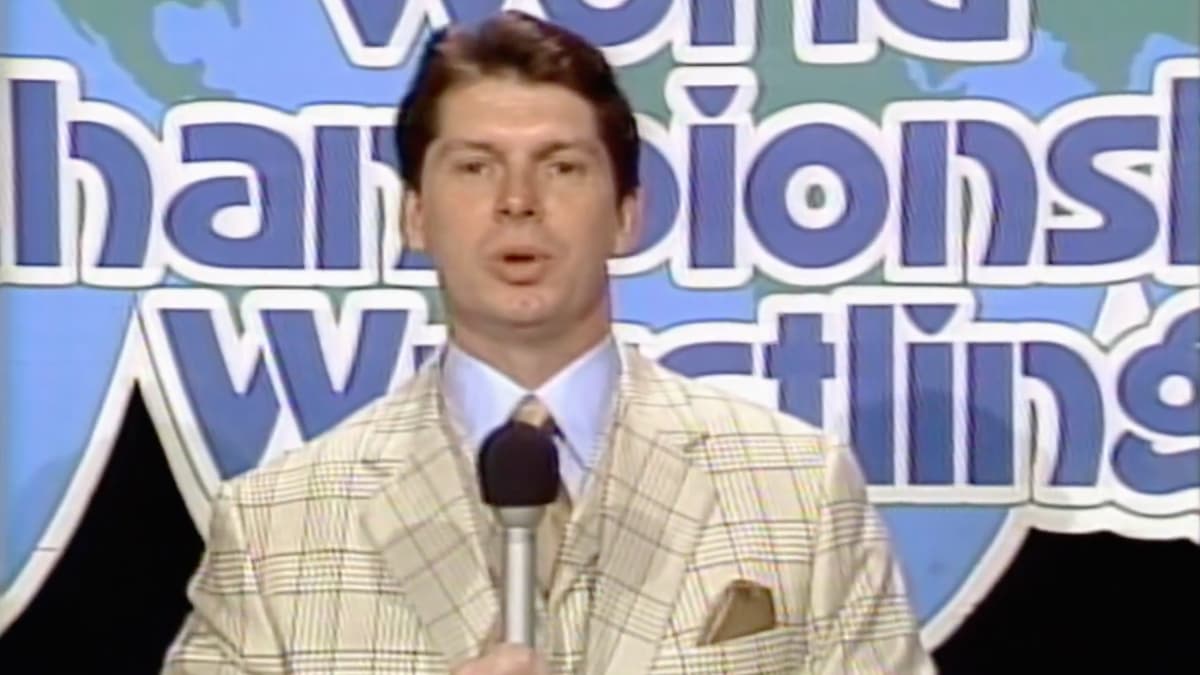
Standing in front of the flattened globe logo that was a World Championship Wrestling staple, McMahon looked into the camera lens and promised that the WWF would deliver the most exciting product possible, while running down the gaggle of stars fans were going to be seeing.
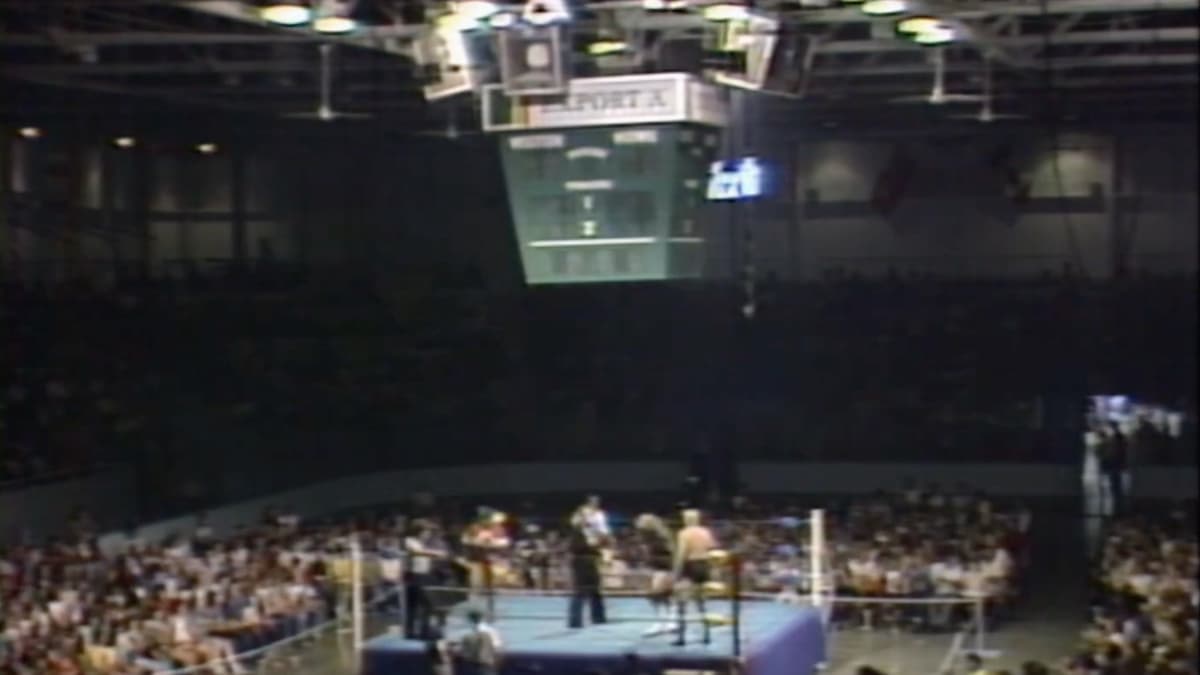
The static one-shot of McMahon seemed to go on forever before he finally threw things to a taped bout from Brantford, Ontario, pitting WWE Tag Team Champions Adrian Adonis and Dick Murdoch against the enhancement talent duo of SD Jones and Nick DiCarlo.
It didn't take fans of the Georgia product long to realise that this wasn't the wrestling they had come to love. Whereas their wrestling was all about grit, technical skill, and a permeating sense of realism, the New York style was kitschier than they cared for. The emphasis on over-the-top characters was an affront to the workmanlike "rasslin" that ruled the time slot for over a decade.
Faithful fans of the traditional Saturday night product were outraged, and they flooded WTBS with a deluge of angry phone calls and letters, demanding the superstation bring back their preferred wrestling show.
That wasn't going to be easy, though. Vince McMahon owned the territory through the consortium of ownership stock he had purchased. It wasn't like Ole Anderson's show got bumped by Turner in favour of McMahon's product and fans wanted Turner to see the error of his ways. There was no show to give the time slot back to – this was the show.
Ted Turner had his own reasons to be unhappy with Vince McMahon, however. When Vince acquired the Georgia territory, he and Turner came to an agreement that he would present live studio wrestling from Atlanta, the way Anderson and those before him had. Instead, over the months ahead, McMahon used the World Championship Wrestling time slot to air pre-recorded matches from the WWF's tapings and live events.
As Tim Hornbaker wrote in Death of the Territories: "WWF officials believed the background crowds and noise from places like New York City, Philadelphia, and Minneapolis were important to illustrate that their promotion was indeed ‘big time.’”
While McMahon may have reneged on running studio tapings in Atlanta, the WWF did bring in a number of Georgia wrestling regulars for the TBS show, including the Briscos and Mr. Wrestling II, among others. Eventually, the WWF did begin mixing in some studio squash matches from Atlanta, but it wasn't enough to satiate a fed up Turner.
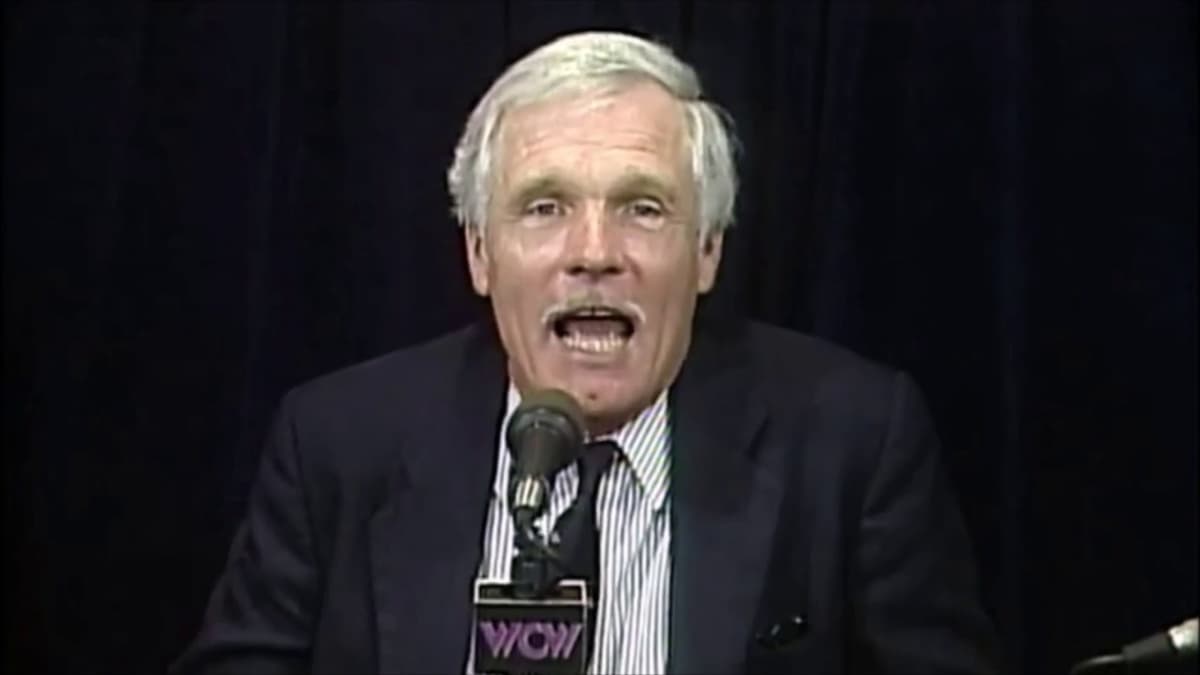
Each man believed the show should be done a certain way, and Turner felt that McMahon wasn't willing to accommodate the conventions of the time slot or its loyal audience.
That audience wasn't loyal to the new guy, either. Ratings for World Championship Wrestling declined under McMahon's watch, another issue that understandably annoyed Turner.
McMahon was quite privy to the complaints from the TBS viewers but he felt, if given time, the WWF style and production could win the audience back. Turner wasn't going to give McMahon that time. Instead, he was going to give time to others.
Ted Turner may not have had the power to change Vince McMahon's show without outright cancelling it, but there was a more creative solution in the offing. Within months of the time slot takeover, Turner entered into negotiations with Bill Watts of Mid-South Wrestling. The two struck a deal for Watts to air his wrestling on TBS on Sunday afternoons.
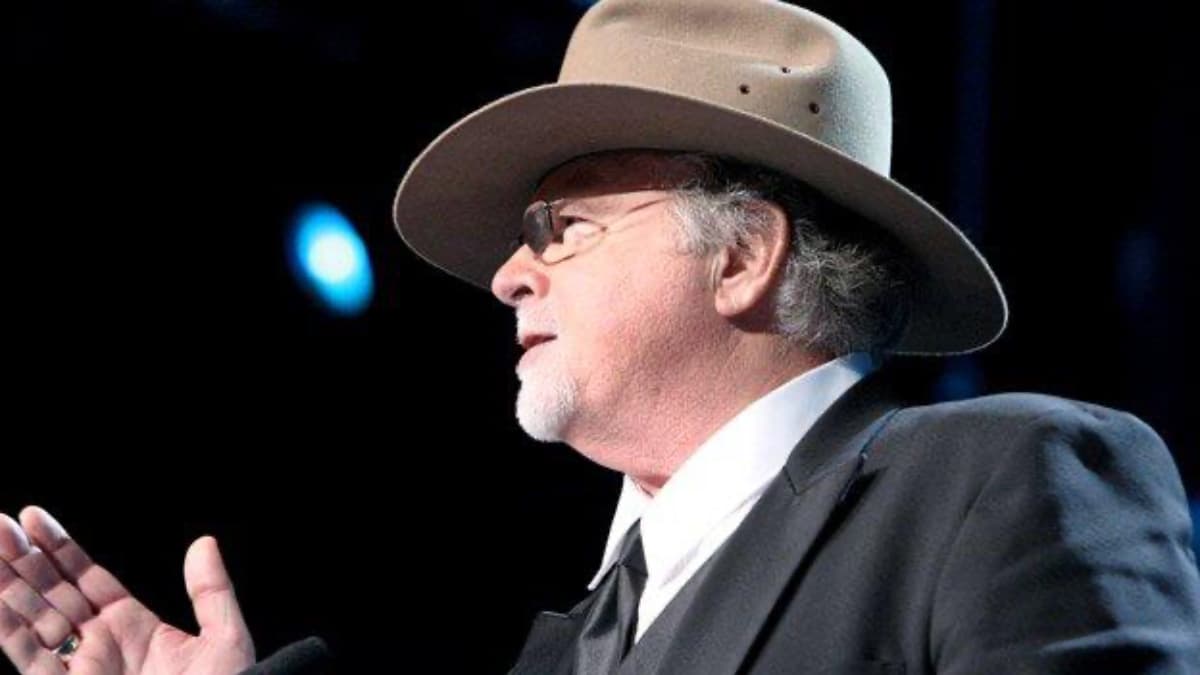
Meanwhile, Ole Anderson made his way back into the promotional game, founding the similarly named Championship Wrestling from Georgia as the continuation of his bought-off territory. Turner granted Anderson a Saturday morning time slot on TBS, with cherished announcer Gordon Solie back on commentary.
Vince McMahon wasn't happy with these developments - not only because he no longer had the exclusivity he thought he'd bought into, but because both Watts and Anderson's programmes began beating his WTBS product in the ratings.
Vince McMahon had other problems, however. The rapid expansion, talent acquisitions, and ambitious goals were taking a heavy financial toll on the WWF, even if Hulkamania was running wild by this point. The WWF had lost money in 1984, and McMahon knew that if the first WrestleMania in 1985 bombed, he would likely be ruined.
McMahon needed money, and so he bit the bullet and sold his WTBS time slot. With the help of Barnett, McMahon entered negotiations with Carolina promoter Jim Crockett Jr., selling the time slots and production contracts to Crockett for $1 million. The legend is that after the sale was completed, a bitter McMahon rasped to Crockett, "You'll choke on that million."
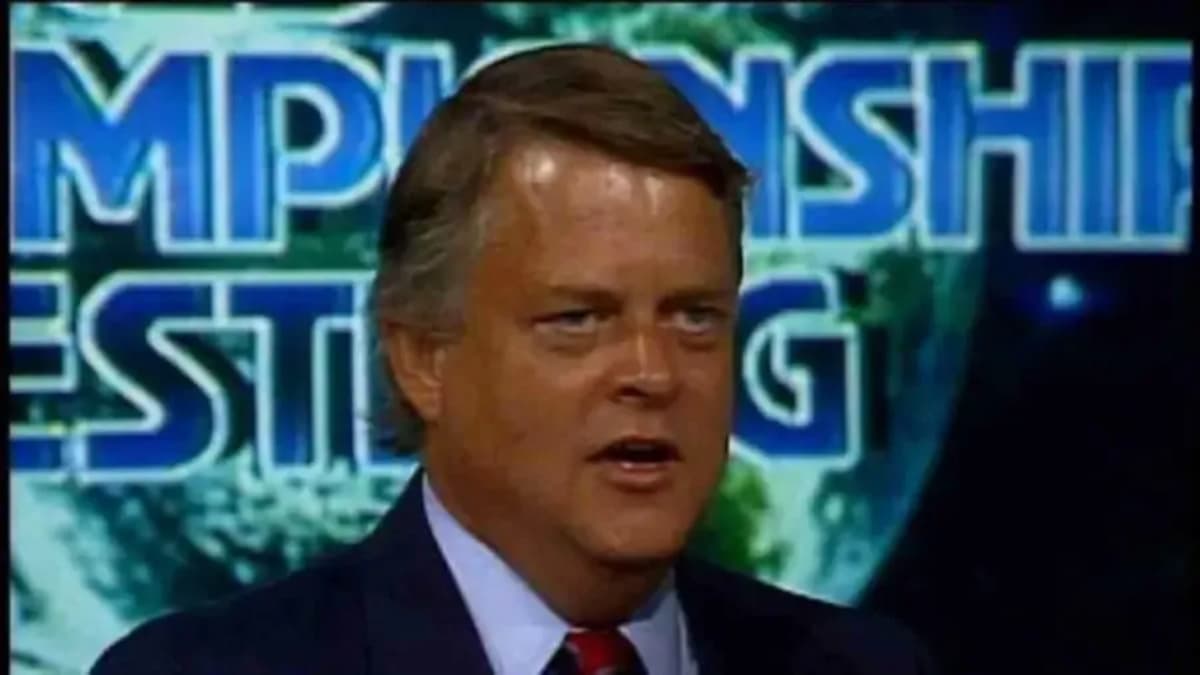
The eventual success of that first WrestleMania, along with Crockett's payment and other helpful payments McMahon received, helped alleviate the WWF's financial uncertainty. By this point, the WWF was airing virtually nationally in syndication, and now had a third USA Network program following the addition of Prime Time Wrestling earlier in 1985. There were also tie-ins with the immensely popular MTV that aided with the WWF's cultural growth, and a deal to begin running Saturday Night's Main Event on NBC was coming up.
He may no longer have had the TBS time slot to use as an outpost, but it wasn’t like McMahon needed it. The WWF were about to reach heights no singular wrestling entity had ever seen, TBS programme or no TBS programme.
But that didn't end the bitterness between Vince McMahon and Ted Turner. McMahon's failed bid to buy the time slot outright led to his creative buy-in as showrunner. When McMahon refused to acquiesce to the tastes of the audience or Turner himself, especially when he reneged on a content agreement, Turner reminded Vince that he was just one of many fish in the promotional sea when he surrounded him with his rivals. After selling off the now-burdensome slot to another rival, McMahon may have minimised the external damage, but his ego took a bruising.
Turner and McMahon walked away from each other feeling frostier towards each other than when they first talked business. Things got even icier three years later, when circumstances of a wrestling war led to Turner buying his way deeper into the pro wrestling business and funding what quickly became the World Wrestling Federation’s main competition, World Championship Wrestling.