The Creation & Origins Of The WWE Royal Rumble
How the Royal Rumble ended up being created in the 1980s

Jan 28, 2026

How the Royal Rumble ended up being created in the 1980s
Jan 28, 2026
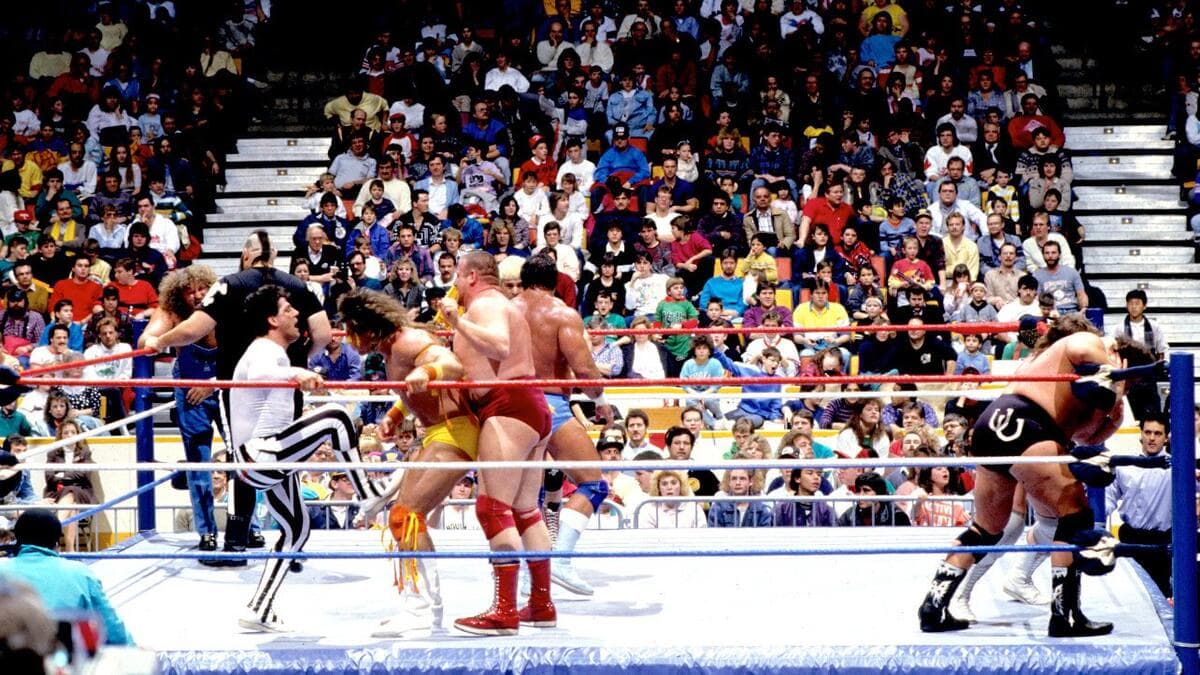
The Royal Rumble is, for many fans, the second-most anticipated wrestling event of the year, partially because it sets the table for the most anticipated wrestling event of the year in WrestleMania. Its immense popularity is also due to the endless novelty of the namesake match.
For over three decades, WWE fans have set their sights on that week out from the Super Bowl, where the wrestling giant cobbles together 30 hungry combatants for the ultimate battle royal, with the winner earning a shot at WrestleMania immortality. The Royal Rumble as we've come to know it is wrestling mayhem and drama idealised and is perhaps the greatest gimmick match ever invented.
Upon its conception, however, the Royal Rumble experienced beginnings that were far more humble, and it's future was far from assured.
No mention of the Royal Rumble's origin is complete without discussing its creator, Pat Patterson. Upon Patterson's death in December 2020, fans and historians alike recalled his numerous contributions to the industry, and his creation of the Rumble was chief among them.
The inspiration for the Royal Rumble came from Patterson's time spent in Roy Shire's Big Time Wrestling in San Francisco. Beginning in the city's Cow Palace in 1967, Shire began promoting the annual Cow Palace Battle Royal, attracting top names from other territories to flesh out what became an all-star attraction.
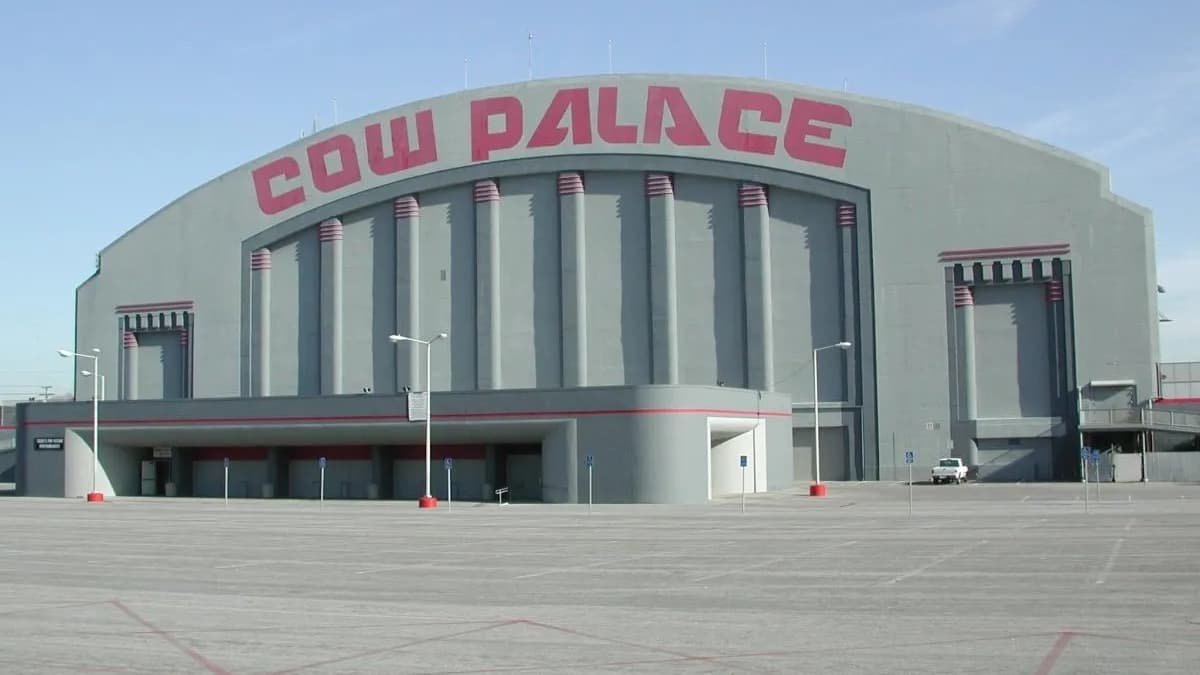
Shire had been inspired by a successful battle royal staged in Hawaii by promoter Ed Francis in 1965, and went on to make the Cow Palace Battle Royal one of Big Time's cornerstones. The event became a January staple beginning in 1968 and ran through 1981, with notable winners including Patterson himself, Don Muraco, "High Chief" Peter Maivia, and Andre the Giant.
Patterson won the final Cow Palace Battle Royal in 1981, but he was more than just a participant in the prior years. Working alongside Shire, Patterson helped lay out the structure of some of those brawls, demonstrating the aptitude that made him an indispensable booker and agent for WWE in the coming years.
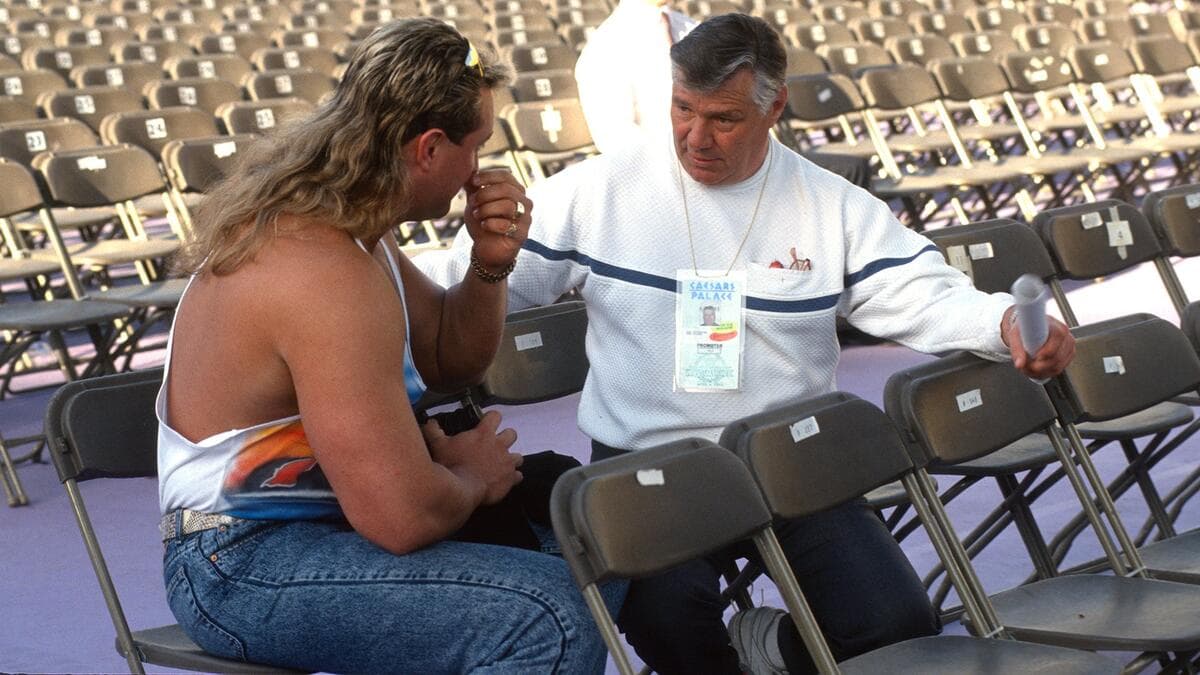
During his early administrative years with Vince McMahon, Patterson wanted to bring a special battle royal concept to WWE, but change it up just enough to make it a unique concept. That's when he thought of the idea of, instead of having all the participants in the ring to begin the match, begin with only two wrestlers, and then space out the remaining contestants through timed intervals, the order of which would be determined by a kayfabe drawing of positional numbers.
That has been the formula of every Royal Rumble ever since the match first hit the airwaves in 1988. However, the very first Royal Rumble actually took place in 1987, and it wasn’t very good.
Sunday, October 4, 1987 was not the date of a major pay-per-view, nor a historic title change. It was the occasion of a mostly-innocuous house show in St. Louis, Missouri. The city hadn't exactly been a hotbed for WWE throughout the year, judging by some paltry attendance figures, but especially troubling was the fact that this particular card only drew 1,976 fans to a building capable of holding more than 17,000.
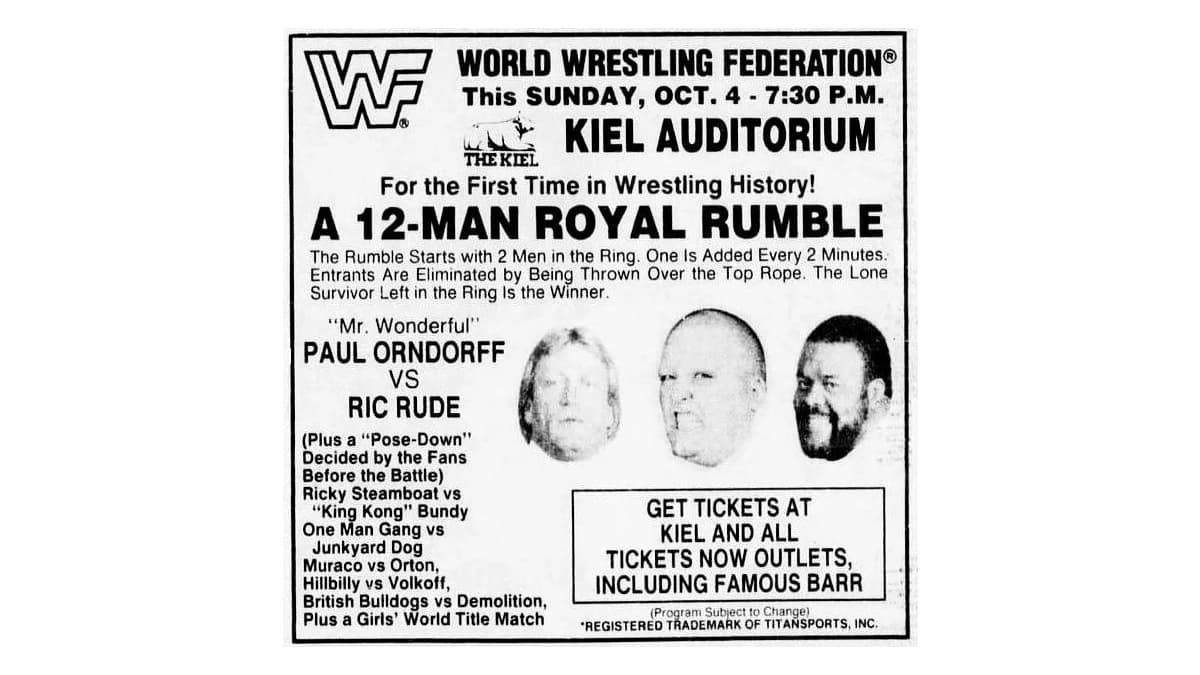
An article in the St. Louis Dispatch dated over three weeks earlier promoted the gimmick match, marking the first known print reference of a Royal Rumble. However, they got the name wrong, calling it the Royal Ramble.
The group of under 2000 spectators witnessed, for all intents and purposes, the birth of a gimmick match that would ultimately come to redefine WWE. The match wouldn’t have 30 competitors, though, due to WWE’s roster being split into 3 touring groups, and the first Rumble only featured 12 wrestlers.
The participant list is somewhat of a mystery, as accounts of the event don't list anybody outside of the final two entrants. The 13 males who appeared on the St. Louis card were King Kong Bundy, Don Muraco, "Cowboy" Bob Orton, Hillbilly Jim, Nikolai Volkoff, The One Man Gang, Junkyard Dog, Demolition members Ax and Smash, Davey Boy Smith, Billy Jack Haynes, "Ravishing" Rick Rude, and "Mr. Wonderful" Paul Orndorff. If it's true that only 12 of them took part in the Rumble, then one skipped out on the match entirely. It could well have been Haynes, who ended up pulling double-duty earlier in the night, substituting for Dynamite Kid as Smith's partner against Demolition, and as Bundy's singles opponent in place of Ricky "The Dragon" Steamboat.
In 2017, CBS Sports looked back on the event, reaching out to several living participants in search of memories and specifics. Interestingly, neither Demolition Ax nor Paul Orndorff had any memory of the show at all. The same applied for One Man Gang, and he actually won the match.
The only confirmed participants were the final pair, with reports noting that Gang eliminated Junkyard Dog to win the scramble. Fans in St. Louis were annoyed with this turn of events, although that was due to a miscommunication on the WWF's end which inadvertently telegraphed the finish.
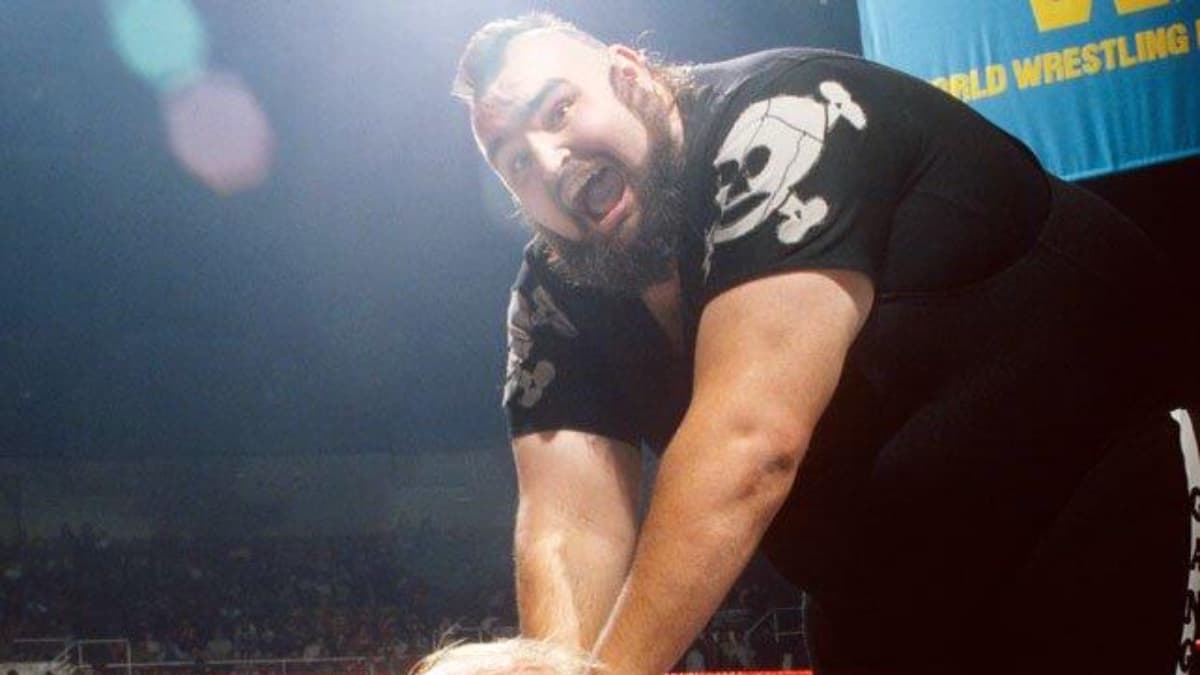
As the company was running another live event in the building five weeks later, the ring announcer announced matches for that card during the intermission, and one of those matches was WWF Champion Hulk Hogan defending the title against One Man Gang. When the Rumble took place later in the night, however, it was announced that the winner would get a shot at Hogan at the upcoming date.
The accidental spoiler capped off what had been a mostly disastrous card. The ending was telegraphed, the match didn't play well, and attendance was low. For some reason, Patterson was also not in attendance for that Rumble, so the architect wasn't there to help the wrestlers or presiding agents fully grasp his vision. They had to make do without him there to direct traffic.
"We tried it in St. Louis on a smaller scale. I was not there. I wish I would have been there. They got [the Rumble concept] all mixed up. It didn't work. Then Vince says to me, 'It's not gonna work, Patrick,'" Patterson recalled to CBS Sports.
Vince McMahon had originally been negative on the Rumble concept when Patterson first laid it out for him, believing it was too long of a match for their target audience to remain invested in. After the failure of the test run in St. Louis, it seemed like Patterson's invention was headed for the scrap heap.
By Patterson's recollection, the man who saved the Royal Rumble from certain doom was not a wrestler, nor was he a wrestling administrator of any sort. More importantly, he was someone whose vision and instincts McMahon trusted dearly in NBC executive Dick Ebersol.
Ebersol had been with NBC since 1974 and kept Saturday Night Live relevant during the first half off the 1980s, while also producing other popular late night shows for the network, including Saturday Night’s Main Event, which led to Ebersol’s long friendship with Vince McMahon.
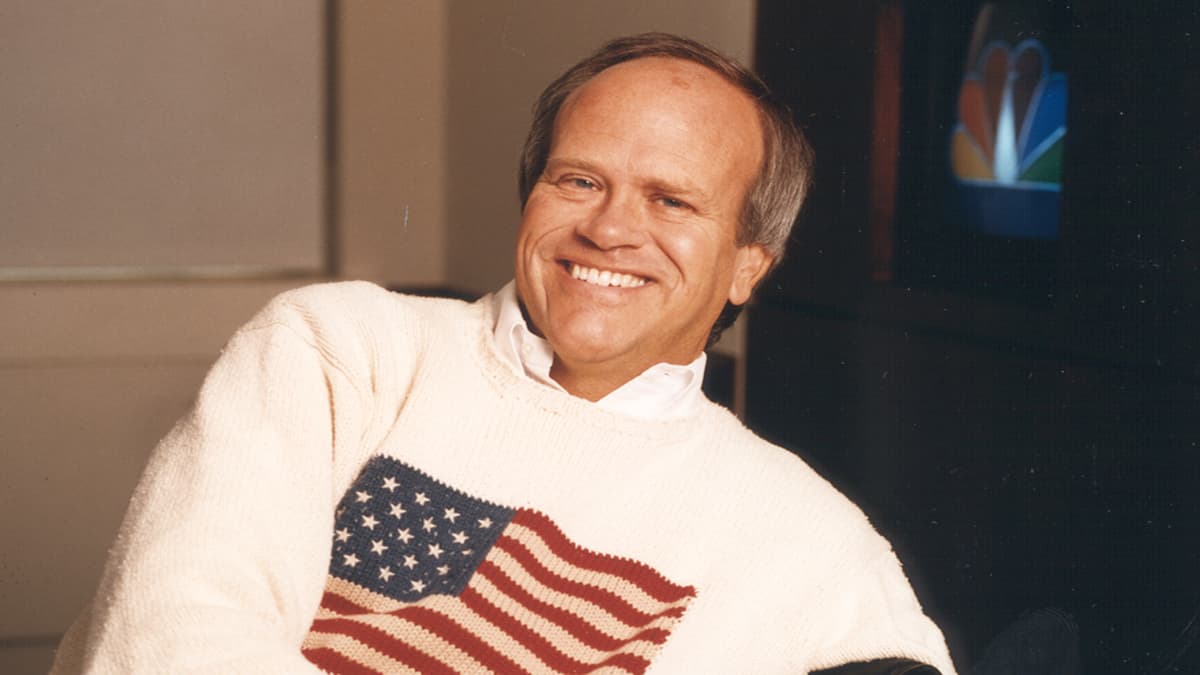
Through NBC's state of the art production, as well as Ebersol's layout for the program, the once rudimentary-looking WWF experienced a major breakthrough in how they produced their TV going forward both in style and in structure.
In early 1988, the World Wrestling Federation were producing a USA Network special due to air on Sunday, January 24, 1988 head-to-head with Jim Crockett Promotions’ Bunkhouse Stampede pay-per-view as WWF simply looked to counter-programme their competitor.
McMahon and Patterson met with Ebersol to put together the still-unnamed TV special, but Ebersol wasn’t particularly keen on the card the WWE officials presented. Grasping for some kind of hook, McMahon turned to Patterson and reportedly said, "Pat, tell Dick about your stupid idea for that battle royal." Apparently, the calamitous St. Louis event from October hadn't endeared itself any further to the boss.
After defending his idea once more to Vince, Patterson laid out the Rumble concept to Ebersol, and the NBC executive lit up at the very idea. He believed it was an ideal match for television regardless of its length due to the drama of seeing who was going to enter the fray next. Ebersol could envision it; put a countdown clock on the screen, alert the crowd when the timer comes up, and build the suspense for the next entrant.
Patterson recalled to CBS: "For some reason, Dick Ebersol says, 'Vince, that card is really not that good. It doesn't stand out. There's something missing on this show that you wrote.' And Vince turns around and he says, 'Pat, why don't you tell Dick Ebersol that stupid idea you had?’ I said, 'First of all, it's not stupid.' Then I gave the concept to Dick Ebersol about one guy comes in, then two minutes later another guy comes in. Dick Ebersol was going crazy. He says, 'My God, this is the greatest thing for television!'"
Patterson's creation, nor its poor dry run, impressed Vince, but Ebersol's vision for how the match could work as a televised spectacle renewed McMahon’s interest in trying it. He told Patterson to start putting together The Royal Rumble.
A total of 18,000 fans filled Hamilton, Ontario’s Copps Coliseum for the so-named Royal Rumble event. Not only was a 20-man version of the titular match scheduled for the card, but so too was a two-out-of-three falls match for the Women's Tag Team Titles between The Glamour Girls and the Jumping Bomb Angels, and a contract signing between WWF Champion Hulk Hogan and challenger Andre the Giant as they were set to meet in a televised title match 12 nights later on NBC.
As for the Rumble itself, McMahon left all the details and planning up to Patterson, and the WWF agent went deep into the weeds of outlining the match as he compiled detailed instructions for the 20 combatants to follow, from order of entry and elimination, to minute particulars designed to keep the bout exciting.
On the day of the Rumble, Patterson recalled some of the participants "freaking out" because of the level of detail that was in his designs, as he was coordinating the movements of 20 wrestlers. Many had been in standard battle royals before but there were more cues that needed to be adhered to in a Royal Rumble.
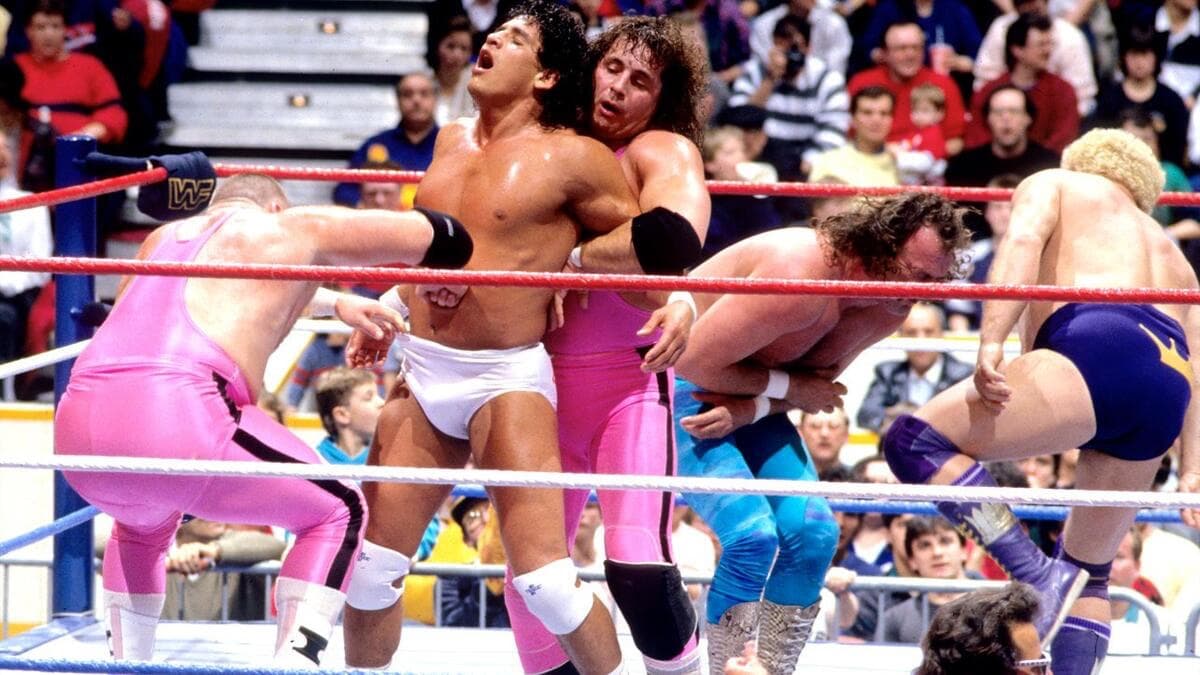
The 1988 Royal Rumble is somewhat of an oddity compared to how the match takes place in today’s WWE. Firstly, no wrestler entered to their theme music, which didn’t become standard until Royal Rumble 1996. It was also unique to hear the arena’s official horn as opposed to the WWE-approved buzzer that has been used since the early 2000s.
Also unusual was the fact that much of the roster wasn't even present for the Rumble. On the same day as the event, WWF ran a house show in Halifax, Nova Scotia where notable wrestlers such as Demolition, Brutus Beefcake, Greg Valentine, The Honky Tonk Man, and “Macho Man” Randy Savage all wrestled.
If the St. Louis Rumble was a mess, Patterson was going to remedy that by beginning the televised version with two excellent technicians that could keep his creation entertaining. A still-heel Bret "The Hitman" Hart goes down in history as the first number one entrant in WWE's preferred Rumble canon. Opposing him to begin the fray was one of his rivals, reigning WWF Tag Team Champion Tito Santana of Strike Force.
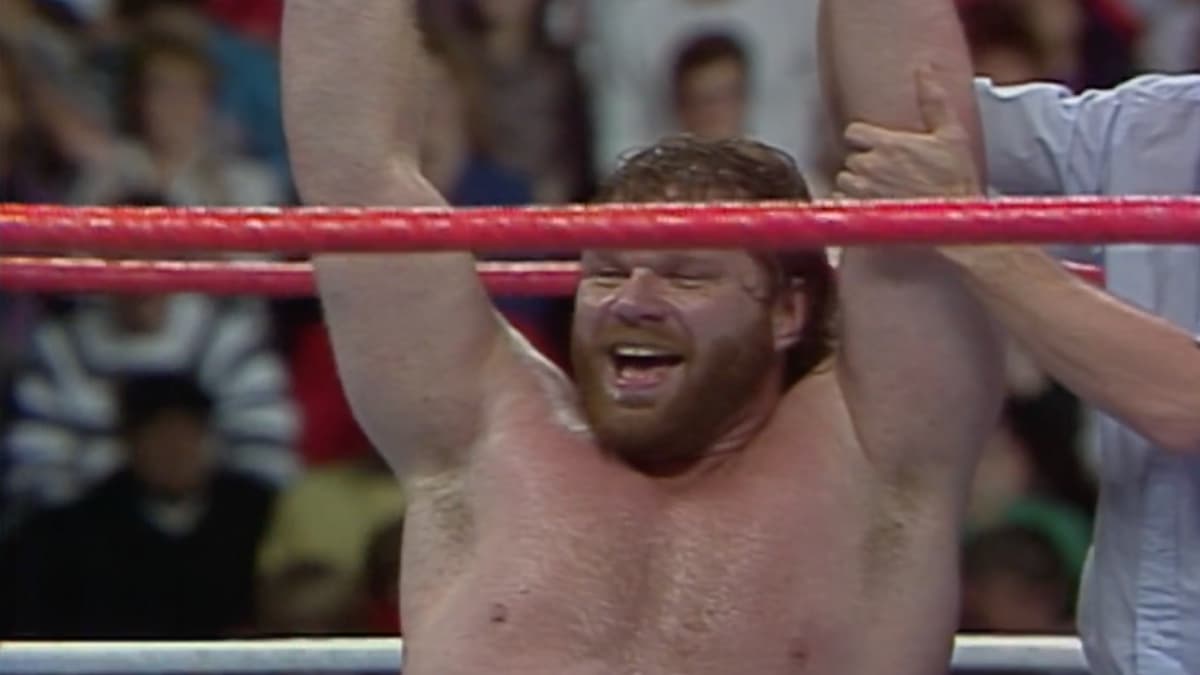
The fans remained mostly energised over the course of the 33-minute bout, buying into the antagonising mystery of each ensuing entrant, just as Ebersol predicted. They reacted especially loudly for the ending, in which #13 entrant Hacksaw Jim Duggan low-bridged the mammoth One Man Gang over the ropes to secure the win.
As for Vince McMahon, he probably cheered especially loudly when he saw the TV ratings. The 8.2 rating garnered by the program was the highest for any wrestling show on cable to that point. Combined with the mostly positive response to the event and its centerpiece match, greenlighting the Rumble for future years was made all the easier.
Before the Royal Rumble became an annual staple, it actually remained a house show attraction for a little while longer. Rumble matches continued to be held at live events in 1988. Jake Roberts won one in East Rutherford, New Jersey, while Rick Rude notched another such victory in Hartford, Connecticut, with both variations including 22 participants.
The Royal Rumble would soon become a pay-per-view tentpole of the World Wrestling Federation. By early 1989, McMahon firmly established his Big Four in SummerSlam, Survivor Series, the Royal Rumble, and WrestleMania.
Bunkhouse Stampede, meanwhile, did decently enough by WCW standards on pay-per-view, but the poorly-received show was a one-and-done as far as pay-per-view events go. In fact, neither Crockett nor Ted Turner attempted another January pay-per-view until 1997, so McMahon owned the month until then.
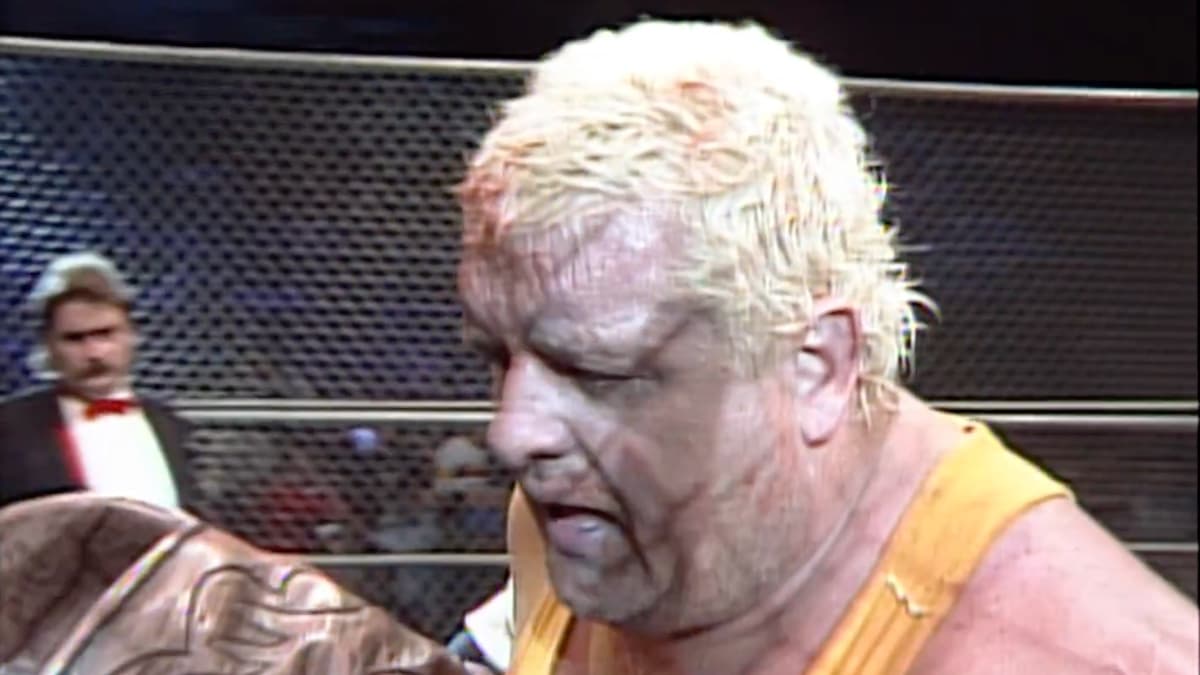
Somewhat surprisingly, though, the first pay-per-view Royal Rumble in 1989 did a shockingly-low 165,000 buys, barely a third of what WrestleMania IV had done the previous year, and less than half of the first-ever SummerSlam. It remained the least-bought Big Four pay-per-view for nearly seven years, before being beaten by the 1995 Survivor Series. Nonetheless, the Rumble continued forth as the January anchor, and remains such today.
Memorable moments dotted those earlier scrambles, from the Mega Powers' tease of a split in 1989, the Hogan/Warrior showdown in 1990, and Ric Flair's hour-long trek to win the vacant world title in 1992. The 1993 Rumble was the first match in which the winner earned a guaranteed WWF Title match at WrestleMania, a stipulation that remains in effect to this day.
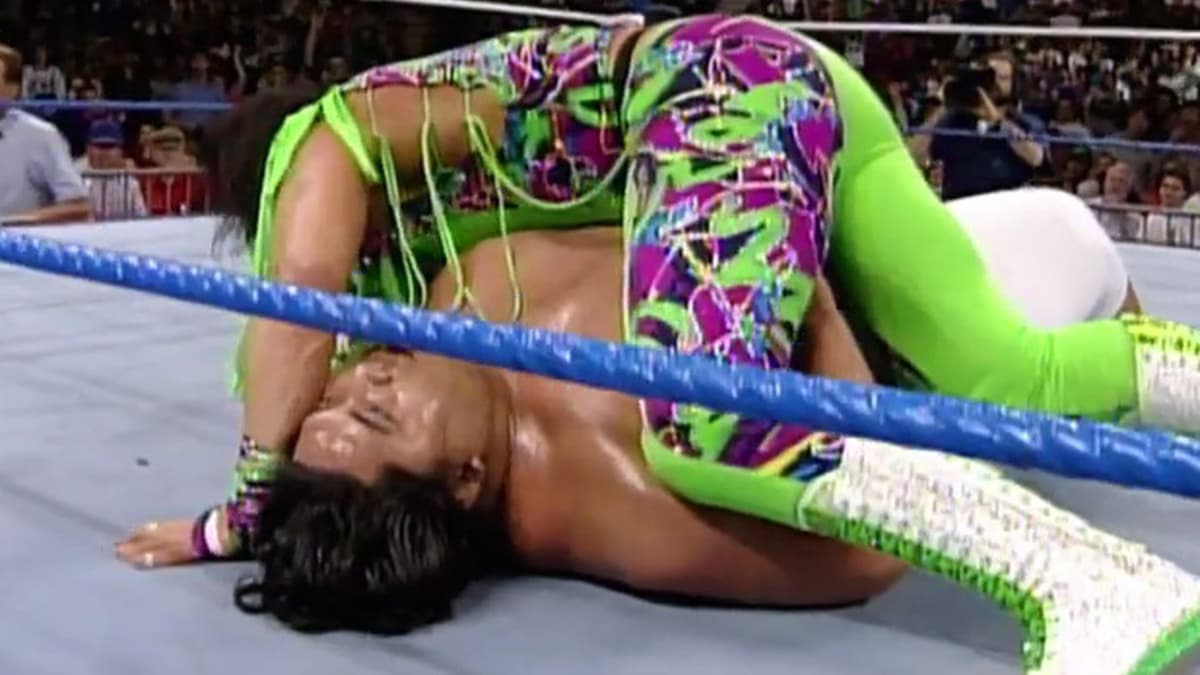
A quarter century later, the women received their own Rumble match, and recent Rumbles have been held in cavernous baseball parks and stadiums.
All of what we see today began as an idea from a creative wrestling mind, one who sought to take the thrill of a gimmick match he'd long been involved in and turn it into a grand spectacle on a larger stage. His ideas initially found resistance from his close friend and boss, and a trial run of that concept bombed miserably. Given a second life, what was named the Royal Rumble has become as synonymous with professional wrestling as any other creation, and will continue to captivate fans for years to come.