Tom Magee: WWE's 'Next Hulk Hogan' Flop
Tom Magee was WWE's failed attempt to make the next Hulk Hogan

Mar 18, 2026

Tom Magee was WWE's failed attempt to make the next Hulk Hogan
Mar 18, 2026
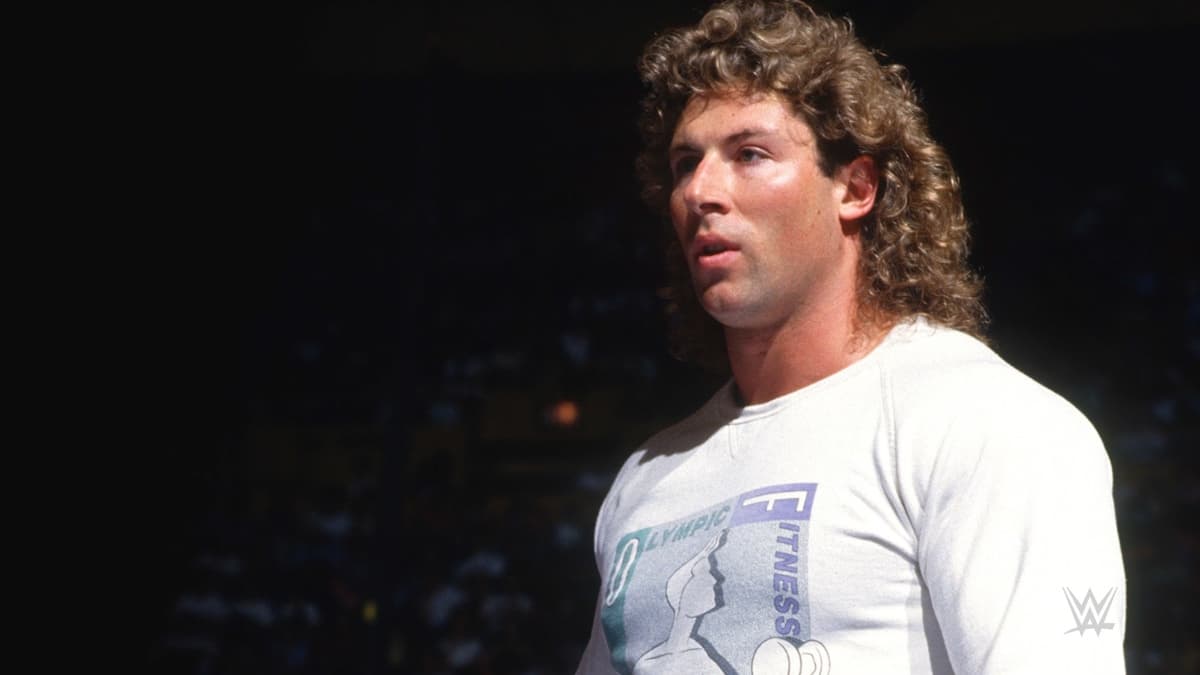
To be a top star in Vince McMahon’s WWE, it was often important to look like a star, with the likes of Hulk Hogan, The Rock, and Brock Lesnar all easily passing the eyeball test.
In 1986, one young wrestler by the name of Tom Magee possessed an eye-turning appearance and, following a famous tryout match with Bret Hart, was earmarked as a potential successor to Hulkamania. For a number of reasons, though, that life-altering push never materialised, and within a few years, the next Hulk Hogan faded out of pro wrestling altogether.
His story has endured as a curiosity for several generations of pro wrestling fans, many that consider what was, and ponder what could have been.
Born in Winnipeg in the summer of 1958, Tom Magee developed an extensive background in several athletic disciplines, studying karate as a teenager and earning a black belt. He also boxed in his youth and even performed gymnastics. It was powerlifting and bodybuilding that likely landed him on the radar of the World Wrestling Federation, though.
Already standing around 6' 5" tall, Magee augmented his looming frame with copious amounts of muscle and became a champion powerlifter, winning Canada’s national title in 1981 and 1982, as well as the 1982 IBF World Powerlifting Championship in Munich, Germany. Magee also set powerlifting records, such as an 820lb deadlift. As Dave Meltzer would note in 2019, to have the ability to compete at a championship level in powerlifting, Olympic lifting, and bodybuilding in the same time frame was “almost unheard of.”
After winning the Mr. British Columbia bodybuilding title in 1984, Tom Magee began to train at the famous Hart Dungeon. In October 1985, at the age of 27, Magee had his first professional bout in Calgary for Hart’s Stampede Wrestling, defeating Karl Moffat, who later gained some notoriety as Jason the Terrible. Over the months that followed, Magee worked extensively with veterans like Goldie Rogers and Hiro Saito. Soon, he was taking part in handicap matches, demolishing two opponents at once, a tribute to his awing power.
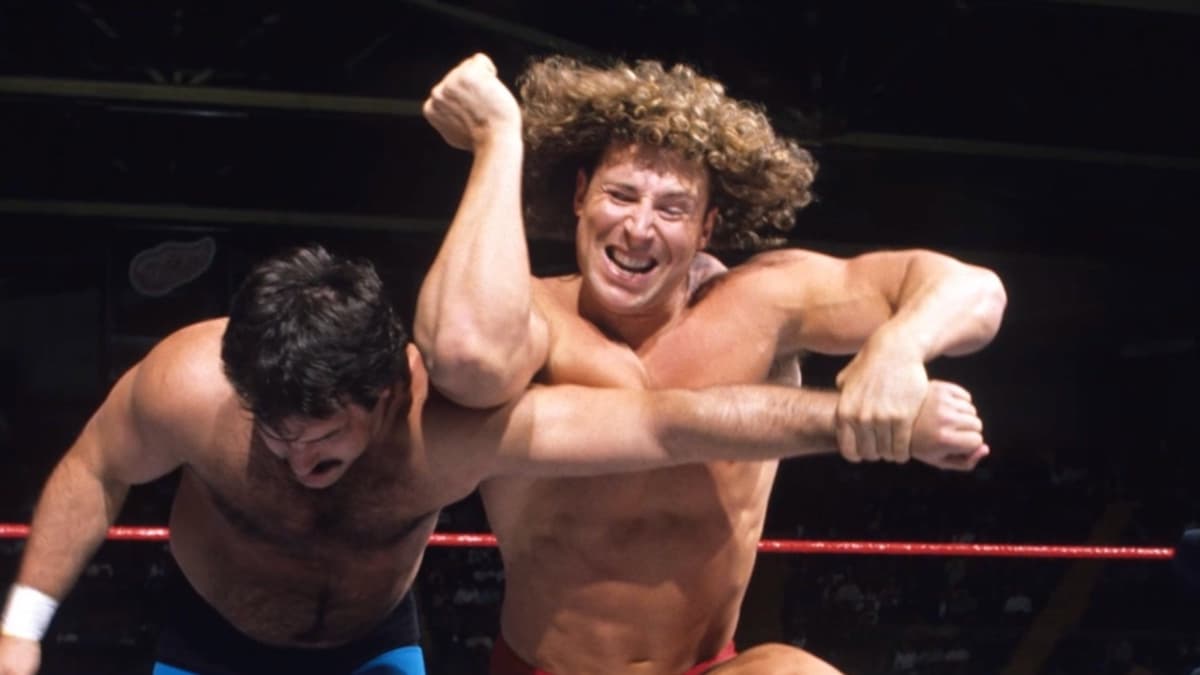
Magee’s gymnastics background also paid dividends as not only could he execute perfect handsprings and cartwheels mid-match, but occasionally in his entrances, Magee would ascend the turnbuckles, perform something akin to a shooting star press, and land on his feet after a full 360 rotation. Complementing Magee's athletic prowess were other enviable features in a rockstar-esque mane of flowing hair, as well as a granite jaw.
Magee’s pro wrestling education continued in 1986 as he toured with All Japan Pro-Wrestling, sharing the ring in brief encounters with the likes of Riki Choshu and Masanobu Fuchi, around his continued appearances for Stu Har’s Stampede Wrestling.
Through the Stampede pipeline, two internal projects earned untelevised tryouts with WWF in 21-year-old Owen Hart and Tom Magee after Stu asked the still-mid card Bret Hart to ask Vince McMahon to take a look at Magee along with his brother.
Magee’s tryout took place on October 7, 1986 at a Wrestling Challenge taping in Rochester, New York and a crowd of 8200 at the War Memorial witnessed a match that would become part of decades-long pro wrestling lore.
On the day of the tryout, Bret - a heel as part of the Hart Foundation at the time - discovered that he would be putting over Tom Magee in the match. Hart visited Vince McMahon and asked why he has been selected to put over the newcomer, with Vince explaining that it was simple. If Magee had any potential at all, a consummate technician like The Hitman would be able to help Magee show it. Hart was further assured by Vince that the match would not be televised.
Entrusted with the task of putting over a still fairly-inexperienced wrestler, Hart went to Magee in the locker room, and asked for his three best moves. Hart designed the match around what Magee did best to maximise his chances of getting signed.
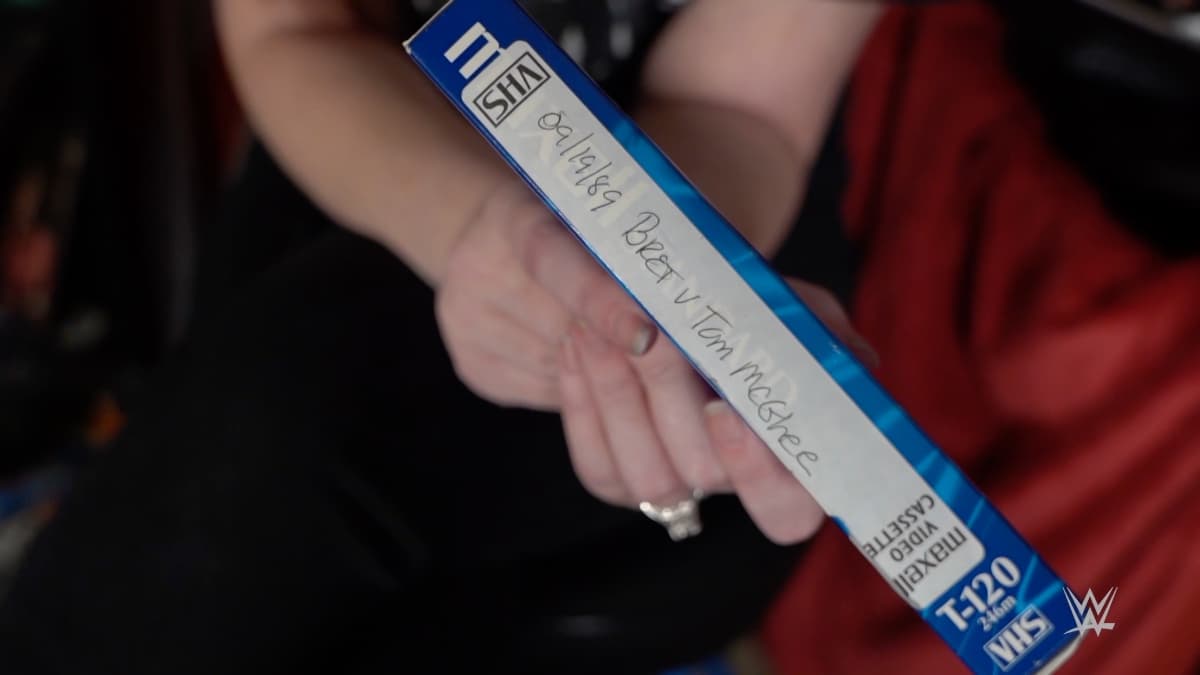
The match itself became legendary after it became lost media. Bret had his own VHS copy of the match provided by the WWF, but over the ensuing years, the company apparently never properly catalogued the original copy among their vast video library.
In 2019, just a few years after the launch of the Hidden Gems section of the WWE Network, wrestling photographer Mary Kate Anthony revealed she owned a copy of the match, with the tape apparently being one of several copies entrusted to her by Hart’s friend and advisor Marcy Engelstein to be converted to DVD, but the tape was mislabelled as being from 1989. The match ultimately made it’s way to the WWE Network as part of a short documentary about the contest.
The match itself, or the footage that still exists, began with the contest in progress with Hart holding Magee in a side headlock when the debuting babyface freed himself and evaded Hart with a cartwheel and backflip, before sending Bret over the top rope with an arm drag in a sequence that brought cheers from the Rochester crowd. The inspired athletics continued when Hart tried another charge, to which Magee performed a magnificent leapfrog before landing another armdrag.
The next big spot, however, revealed a bit of a schism in Magee. After countering a corner whip by running up the ropes and backflipping over Hart, Magee followed up with a very bad-looking dropkick to The Hitman. Nonetheless, the crowd reacted strongly to Magee's unreal agility.
Still, there were moments of evident greenness throughout the rest of the match. At one point, Magee failed to move away from a Hitman second rope elbow that was clearly intended to miss. A more demonstrably wonky moment came on a longtime Bret Hart staple of the corner whip that sends Hart chest-first into the buckles, causing him to fall back hard on the rebound.
Most of Bret's opponents would go through an aggressive throwing motion, to sell the fact that they really launched Hart into the buckles, justifying Bret's ensuing trademark bump. Inexperienced Magee, however, wasn't as overt as he sort of weakly did the whipping motion, which made Bret's bump feel a bit excessive as a result.
The finishing spot called for Hart to try and suplex Magee from the apron into the ring, only for Magee to drop down and win with an O'Connor Roll. That's exactly what happened, but not without one last glitch as an overeager Magee initially tried to jump before Hart even attempted the suplexing motion.
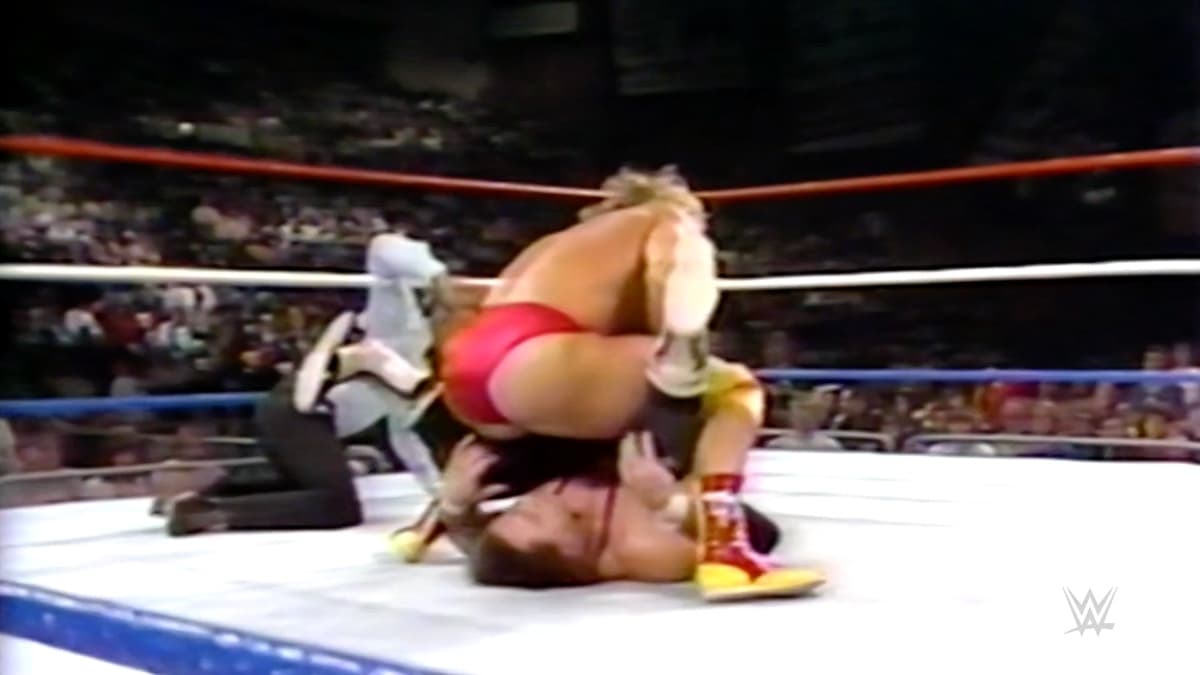
Nonetheless, none of the mistakes harmed the match. From a quality standpoint, the 10-minute match was very good by 1980s WWF standards, rough patches aside, and more importantly, the fans in Rochester were suitably ecstatic at Magee's victory.
Also ecstatic was apparently Vince McMahon himself. After the match, Dynamite Kid told Bret Hart that the WWE Chairman, while watching on the backstage monitor, "nearly wet himself", and "exclaimed loud enough for all to hear, 'That's my next champion!'"
Bret was considerably less starry-eyed, later writing of Magee: "As good as he looked, he was horrible, pathetically phony. I struggled to maneuver him into place without the fans realizing his shortcomings."
Despite Vince McMahon’s rave review, Tom Magee would never wrestle a nationally-televised match for the World Wrestling Federation.
At the dawn of 1987, Magee began working house show matches with numerous lower-card wrestlers like Jose Luis Rivera, Barry O, and Terry Gibbs, all of whom were experienced TV jobbers that knew how to sell for ascending performers. However, Magee apparently struggled in these matches as none of his opponents had Bret Hart’s skill for carrying lesser workers to their most optimal performances. Bret later said of Magee's matches with Gibbs, "No matter how hard Gibbs tried, they stunk the building out."
Magee's negative reputation as a wrestler had preceded his match with Bret. In a 1986 piece in the Wrestling Observer Newsletter, Meltzer, while making sure to note Magee's rare physical gifts, wrote at the time: "He was a very stiff and poor worker, and those in Calgary don’t have kind words for his willingness to learn.” It was also claimed that Magee was an “ego case.”
As the weeks and months went by, Magee's work continued to not meet the company standard. Nobody Magee worked with could coax the same performance out of him that Bret Hart did the previous year, while also camouflaging his obvious flaws.
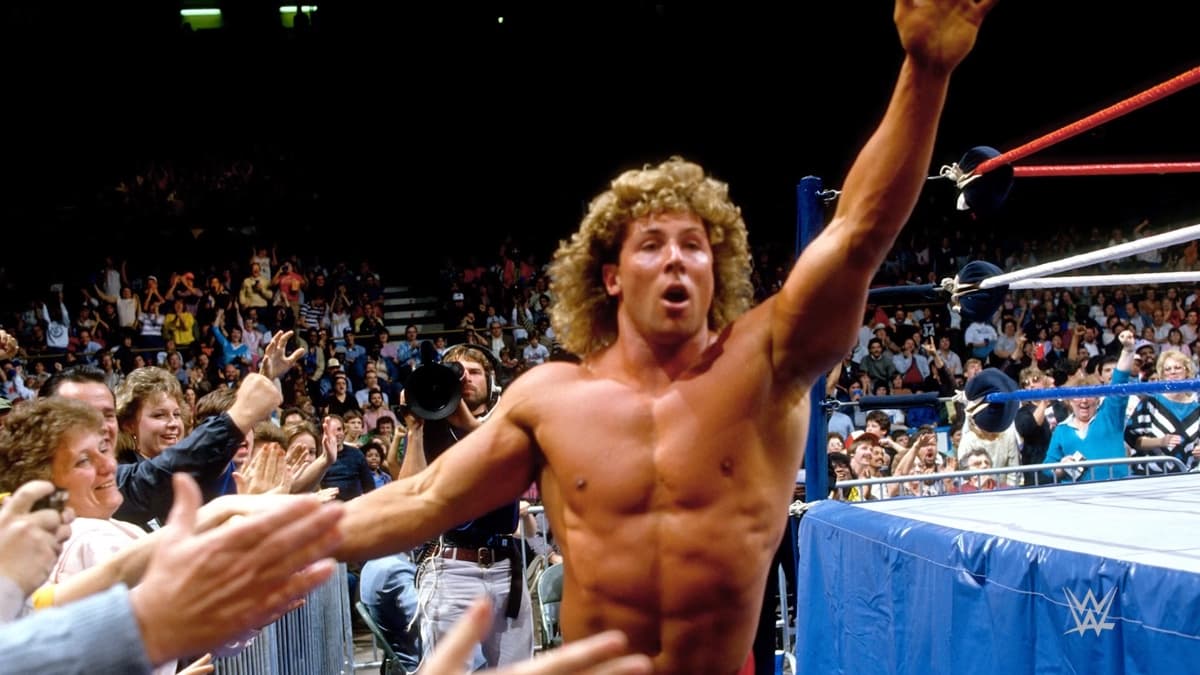
By July 1987, Magee was out of WWF, quitting on his own volition. His last notable match was a dark match victory over veteran Don Muraco at a Superstars taping that May. Not even a year had passed since his WWF debut.
Magee did briefly return to WWF in January 1988 for a Canadian house show loop, working several bouts with Iron Mike Sharpe. Months later, Magee returned to All Japan, where he made a bit of unfortunate history.
Working 22 matches in less than one month, Magee was mostly confined to singles matches clocking in at under 10 minutes, but he did work some tag team matches with the likes of Tiger Mask, Jumbo Tsuruta, John “Earthquake” Tenta and Big Bubba (AKA The Big Boss Man).
The most notable match of Magee's excursion, though, was a two-and-a-half minute match in Kawasaki against former sumo competitor Hiroshi Wajima. The match was literally laughably bad, between Magee's threadbare strikes, a woeful attempt at a belly to belly suplex, and a rather sudden Wajima victory with a Boston Crab. Spectators could be heard laughing during Magee’s offence and the farce was bad enough to be named the Wrestling Observer Newsletter’s worst match of 1988.
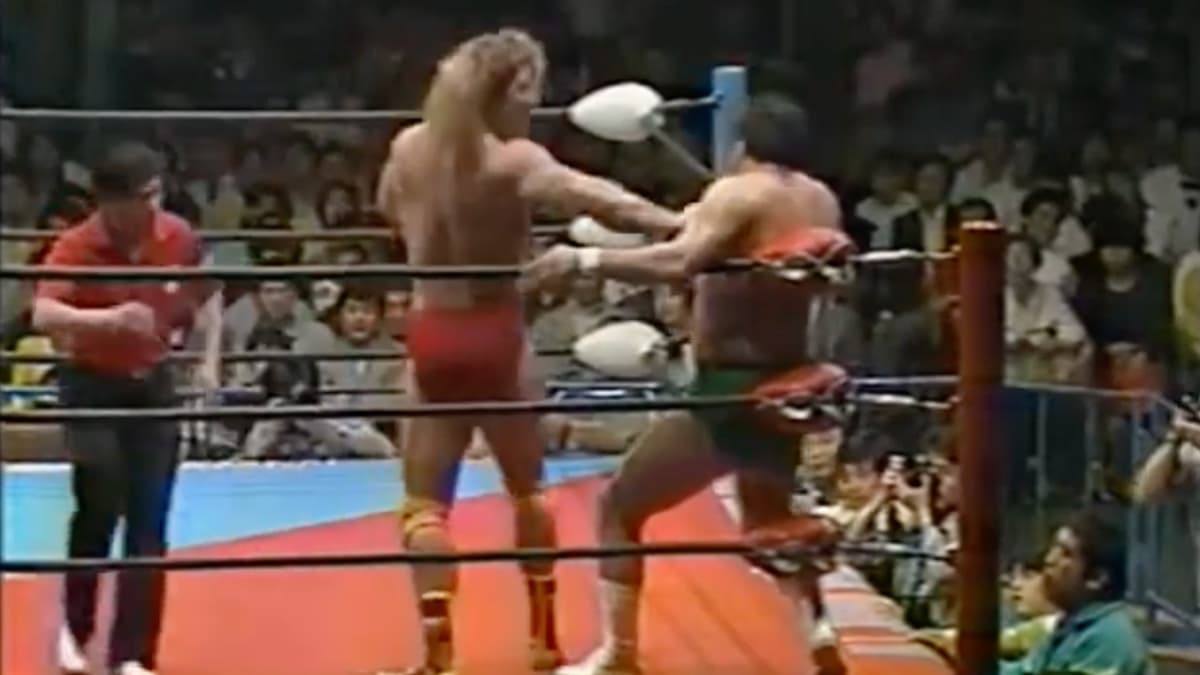
That match was the end of Magee in Japan, and, for a while, it looked like he was done with wrestling altogether.
Before 1988 came to an end, though, Magee received one last-ditch run with WWF where he was immediately put to work in dark matches with two other talented pros in Ted DiBiase and Arn Anderson, the latter of which aired on some international WWF broadcasts.
Speaking with Conrad Thompson years later, Anderson stated that his match with Magee wasn't good, and video evidence supports his claim. Like a slowed down version of the Bret match, Magee's whole routine consisted of light strikes, occasional backflips, and a lot of stationary wear-down holds in lieu of anything exciting. Anderson believes the TV taping crowd quickly saw through Magee's lack of fundamental depth.
In the spring of 1989, WWF tried Magee as a heel, dubbing him "Megaman Magee" and putting Jimmy Hart with him as a manager at some house shows. Magee mostly worked with the technically-sound Tim Horner, including for a locally-televised Boston Garden card that June. There, it was more of the same, with Horner taking all the bumps he could to try and mask Magee's limits. It was perhaps a bad sign when the now-villainous Magee tried to backflip as a means of taunting, and his foot skidded on the landing.
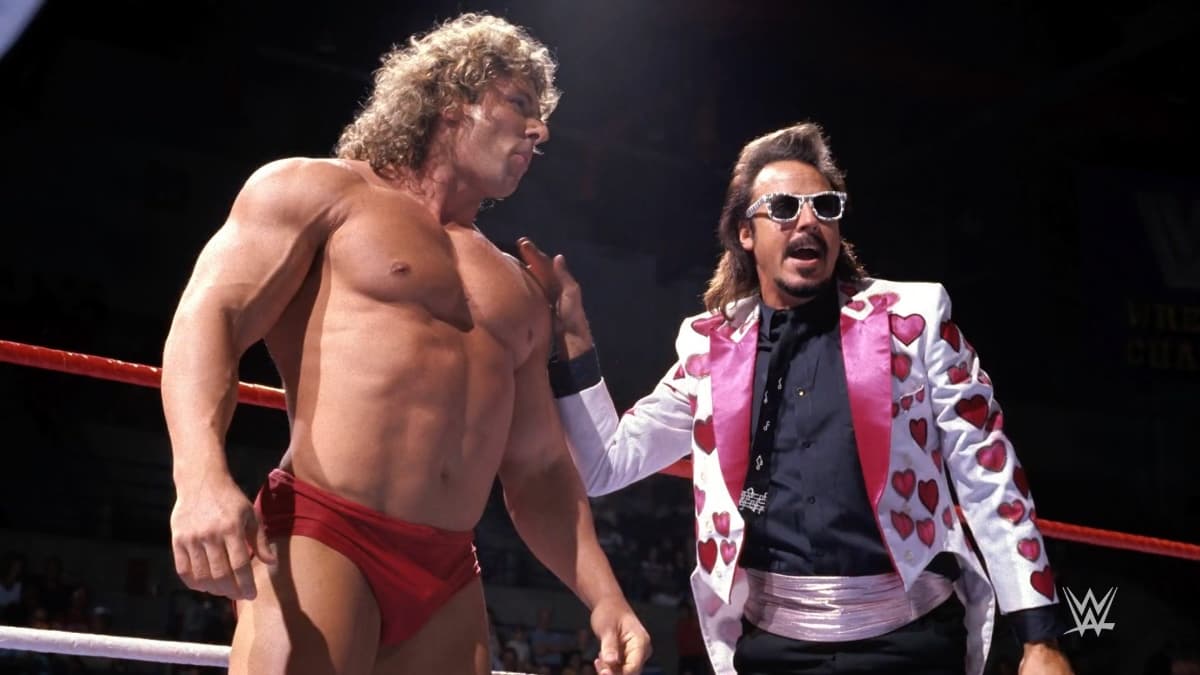
Magee last wrestled for WWF that July, and the the final matches of his career came as part of a New Zealand excursion in April 1990. Three and a half years earlier, an excited Vince McMahon reportedly believed Magee was his next world champion.
It was after Tom Magee's initial struggles that Vince McMahon did find that successor to Hulk Hogan. Many believe that The Ultimate Warrior received the push that would have been intended for Magee of destroying undercarders as a human whirlwind, capturing the Intercontinental Title in 1988, levelling up against the top upper-midcard heels for the next two years, and then beating Hulk Hogan in the torch-passing match to win the WWF Championship.
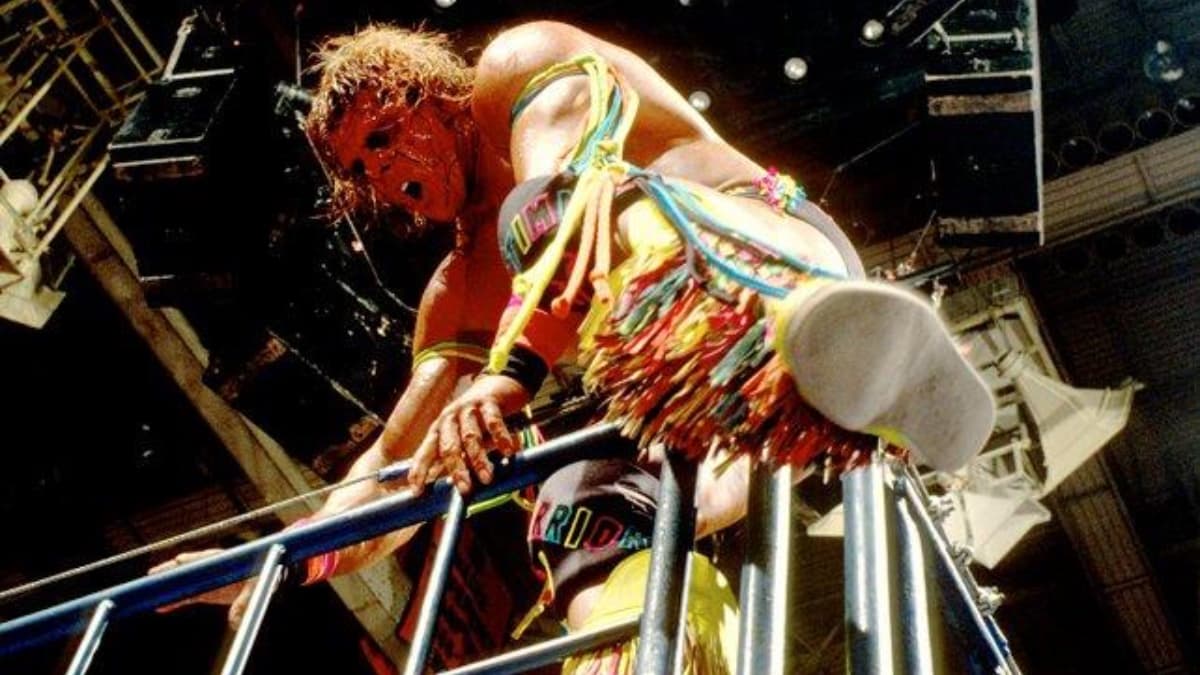
While Warrior has never been mistaken for a technical wizard inside the squared circle, he offered so much more than Magee did. Warrior's offence was thudding, whereas Magee's was tentative. Warrior was prone to performing power moves, while most of Magee's offence was either holding his opponent in a standing armbar or throwing kicks that barely made contact. Magee was also less magnetic, an impressive athlete with little semblance of charisma or personality. Warrior barely made sense, but at least he had a commanding presence.
Really, the Magee experiment was over as soon Vince McMahon found a more desirable "next Hogan." At the time Magee wrestled his last match, Warrior had already been WWF Champion for a week. Two years later, the man who carried Magee to the match of his life also won the WWF Title, for the first of five occasions.
In retirement, Tom Magee became a trainer at Gold's Gym in Los Angeles. He resurfaced as part of that 2019 WWE Network special centred on the lost footage of his most famous wrestling bout.
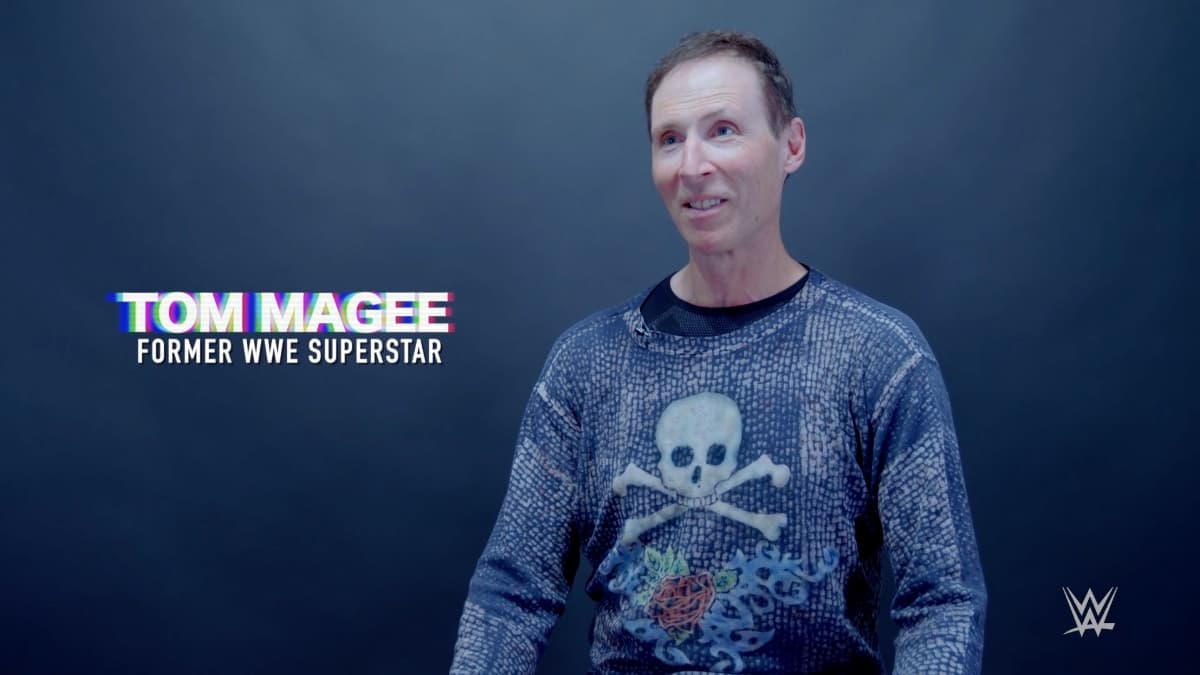
Sometimes, a sure thing in wrestling just doesn't work out. For Tom Magee, the problems were at the fundamental level. A complex ballet of speed, strength, agility, and timing, wrestling is a difficult discipline to master, and Magee just couldn't grasp what was needed to have long-term success, despite possessing absurd physical gifts.
Nonetheless, Magee is ironically something of a legendary figure in professional wrestling, both for his inability to find success as a "sure thing", and the lore surrounding one specific match he had in 1986. There are wrestlers with longer, more lucrative careers who don't possess the same fascinating mythos as "Megaman" Magee.
A WWF superstar that most fans never saw when he was active, Tom Magee's place in wrestling history is wholly unique. He is at once the star who should, the champion that wasn't, and the curiosity that remains.