Paul Heyman, Shane Douglas And The Shocking Birth Of Extreme Championship Wrestling
How Extreme Championship Wrestling was created in infamy

Mar 19, 2026

How Extreme Championship Wrestling was created in infamy
Mar 19, 2026
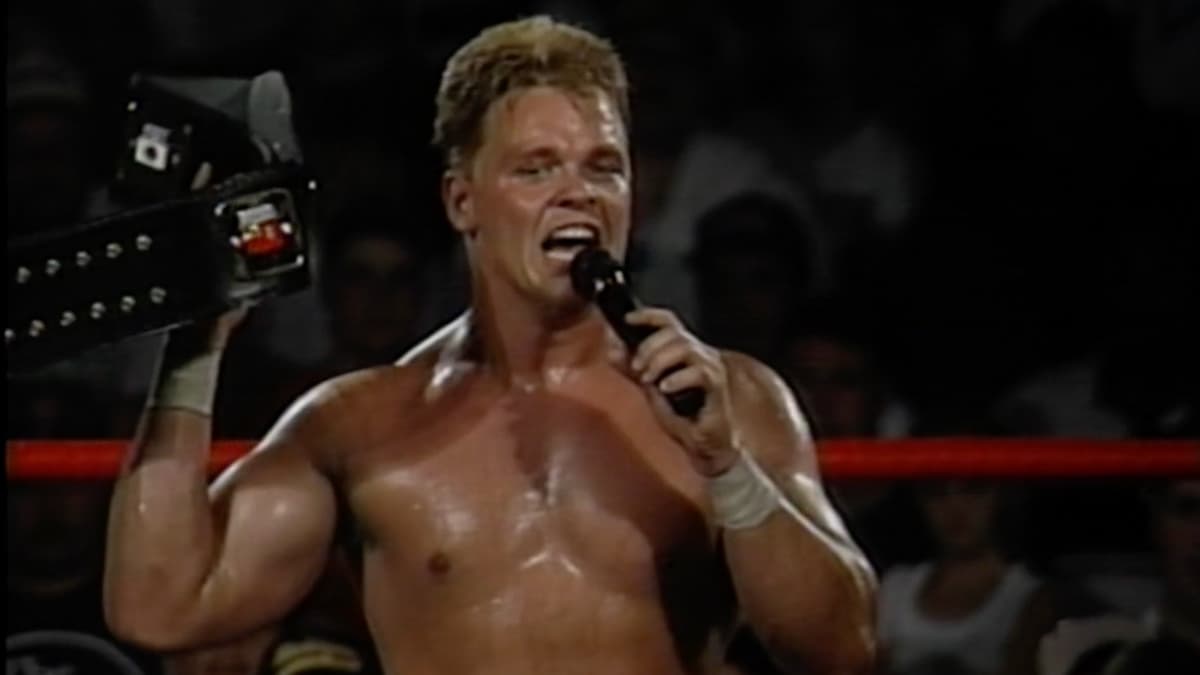
One night in August 1994, ECW’s renegade spirit that has continued to permeate professional wrestling to the present day was on full display as Eastern Championship Wrestling declared extreme independence, while standing on the neck of a wheezing, fledgling entity.
30 years on, it remains one of pro wrestling’s most controversial and historic double-crosses.
The ECW way as most fans know it is full of specific ingredients in painful weaponry, routine bloodshed, and rampant profanity. Dig a little deeper into core ECW, and you would also find the finest in-ring technicians and daredevils showcasing their wares, as well as mainstream castoffs taking the opportunity to profoundly reinvent themselves.
When ECW ran its first show on a Tuesday night in February 1992 from a Philadelphia sports bar, few of those elements were evident. The card was filled with local notables including DC Drake, Johnny Hotbody, Tony Stetson, and Glen Osbourne, as well as former WWWF Champion Ivan Koloff, and a 20-year-old eventual mainstay in Stevie Richards.
The promotion wasn't "extreme" yet, neither in mantra, nor in name. At the time, ECW stood for Eastern Championship Wrestling, and operated under the promotional eye of Philadelphia businessman Tod Gordon.
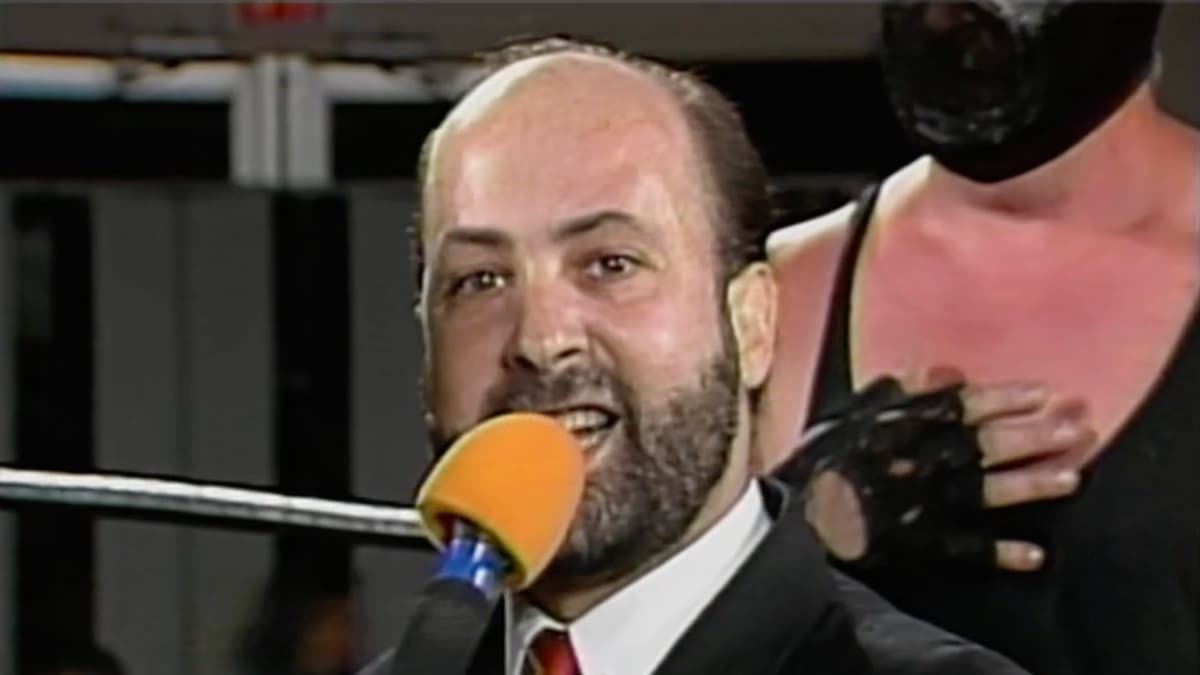
The company was actually a spiritual continuation of a local entity called the Tri-State Wrestling Alliance, which ran out of Philadelphia from 1989 to 1992. The short-lived promotion gained a measure of fame for some of the eclectic dream matches it promoted, including a famed three-match hardcore showcase between Cactus Jack and "Hot Stuff" Eddie Gilbert in 1991, but mounting debts sealed Tri-State's fate.
Gordon picked up the pieces and carried on with ECW. Industrial stars including "Superfly" Jimmy Snuka, Don Muraco, Kerry Von Erich, and Davey Boy Smith all appeared for the young promotion during its first year, and by the spring of 1993, ECW secured a local TV deal on SportsChannel Philadelphia. Shortly after, a freight warehouse on the corner of Swanson and Ritner streets in south Philadelphia was repurposed as the ECW Arena.
That same year, a former WCW personality entered the ECW fold, one that would become synonymous with the organisation in manager Paul E. Dangerously, more popularly known by his real name of Paul Heyman.
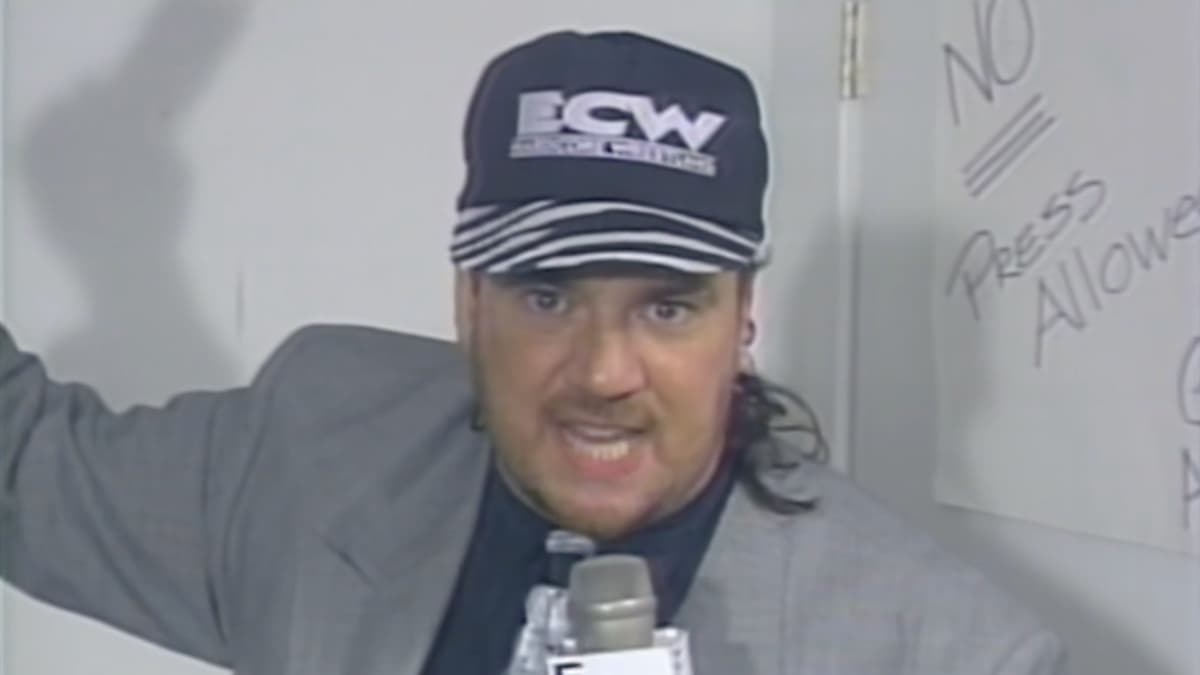
While he would eventually become ECW owner, Heyman began with ECW on a much lower level, helping out where he was needed by assisting Eddie Gilbert, who booked Eastern Championship Wrestling in addition to performing as one of the promotion’s top stars. Heyman at the time was splitting his time between Jim Crockett Jr’s NWA-affiliated World Wrestling Network and ECW as he served as the booker of WWN, while working for ECW on a peripheral basis.
Eddie Gilbert would soon exit ECW, though, due to quarrels with Paul Heyman. While Heyman wanted to take chances and innovate, Hot Stuff was said to be a bit more traditional-minded. Others, however, have suspected Heyman wanted to be the head of ECW and a power play may have contributed to Gilbert’s exit, while Eddie was also irked by the connection between ECW and Crockett’s WWN.
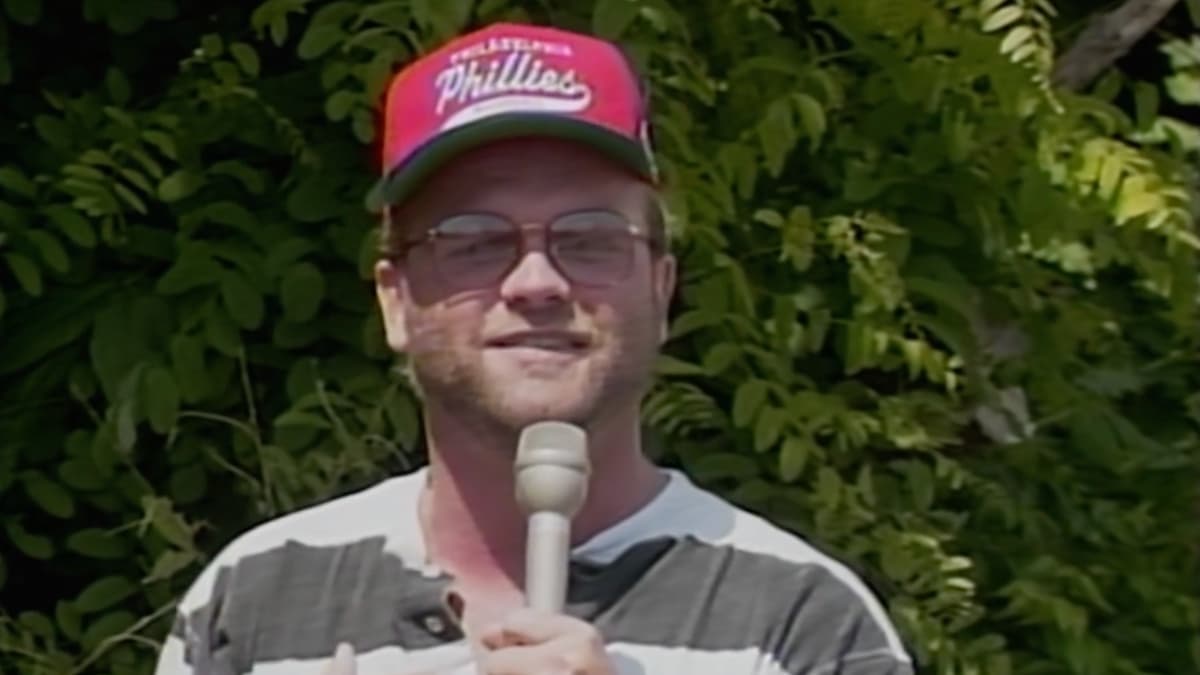
As was noted in the book Hardcore History, "Gilbert had been less than enamored with Crockett since 1987, when Crockett bought Bill Watts' UWF group, and promptly allowed most of its stars to be booked into oblivion." One of those stars was Gilbert himself.
In September 1993, Crockett and the National Wrestling Alliance welcomed ECW to its list of membership promotions, with Heyman himself present at the annual NWA convention. The NWA needed fresh blood as that same month, Ted Turner's World Championship Wrestling officially withdrew from the National Wrestling Alliance.
There were ambitions on making the NWA a powerhouse again, and gaining a respectable foothold in the northeastern US - especially a foothold that actually had a regional TV deal - was an ideal strategy.
While Gordon was looking forward to promoting the northeast under Crockett, Eddie Gilbert was less than happy and he quit the company, selling his ownership shares back to Tod Gordon shortly before ECW UltraClash, the first ECW event to take place under the NWA banner.
Needing a new booker, Gordon turned to Paul Heyman. When Paul E. gained control of the book, he already had at his disposal an ideal champion in 28-year-old Shane Douglas.
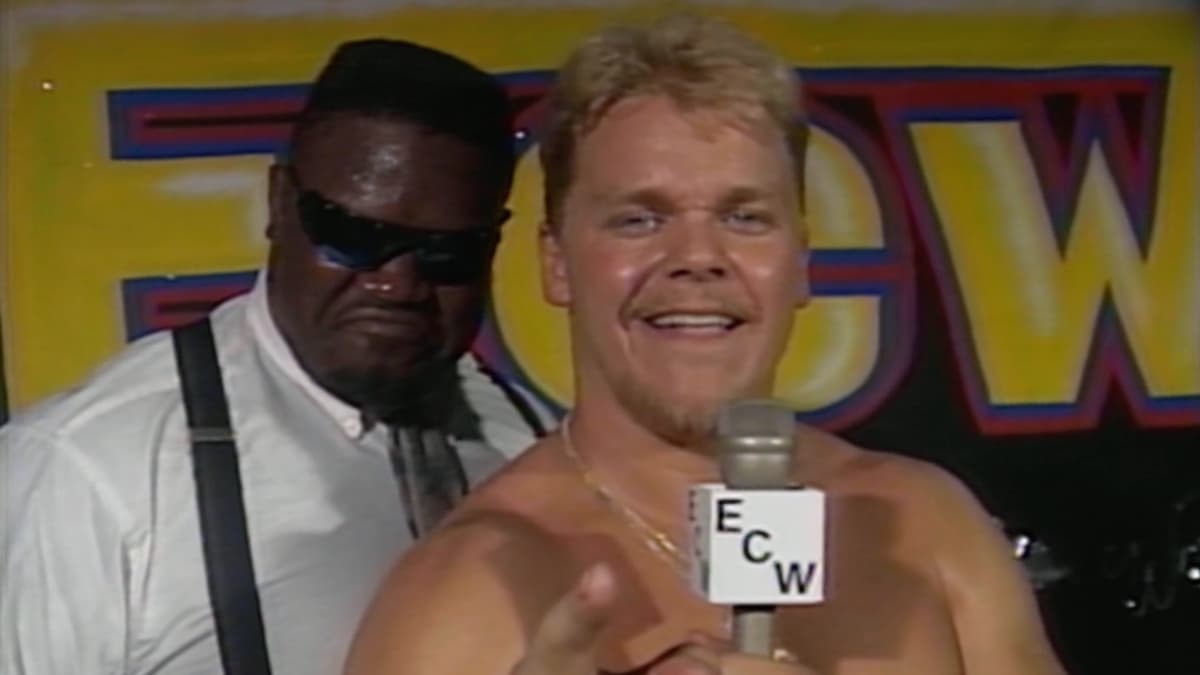
After leaving WCW on a sour note earlier that year, Douglas had been coaxed to ECW by Gilbert in the summer of 1993, where the longtime bright-eyed babyface began working as a heel. Contrasting Douglas' choir-boy good looks was a natural-sounding devilish growl that would underscore his many ECW soliloquies to come.
After previous ECW Champion Tito Santana failed to appear for a title defence, Douglas was awarded the strap via forfeit. Though he lost the title to Sabu a few weeks later, Douglas eventually regained the gold in March of 1994 after defeating the legendary Terry Funk in an eight-man Ultimate Jeopardy Match.
More than a month prior, Douglas cemented himself as the lead heel ECW needed following an impassioned promo that came after his inability to win the title from Funk in a three-way match that also included Sabu. It was here that Douglas found his voice as "The Franchise", a no-frills, salt-of-the-earth athlete that thought highly of himself, mixing pomposity with athletic grit. He was the bad guy you loved to hate.
While Douglas continued his entrenchment as the most effective heel outside of the World Wrestling Federation and World Championship Wrestling, Paul Heyman's relationship with Jim Crockett Jr. was disintegrating.
The World Wrestling Network ran what was ultimately its only TV taping in February 1994 at New York's Manhattan Center. In addition to a bevy of ECW talents, the tapings were also attended by stars like Road Warrior Hawk, Jake "The Snake" Roberts, and Missy Hyatt.
The original plan was for ECW to be an arm on the WWN body, to be a launching pad for local talents to get ready for the "big time" that Crocket's group intended to become. A combination of ECW developing a cult following for its wholly unique product and Heyman's clashes with Crockett over direction and tastes led to Heyman severing ties with WWN. Gordon was also in favour of keeping ECW from becoming too deeply associated with the World Wrestling Network, maintaining some degree of independence.
ECW was still very much part of the NWA, though, the biggest fish in the decidedly small pond that the NWA governed over. In fact, when the NWA board decided it was time to crown a brand new NWA Worlds Heavyweight Champion in 1994, it was determined to have ECW be the battleground for the all-important tournament.
This didn't sit well with New Jersey-based promoter Dennis Coralluzzo, one of the NWA's joint-presidents. Coralluzzo felt uncomfortable with the tournament being awarded solely to ECW, feeling that one promotion was earning favouritism over the other NWA affiliates. He didn't want one affiliate gaining virtual control of the NWA World Title, as had been the case when Crockett oversaw Jim Crockett Promotions in the 1980s, and Coralluzzo believed that the tournament being held strictly in ECW was a sign that it was going to happen once more.
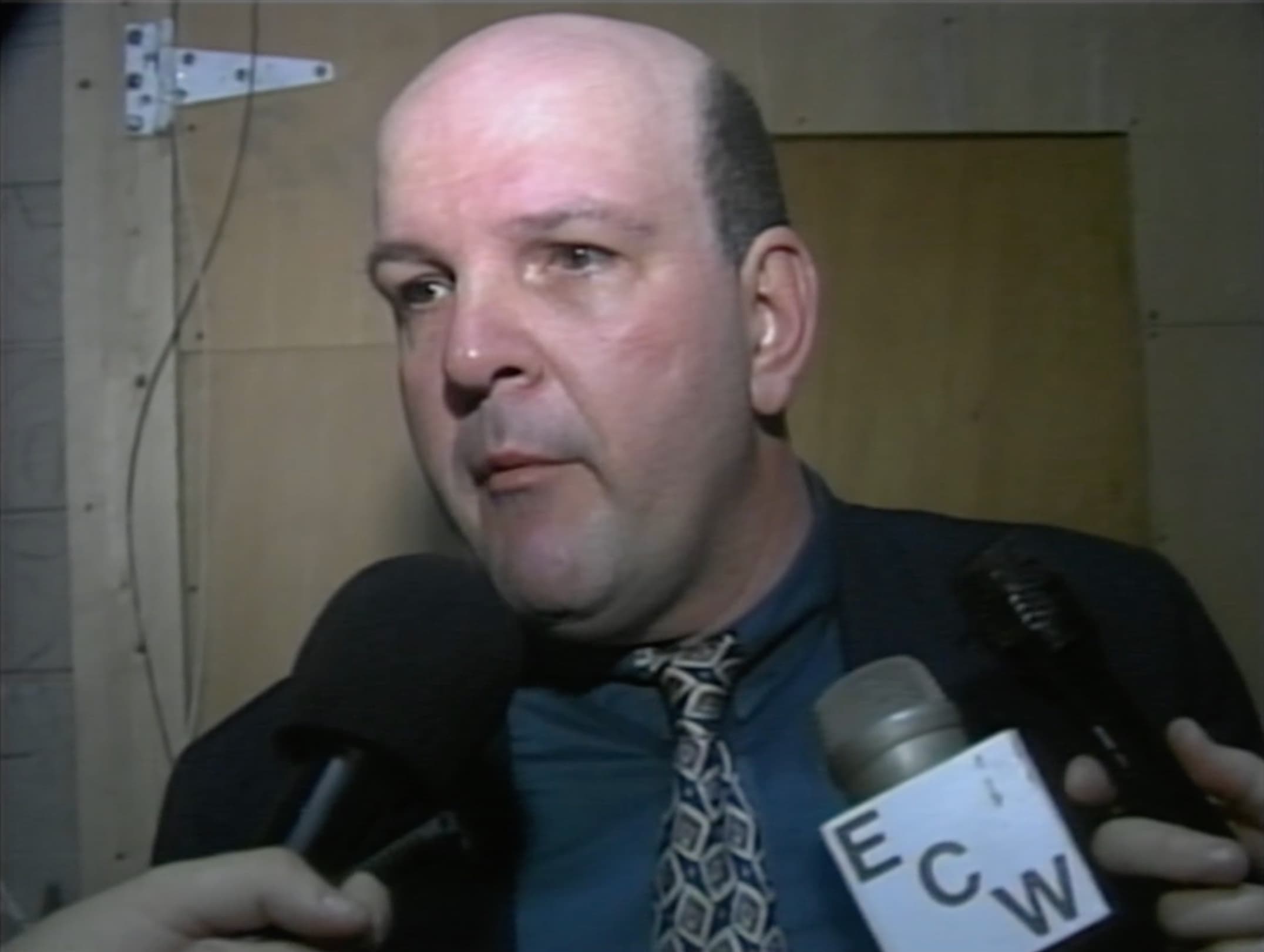
This, understandably, created friction between Coralluzzo and ECW, especially when Coralluzzo made it clear that he was going to oversee the entire tournament personally, even though it was taking place on ECW's turf. Heyman later claimed that Coralluzzo had done his best to try and sabotage ECW's shows out of envy, as the Philadelphia events were vastly outdrawing Coralluzzo's cards across state lines in New Jersey. Heyman even said that Coralluzzo would call the Philadelphia fire department under the guise of being a local resident, saying that ECW was violating the fire code with an overcrowded building, resulting in the local fire department performing head counts and checking the sprinkler systems before the event could go ahead as planned.
In February 1994, on the same night Shane Douglas battled Terry Funk and Sabu in their famed three way match in Philadelphia, Corralluzzo ran his own event less than 20 miles away just over the water in Clementon, New Jersey with Jerry Lawler headlining against Abdullah the Butcher. In response, after the first match of the ECW card - which drew 1300 fans compared to the 500 across the river - Heyman went on a verbal tirade in reference to the opposition show, in particular about the usage of Lawler, who was facing very serious legal issues at the time.
Nonetheless, ECW was getting the tournament, to be held in Philadelphia on Saturday, August 27, 1994. The participants included Shane Douglas, Taz, 2 Cold Scorpio, Dean Malenko, Chris Benoit, Osamu Nishimura, Heyman's on-screen bodyguard 911, and the Matt Borne version of Doink the Clown.
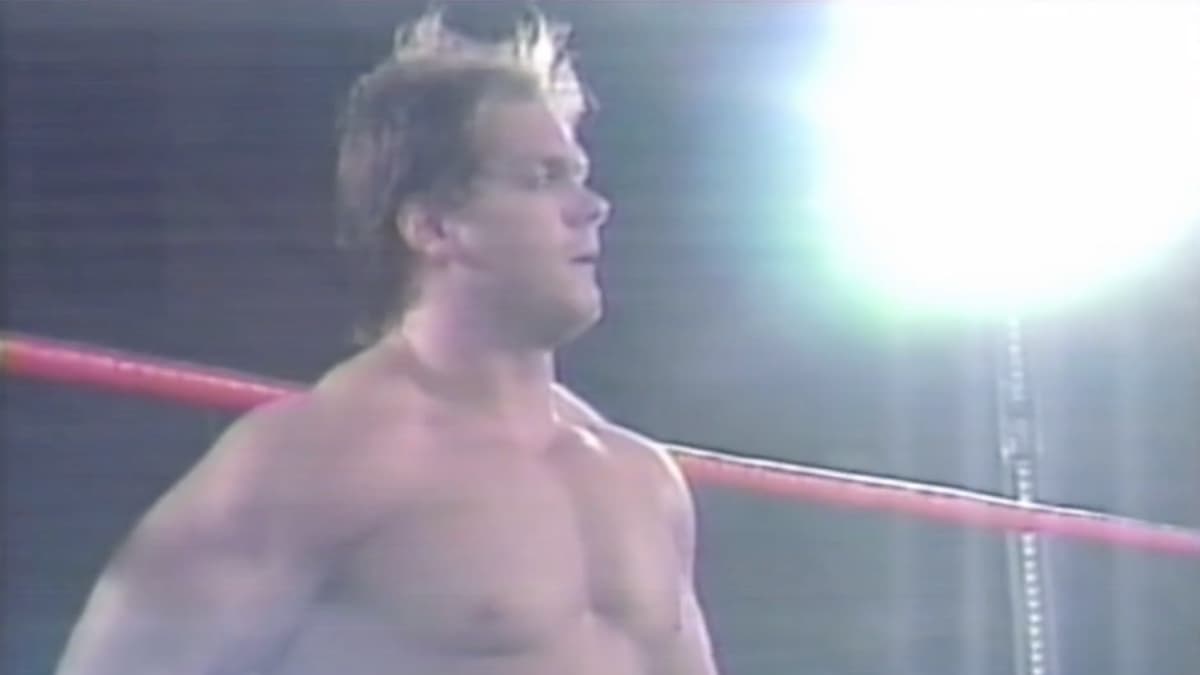
The NWA board decided to put the championship on reigning ECW Champion Douglas, but it wasn't a unanimous decision. Coralluzzo and NWA attorney Bob Trobich argued for Benoit to win the championship, so in order to get Coralluzzo's blessing for Douglas, Gordon agreed that Douglas would eventually lose the title to Benoit at a later date.
While some NWA board members filed away the notion of that Douglas/Benoit title match, Tod Gordon and Paul Heyman knew that it was never going to happen.
At some point before the tournament, Gordon and Heyman met with Shane Douglas to lay out a plan. The promoter and booker decided that if Coralluzzo and the NWA were going to meddle to such a degree, then they no longer wished to be associated with the National Wrestling Alliance. Rather than simply bow out graciously, however, they were going to make a show of their exit, and draw a few headlines in the process.
Heyman presented the plan to Douglas that upon winning the tournament and giving his victory speech, Douglas would publicly disavow the NWA Worlds Heavyweight Title, refusing to carry the near 50-year-old championship. He would then extol the virtues of ECW, declaring himself the champion not only of the young promotion, but of a new movement in the wrestling industry. In short, Douglas was asked to do something radical and revolutionary that could very well backfire on him and his bosses.
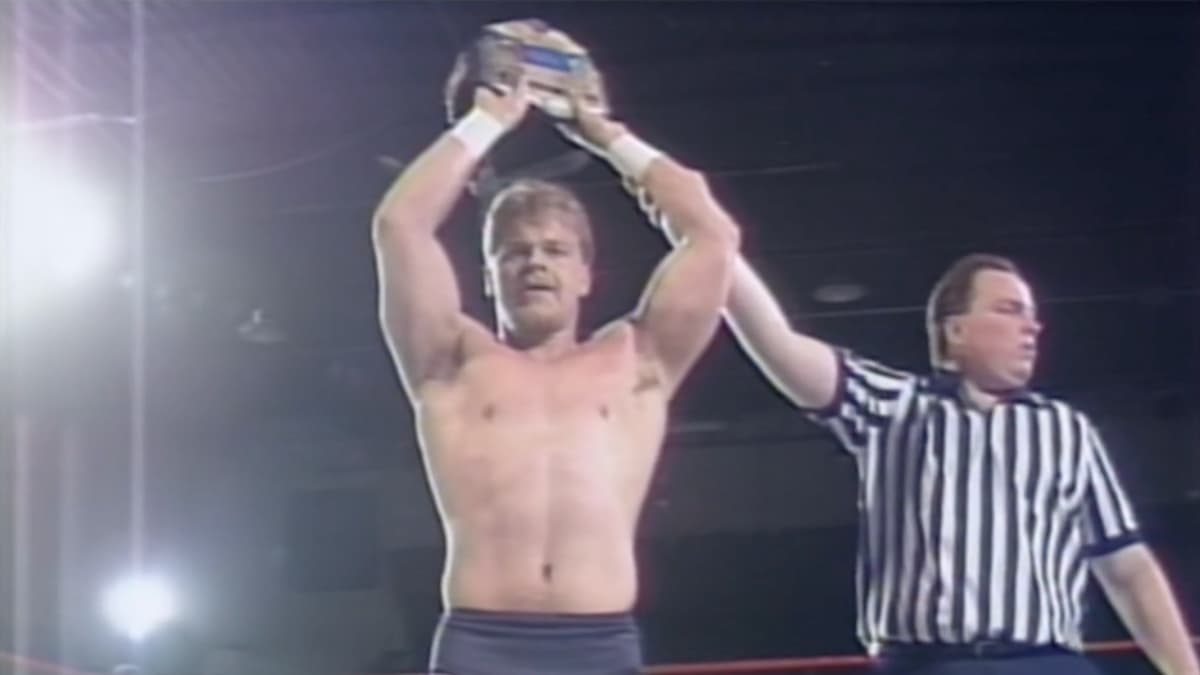
Understandably, The Franchise had reservations about doing what he was asked. For many reasons, Douglas was conflicted, but it was Coralluzzo - for whom Douglas was not the ideal choice of champion - that made his decision for him.
Three days before the tournament, Dennis Coralluzzo appeared on the radio show of Mike Tenay. As Douglas remembers, Coralluzzo buried him as unreliable during the interview, claiming Douglas was the type to take a promoter's money and then no-show an event.
Douglas not only denied that claim, but said at the time that he'd never even met Coralluzzo or dealt with him on a personal level. It mystified him as to why Coralluzzo chose to drag his name through the mud three days before the tournament in which Douglas was about to become his organisation's top champion.
Following this, Douglas was now leaning more heavily towards desecrating the NWA Title per Heyman's proposal, but even then, he knew he was going to be the focal point of a huge promotional gamble.
The tournament began inside the overheated ECW Arena on Saturday, August 27, 1994. Shane Douglas defeated Taz in the first round, while Dean Malenko forced Osamu Nishimura to submit, 911 squashed Doink, and 2 Cold Scorpio defeated Chris Benoit in an instant classic. In the semi-finals, Douglas outlasted Malenko, while Scorpio defeated the larger 911 via count-out.
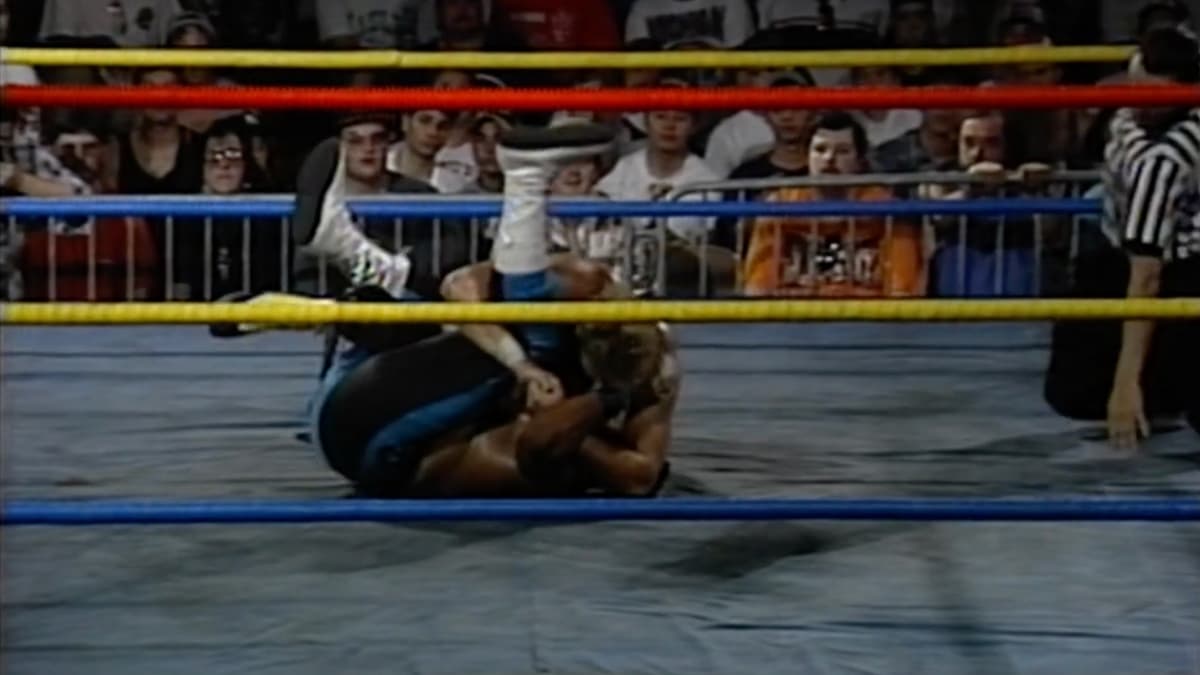
Douglas then met Scorpio in the anticipated final match, and pinned the high-flyer with his variation of the belly-to-belly suplex. As Douglas admitted later, even during that tournament final, he hadn't officially made up his mind about refusing the NWA belt in the aftermath.
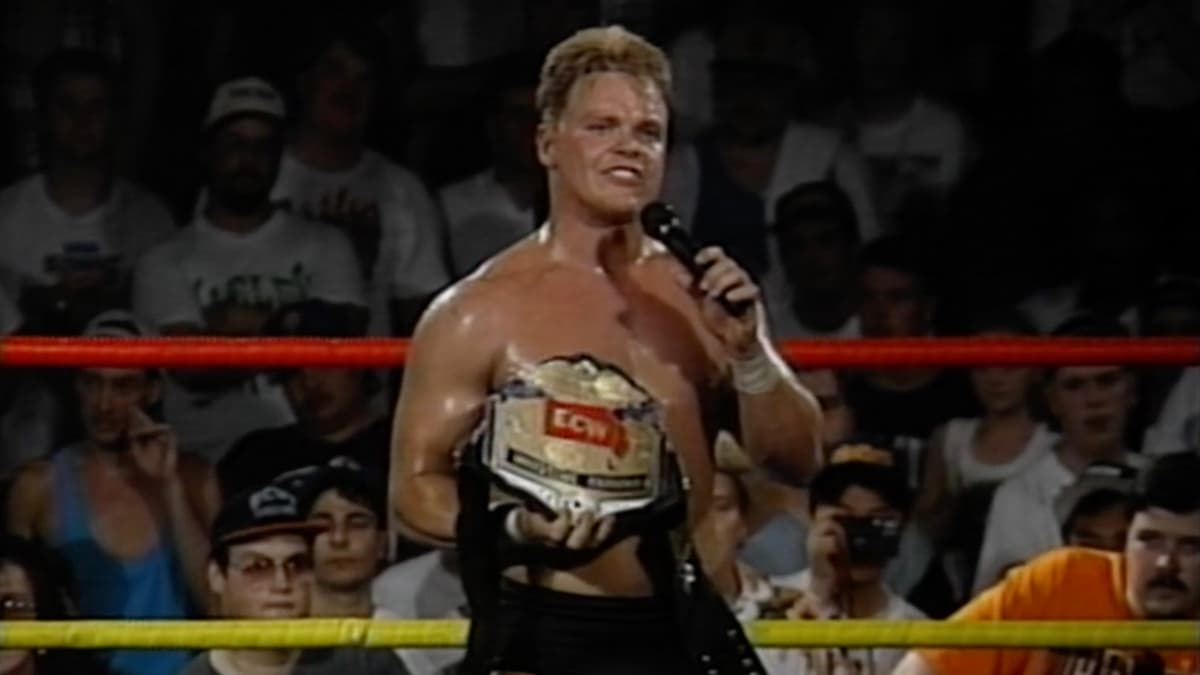
With Coralluzzo, Heyman, Gordon, and an arena filled with ECW revellers looking on, a winded, weary Douglas began his "acceptance speech", which he kicked off by mentioning all of the impressive names that held the title before him, including Lou Thesz, Jack Brisco, both Funk brothers, Buddy Rogers, Harley Race, Barry Windham, Dusty Rhodes, Kerry Von Erich, Ricky Steamboat, and, a man he didn't particularly care for, Ric Flair. In a later interview, Douglas noted that he listed off the names in part because he was stalling, still going back and forth in his head about what he was going to do.
Douglas hailed the legendary names, looked up to the heavens at his father, and complimented the championship's physical beauty. Then, as he remembered it, The Franchise briefly made eye contact with Coralluzzo, who was seated ringside near Gordon, and thought back to the hatchet job interview with Mike Tenay. That was when Douglas' tone grew coarse as he rasped, "and they can ALL KISS. MY. ASS." As he delivered that final word, Douglas dismissively sent the NWA Title belt tumbling to the canvas.
After a moment of mild commotion, Douglas continued what was now an impassioned tirade, saying he refused to accept the torch of a promotion that, in his words, "Died, RIP, seven years ago." He then declared himself the man who, "Ignites the new flame of the sport of professional wrestling."
Douglas then personally affirmed ECW's Title as an official world championship, while declaring a new era for the sport, for himself, and for ECW while the ECW Arena fans in attendance applauded this unexpected turn of events.
Meanwhile, Dennis Coralluzzo was understandably livid at what had just transpired. Heyman and Gordon reportedly tried to tell him that Douglas' actions were all an angle to enhance Douglas as a heel, but, of course, that wasn't true. In an interview backstage after the event, Coralluzzo called Douglas' actions a disgrace and claimed that since the double-cross occurred in NWA's jurisdiction, he would seek to have Douglas stripped of both the NWA and ECW titles.
Douglas already abdicated the NWA belt with the emphatic throw-down, so that was of no issue to anyone in ECW. As for the ECW Title, the promotion wasn't going to operate under the NWA's banner for much longer.
Tod Gordon delivered a speech on ECW television days after the infamous incident, declaring that he had folded NWA Eastern Championship Wrestling earlier that day in favour of his new venture, Extreme Championship Wrestling. The promotion then officially recognised Douglas as the ECW World Heavyweight Champion.
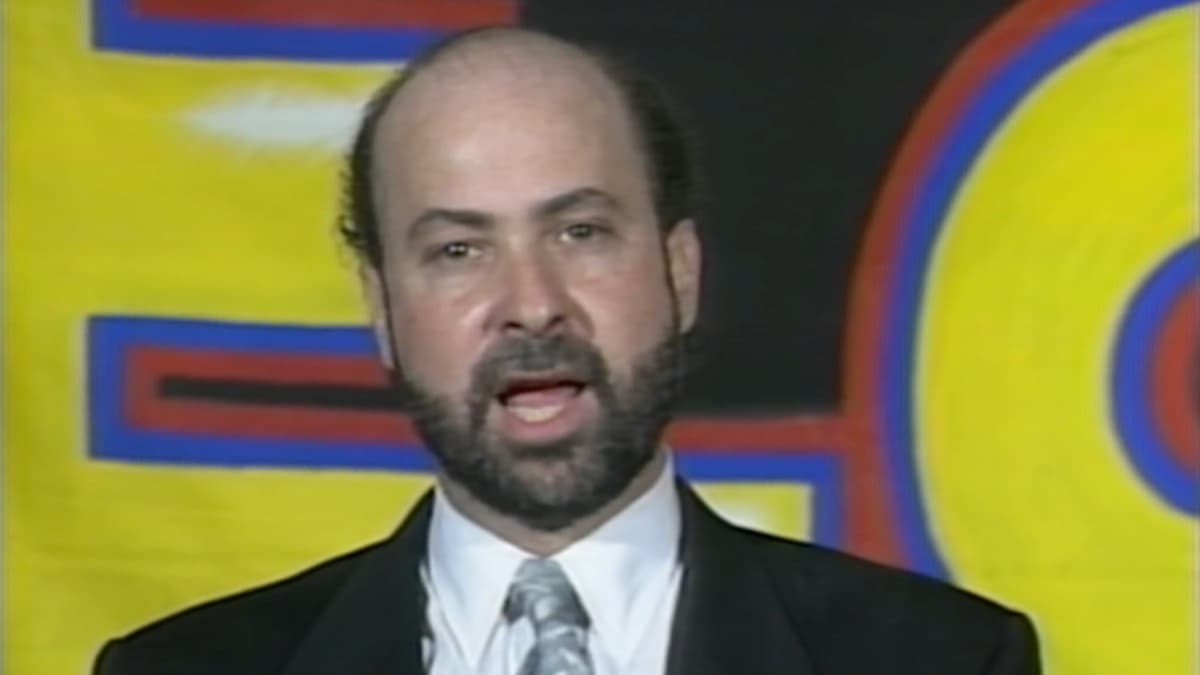
From there, ECW continued to thrive as a cult-centric revolution, through imaginative storylines, chaotic brawls, the pitting of world class talents against each other, and its general permeating sense of rebellion.
The NWA, by obvious contrast, had egg on their face following the debacle. They booked another tournament to crown a new champion three months later as part of a joint effort between Coralluzzo's New Jersey outfit and Jim Cornette's Smoky Mountain Wrestling promotion. This time, it was Chris Candido who came away with the gold, defeating Tracy Smothers in the final match.
In the decades since, earnest attempts have been made to legitimise the NWA and its world title, whether it was a national connection with the Jarretts' Total Nonstop Action enterprise, or a connection with Ring of Honor, or the latter-day Billy Corgan-operated venture with the studio wrestling revival.
In the spring of 1995, Tod Gordon sold his ownership stakes of ECW to Paul Heyman. He remained the figurehead authority figure on-screen until he exited the company in the summer of 1997.
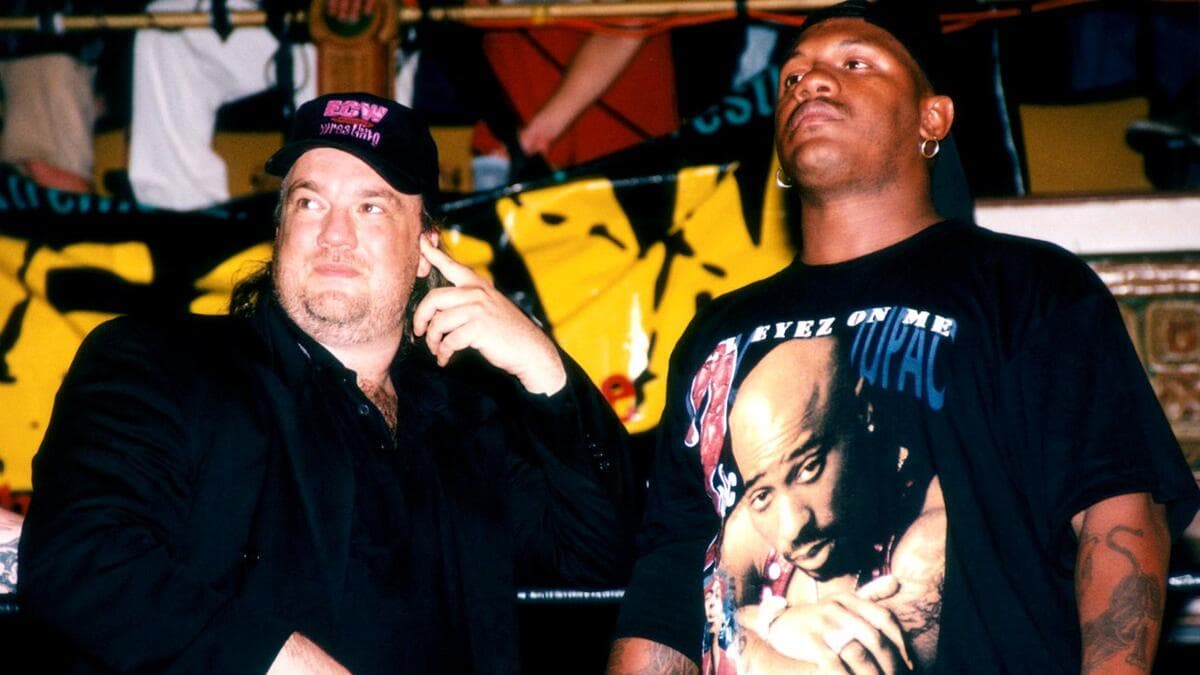
Around the time Heyman bought Gordon out, Douglas had dropped the ECW Title to The Sandman amidst preparations for a jump to WWF, a move that he would come to regret. By early 1996, Douglas was back in ECW and he reigned twice more as world champion before departing once again in 1999.
According to Jim Cornette, he agreed to do a surprise run-in at an ECW event in 1997 on the condition that Heyman make amends with Coralluzzo. Allegedly, after the three dined together, Heyman apologised to Coralluzzo and said he would allow his ECW wrestlers work his shows, which Heyman reportedly denied ever agreeing to.
Coralluzzo had stepped down as NWA President around a year after the throwdown incident, but remained a part of the organisation through the late 1990s, while continuing to promote events in the New Jersey area. In July of 2001, Dennis Coralluzzo passed away from a brain haemorrhage at the age of 48.
More than a quarter century has passed since the historic ECW-NWA double cross. Without it, we might not have experienced the ECW we would come to know, the highly-influential organisation that broke all the rules, inspiring larger companies to change up their own time-tested playbooks.
It's daunting to imagine how different wrestling today might be without all of this happening. When you stop and consider ECW's wide-reaching influence, how different are things if Heyman, Gordon, and, ultimately, Douglas chose to go along with the NWA and Coralluzzo?
To create a mushroom cloud of that magnitude, the conspirators in ECW had to renege on agreements, hurt some feelings, flout tradition, and risk burning bridges without a safety net in place. Yet, in the cutthroat world of professional wrestling, it somehow almost feels like business as usual.