Massive Ambition Meets A Once-In-A-Generation Talent: Hulk Hogan, Vince McMahon & The Birth Of Hulkamania
The true story of the birth of Hulkamania

May 18, 2026

The true story of the birth of Hulkamania
May 18, 2026
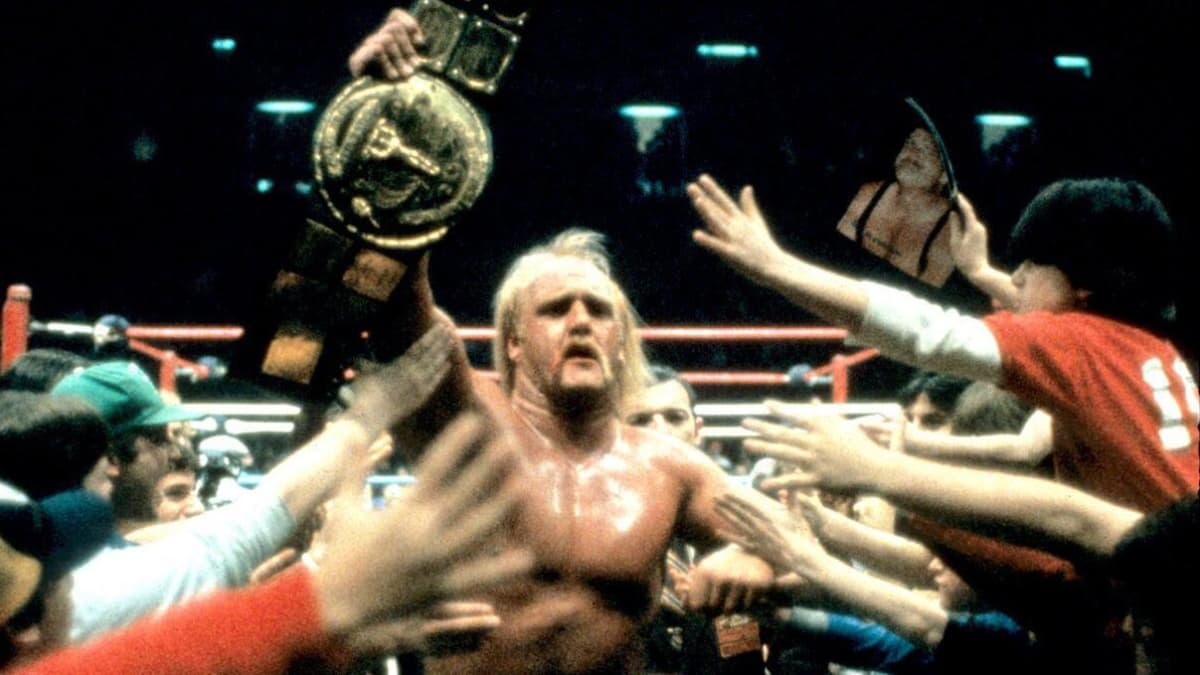
On a fateful night at Madison Square Garden in January 1984, professional wrestling in North America would never be the same again as Hulk Hogan defeated The Iron Sheik to capture the WWF Championship for the first time.
The plan to put the WWF Title on Hogan was the idea of Vincent Kennedy McMahon, then Vince McMahon Jr., who had only been the owner of the WWF for a couple of years and was intent upon expanding the pro wrestling company across the United States of America and Canada.
That expansion was not complete by the time the belt was placed around Terry Bollea’s waist, but a partnership had been formed and it would take the World Wrestling Federation to new heights as Hulkamania took the 1980s by storm, changing the business forever.
As the World Wide Wrestling Federation moved from the 1970s into the 1980s, major changes were on the horizon for the promotion owned by Vincent J. McMahon, who assumed full ownership of the New York promotion in the early 1970s after he bought out Toots Mondt. At the close of the decade, the promotion had undergone a name change, reverting to simply the World Wrestling Federation, while the company was back in the National Wrestling Alliance. There would soon be a change of ownership, however.
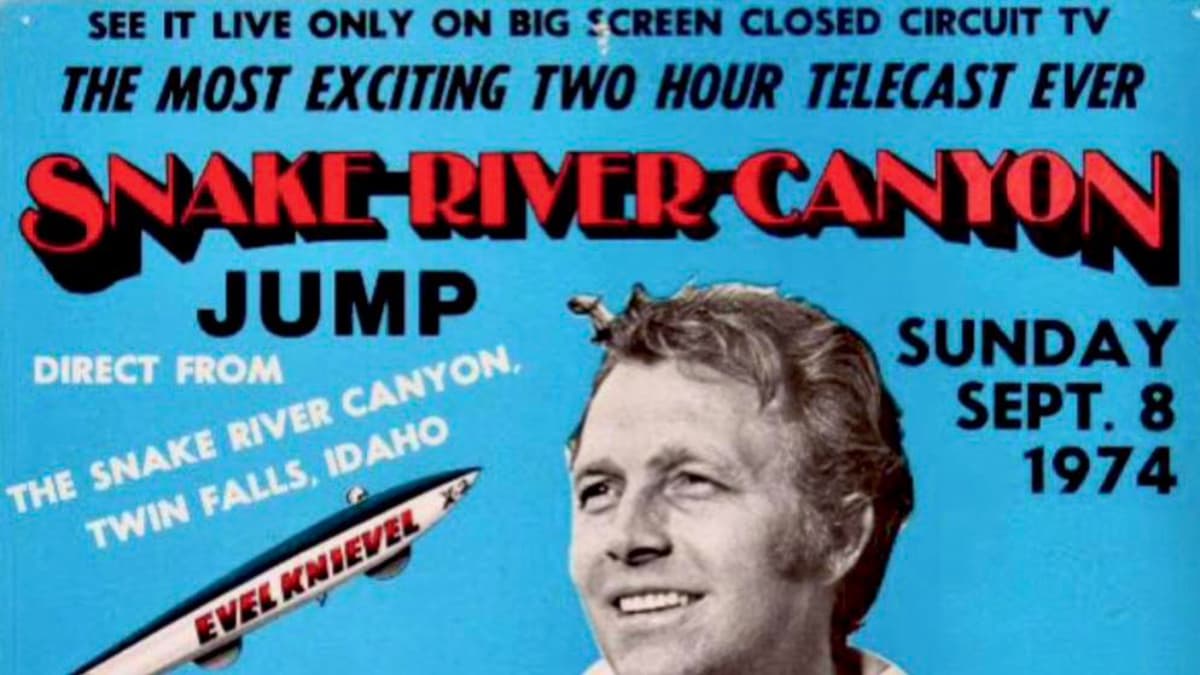
In February of 1980, Vince Sr's son Vincent Kennedy McMahon co-founded his own company, Titan Sports, with his wife Linda. A familiar face to WWF fans since the early 1970s, McMahon served his father's organisation as the lead announcer. While the younger McMahon was effective in his broadcasting role, he wanted to become a fully-fledged promoter. Early forays saw Vincent K. run shows in Maine at his father’s behest, while he also staged infamous spectacles like Evel Knievel's Snake River Canyon jump and Muhammad Ali vs. Antonio Inoki.
Through these unconventional endeavours, McMahon was learning valuable lessons about the promotional game, while biding his time. Vincent J. was approaching 70, and had recently moved to Fort Lauderdale. The younger Vince likely understood his father was eyeballing retirement.
Come 1982, Vincent J. talked of selling the Capitol Wrestling Corporation, and his son made it clear he wanted to be the buyer. To acquire the company, though, McMahon had to not only buy out his father, but the other CWC shareholders in Gorilla Monsoon, wrestler-turned-manager Arnold Skaaland, and longtime company treasurer Phil Zacko.
Flanked by his friend and adviser Jim Troy, McMahon flew into Manhattan in June 1982 to meet with the four shareholders. There, McMahon laid out a precarious offer, one described in Sex, Lies, and Headlocks as, "held together with rubber bands", due to the financing being a mixture of bank loans and theoretical earnings.
Following the liquidation of Capitol's surplus funds, Titan Sports would pay out $1 million across four installments to the shareholders over the next year. There were also concessions therein which would take care of the shareholders long-term, like Monsoon and Skaaland earning more than the average wrestler's pay per show. It was a major risk for the younger McMahon, however, as if he defaulted on a single payment over the next year, he would forfeit all of the acquired shares back to the quartet.
With the risks in mind, all parties signed off on the deal, making Vincent Kennedy McMahon the owner of the World Wrestling Federation.
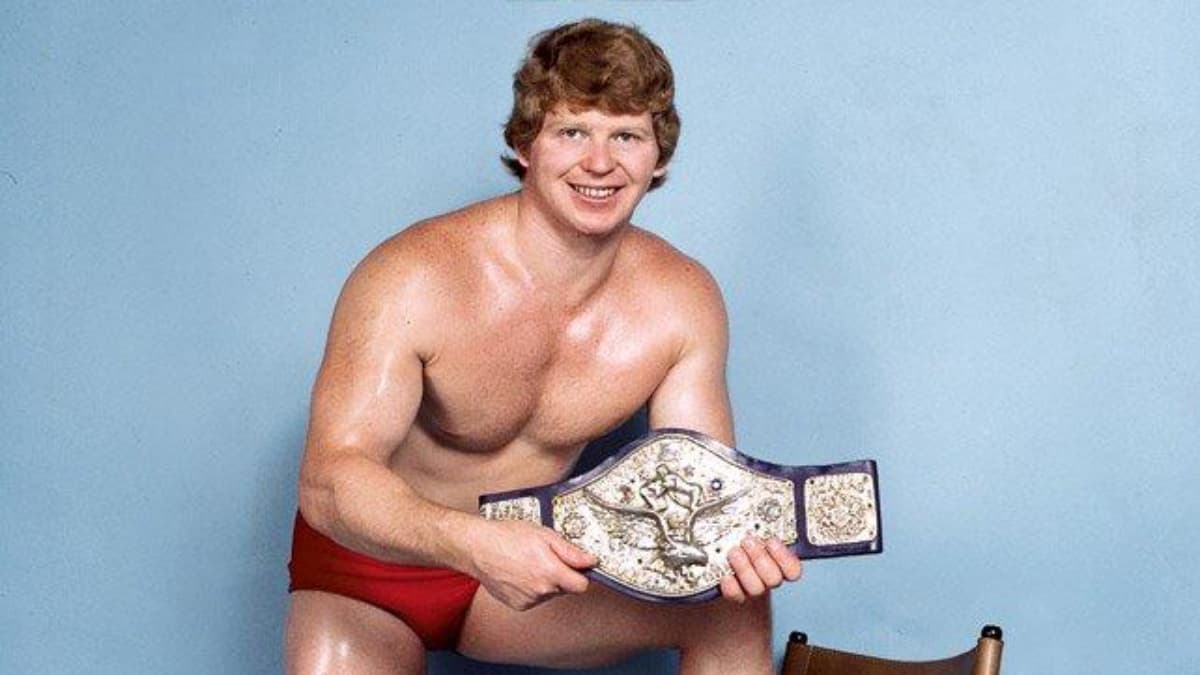
At the time of McMahon’s purchase, the WWF was populated by a diverse roster. The reigning WWF Champion was Bob Backlund, who by this point was four years deep into his reign as champion. The precipice of McMahon's revolution, Backlund embodied the virtuous champions of old, packing the spirit of a gladiator into the body of a crosstown athletic mortal.
Then there was former WWF Champion Pedro Morales, who at this time was in his second reign as Intercontinental Champion. Other stars included Jimmy Snuka, Greg Valentine, Tony Atlas, The Fabulous Moolah, tag teams Mr Fuji & Mr Saito and Chief Jay Strongbow & Jules Strongbow, Blackjack Mulligan, and none other than Andre the Giant.
Andre was said to have stood seven feet four inches tall, and while that may have been a slight exaggeration, he was still the largest man most people had seen, and many folks wanted to see a globally-renowned attraction like Andre. Not bound to one territory, the Eighth Wonder of the World saw much of that world as one of the industry's most well-traveled, handsomely-paid headliners.
From the time Vince McMahon Jr. bought his way into the WWF command centre, this was the array of top talent he had at his disposal. On paper and in practice, it was an impressive roster. McMahon knew it could be even more impressive, though, and he also believed that New York-style wrestling could work well in any state, region, or country. In a territorial industry, Vince McMahon was ready to begin invasions.
In a 1991 interview with Sports Illustrated, Vince McMahon stated that had his father known at the time what his plans for the World Wrestling Federation were, he never would have sold him the company. What McMahon Jr. planned to do was turn professional wrestling in the United States on its head.
Months following his purchase of the WWF, Vince met with NWA Hollywood promoter Mike LeBell. By the early 1980s, the once-thriving Los Angeles territory was struggling mightily. Wrestlers began baulking at the paltry payoffs, and attendance was falling.
LeBell had a longstanding connection to the McMahons as he had formed the Atlantic and Pacific Wrestling Corporation in 1976 with Vince Sr. When the elder Vince cashed out of pro wrestling, LeBell pondered his own exit strategy and in October of 1982, LeBell sold his shares in several ventures to Vince Jr. for just north of $1 million, the most notable of which was his ownership of NWA Hollywood and all promotional rights to the LA territory. As part of the arrangement, LeBell would become a regional WWF representative, supplementing and promoting cards in the LA territory as he had for decades, albeit now in WWF colours.
McMahon was also able to wrangle a Saturday morning time slot on LA station KHJ channel 9, giving his product a raised pulpit on both coastlines, while NWA Hollywood officially went under on December 26, 1982. Ten weeks later, the WWF ran San Diego and Los Angeles for the first time, staging stacked 10-match cards that included WWF Champion Bob Backlund, recently-crowned Intercontinental Champion Don Muraco, longtime California stars Pat Patterson and Ray Stevens, and touring trump card Andre the Giant.
With the move, McMahon now held promotional rights to the United States’ two largest media markets, but not everybody was keen to allow the WWF’s expansion without a fight.
For more than a decade prior, the McMahon touring loop had extended into the eastern-most part of Ohio, with stops like Steubenville and Hubbard practically on the Ohio/Pennsylvania border. In early 1983, McMahon acquired TV in the Ohio city of Akron, with the spot giving the WWF a TV foothold into Cleveland. The WWF then ran a house show at an Akron high school that February.
The WWF started holding shows in other towns in Ohio, although they primarily remained close to the Pennsylvania border. While McMahon had showed a willingness to go west, most of Ohio at that time was under the jurisdiction of Ole Anderson, the promoter of Georgia Championship Wrestling.
Though Georgia was nominally the territory's home, Anderson and co. ran the Buckeye State regularly, hitting bigger cities like Dayton, Toledo, Cincinnati, and Cleveland. Unlike Mike LeBell, Ole Anderson wasn't going to relinquish any of his territory so easily.
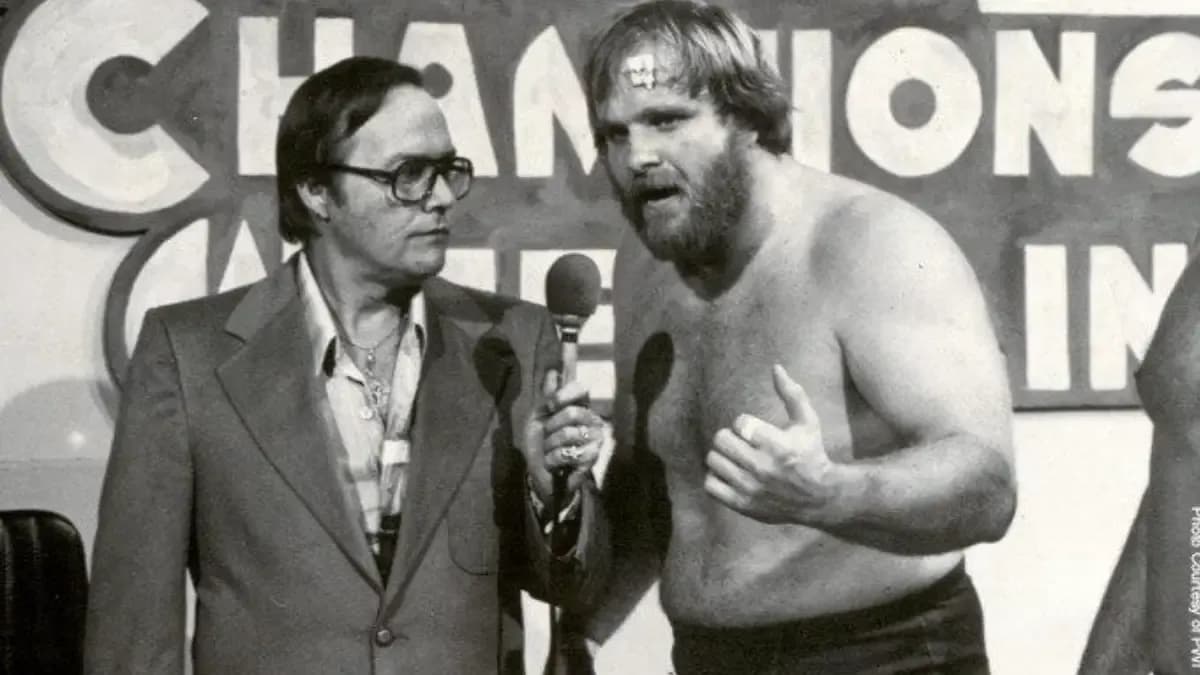
For the time being, McMahon simply dipped his toes into Ohio, just as he was doing with the state of Virginia, a known Jim Crockett Promotions stronghold. In the spring of 1983, McMahon ran the Virginia cities of Leesburg and Fairfax, barely tucked beyond the Virginia/Maryland border.
Meanwhile, back home, things continued to look up for the WWF. Madison Square Garden was routinely selling out to the tune of over 25,000 patrons, with several thousand of them packed into the adjoining Felt Forum for closed circuit viewing.
With McMahon increasingly at odds with his NWA colleagues, the National Wrestling Alliance met in Las Vegas in August 1983 for their annual multi-day convention. The most notable animosity remained with Ole Anderson as not only had McMahon irritated Anderson by looking to expand in Ohio, but he had booked Paul Orndorff on a pair of California cards in April of that year. Orndorff, who had been a GCW headliner and had been the territory’s National Champion just one month prior, wasn’t booked strongly and he lost to local undercard wrestler Billy Anderson in Los Angeles before he wrestled 54-year-old Chief Jay Strongbow to a draw in San Diego the following day.
As Tim Hornbaker wrote in Death of the Territories: "McMahon didn't miss a chance to potentially devalue his rival, and the move was demonstrative of his hard-nosed approach to the business."
Faced with McMahon's calculated aggression, Anderson's response was to book some of his GCW cards in Vince's Pennsylvania B-towns. Additionally, a week before the NWA convention, a curious match took place in Augusta, Georgia in which Georgia regular Chief Joe Lightfoot wrestled an obscure individual billed under the name Vince McMann. Little is known about the match, but since Ole booked it, he clearly bore little love for his fellow NWA member, who was soon to be a former NWA member.
The Las Vegas meeting was tense and unsteady, with much of the acrimony revolving around territories gaining television clearance outside of their home market. All the promoters were protective of their turf, and wary of anyone that crossed the invisible lines, innocently or not.
After attempts at rational discourse on the matter of promotional trespassing, Ole Anderson stood up and called out McMahon for running TV in his Ohio markets. He vowed retaliation via Pennsylvania expansion, as the meeting descended into loud arguing, being a hostile cacophony among powerful men.
As a young Bret Hart, who attended the meeting with father, Stampede promoter Stu Hart, remembered, McMahon, "stood up in the midst of the commotion and simply walked out."
McMahon was pulling the WWF out of the NWA. As he explained in a later interview with Sports Illustrated, "I ... had no allegiance to those little lords."
Chaos was already in the air from the convention's onset following the shocking resignation of NWA secretary and treasurer Jim Barnett. A three-decade veteran of the Alliance, Barnett was the personal booker of the NWA Worlds Heavyweight Champion, but one reason for his resignation was difficulties with Ole Anderson, especially as Barnett was a shareholder in Georgia Championship Wrestling.
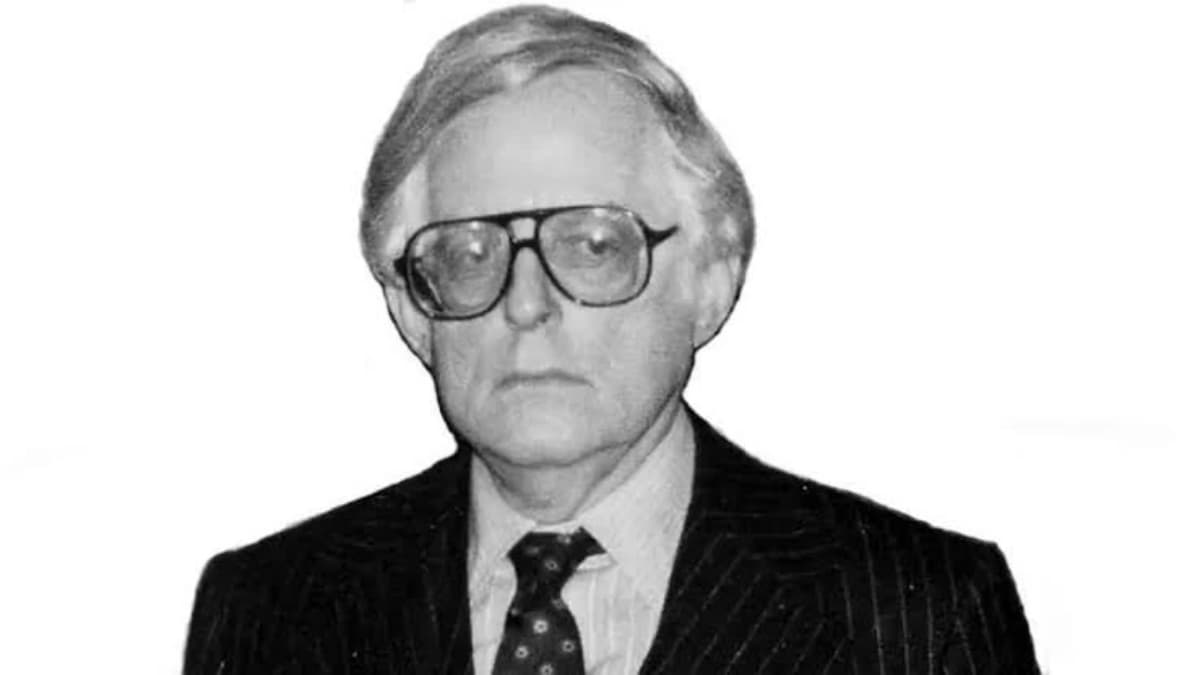
What Ole Anderson didn’t know at that meeting was that Vince McMahon had already struck a deal with Jim Barnett for the promoter to join Titan Sports and assist him with his territorial expansion. Barnett maintained his stock in Georgia as he covertly got to work aiding Vince.
A week after the convention, Vince Sr. penned a sincere letter to promoter and NWA President Bob Geigel, informing him of his own resignation from the Alliance. While he may not have cared for his son's line-stepping, he had no say in what was now Vincent K's operation. With that, there were no more New York links to the NWA, just as Vince McMahon Jr. wanted it.
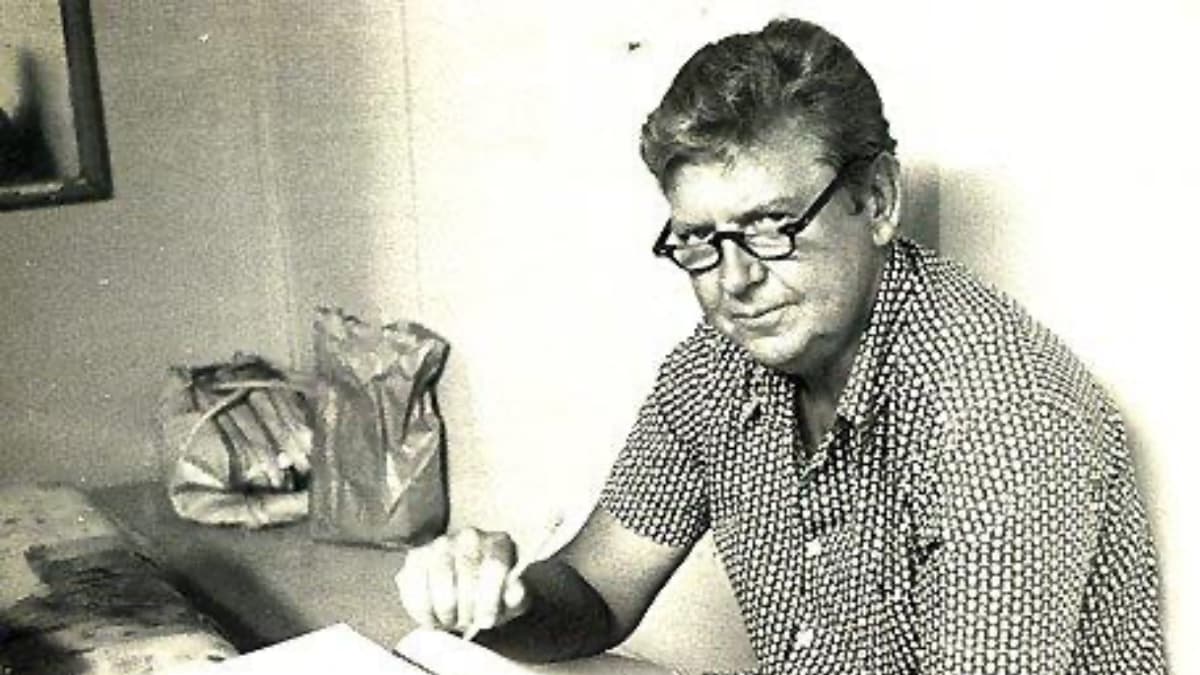
The national push soon continued, with WWF adding a number of Georgia Championship Wrestling stars to their roster in Masked Superstar (the future Demolition Ax), Tony Atlas (after a year away), and The Iron Sheik was back in the WWF after three and a half years away, returning in September 1983. Two months later, Paul Orndorff returned, now in New York for the long haul.
When Vince McMahon wasn't acquiring valuable talents from Georgia, he was picking up cable time slots from other companies. Dating back to 1980, the USA Network had aired WWF house shows from Madison Square Garden and from Landover, Maryland’s Capital Centre. On the final Sunday of August in 1983, though, the WWF broadcast a weekly series on USA for the very first time.
Originally, the Sunday morning time slot belonged to Joe Blanchard's Southwest Championship Wrestling, but a combination of missed payments to the network and USA objecting to airing one particularly bloody match cost Southwest its program. The WWF quickly scooped up the slot for themselves.
Titled All-American Wrestling, the WWF had a weekly national outpost for showcasing its stars - as well as, for a period, matches from other territories. Though gone from the NWA, it seemed at the time like McMahon was still willing to play nice with anyone who wasn’t Ole Anderson.
The McMahon-Anderson war continued in Ohio too. In late August 1983, the WWF gained TV clearance in Cincinnati, with Jim Barnett's help. Shortly after, the WWF not only picked up a television foothold in Dayton but also signed an exclusive deal with the 5500-seat Hara Arena, locking Anderson out of one of his venues.
That October, the WWF bulldozed their way into Cincinatti and Dayton with their stars at the front of the charge. Both cities remained monthly stops for the foreseeable future, with Jimmy Snuka, Sgt. Slaughter, Masked Superstar, and other former Georgia mainstays in featured matches as an appeal to the locals that recognised them.
Vince didn't always get his way, however. Though McMahon allowed some non-WWF matches to air on All-American Wrestling, the other promoters soon learned that McMahon had no problem ripping the heart out of the NWA if given a chance. This was made evident by what he had attempted that November.
On Thanksgiving night, NWA Worlds Heavyweight Champion Harley Race was going to drop the title back to the man he won it from five months earlier in 34-year-old Ric Flair. Their Steel Cage Match was set to headline the first-ever Starrcade, taking place in Greensboro, North Carolina via Jim Crockett Promotions. The impending title change was important to the NWA's future, as the then-seven-time champion was winding down his career and would be passing the torch to ascendent Flair in grand fashion.
However, several weeks before the title match, Race was summoned to New York to meet with Vince McMahon. There, McMahon laid out a staggering offer of $250,000 if he no-showed Starrcade and brought the belt to his organisation. McMahon had plans for the NWA Title that would involve legitimising his next big babyface champion at the expense of the national governing body. However, Race declined. He considered himself loyal to the promoters that allowed him to be champion seven times to that point and Race didn't feel he could look himself in the mirror if he chose money over honour. Subsequently, Race dropped the belt to Flair at Starrcade, as was ordained.
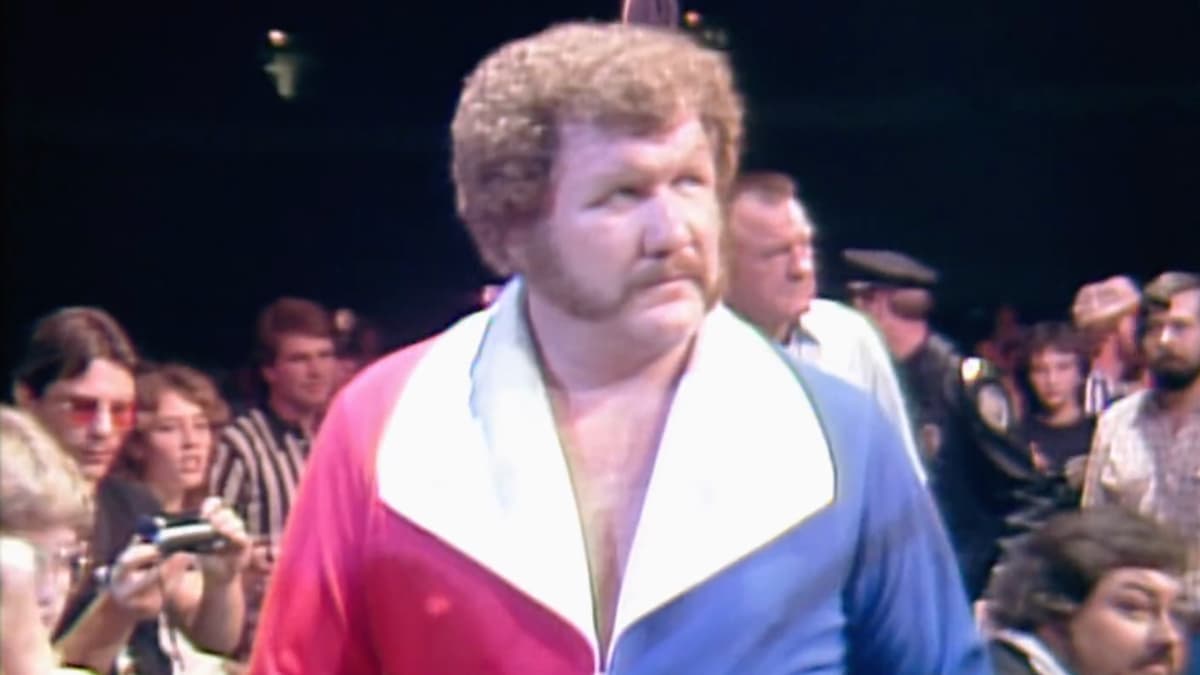
Though Vince McMahon missed out on making that seismic splash, the good times kept rolling in his WWF, and an incident at the end of 1983 would pave the way for bringing in someone who would end up being one of the company’s biggest ever stars.
On November 14, 1983, 30-year-old Hulk Hogan won two matches at an AWA house show in Phoenix, Arizona, defeating Jerry "Crusher" Blackwell in singles competition, before winning a show-closing battle royal.
The American Wrestling Association had been Hogan's promotional home in the United States since the summer of 1981, though he had been a prolific rulebreaker in the WWF up until earlier that year. As the story goes, the sinewy, magnetic Hogan had accepted a part in Rocky III. For many non-wrestling fans, their first brush with Hulkamania came through a humorous boxer vs. wrestler exhibition pitting Rocky Balboa against Thunderlips, The Ultimate Male.
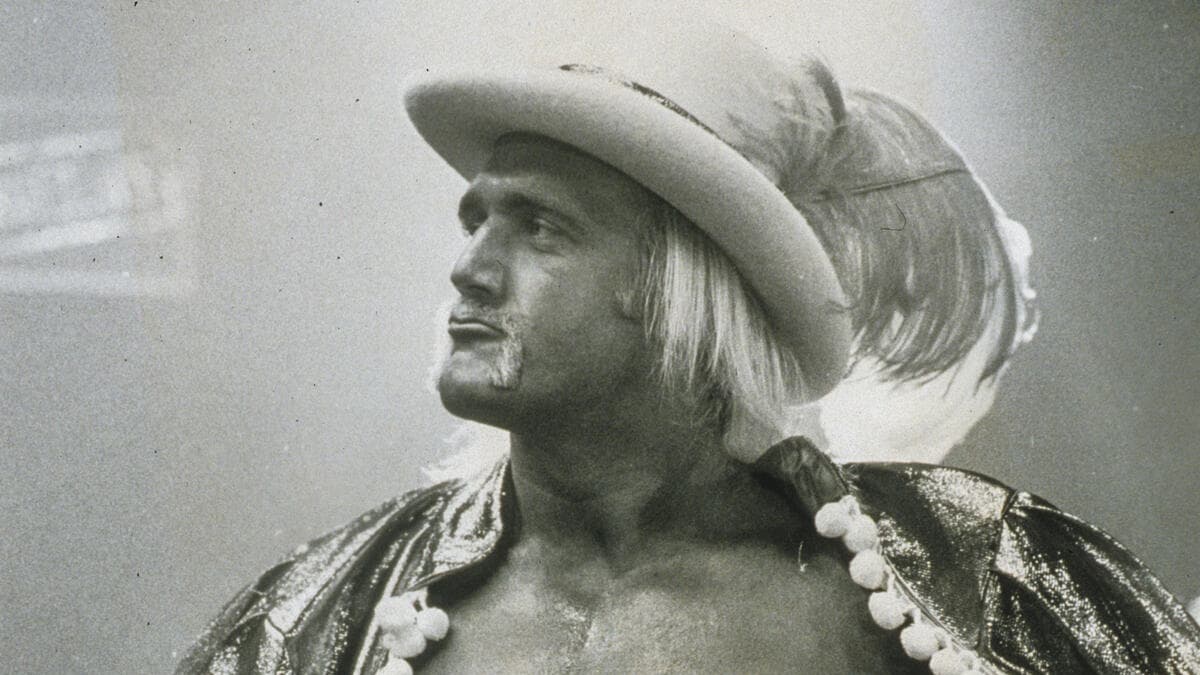
In taking the part of Thunderlips, however, Hogan fell out with Vince Sr, who disapproved of Hogan taking on a movie role. After filming his part, Hogan wouldn't return to the WWF, instead taking up residence in Verne Gagne's AWA.
Though initially a heel in the AWA, Hogan turned babyface speedily enough thanks to heavy crowd response for the magnetic heavyweight. While a clear co-opter of the Superstar Billy Graham mode of presentation, there really was nobody like The Hulkster in all of wrestling. The muscles, the golden mane, the unique posturing and emoting, the relative grace for a man of his build and size - not to mention the way he oozed personality from every pore - Hogan was a revelation in a changing industry. Going toe-to-toe with The Italian Stallion on the silver screen only made him cooler.
For more than two years that followed, Hogan was one of the AWA's biggest and brightest stars, almost inarguably the most popular figure in the organisation. A run with the AWA World Title seemed all but inevitable, but it never materialised. After those aforementioned matches at the Phoenix house show, Hogan never wrestled for the AWA again.
At the time, the AWA was a hot promotion, with an impressive roster of genuine stars, and an extra-large promotional reach. Based in Minnesota, the AWA was running cards not only in the Twin Cities, but also in Chicago, Milwaukee, Denver, Las Vegas, and San Francisco.
Encompassing so much of the US map is a big reason why Vince Jr. tried to buy the AWA in the summer of 1983. As Verne's son Greg remembered, they were at least willing to listen to an offer, and met with McMahon that August. While things were said to have gone cordially enough, the mood took a weird turn after the meeting, when they took Vince back to the airport. As they dropped McMahon off, he turned back to the Gagnes and boldly declared, "I don't negotiate."
While Hogan had proven himself to be the hottest star in the AWA, Verne Gagne had refused to put the championship on him. Verne held the antiquated belief that the world champion needed to have legitimate wrestling credentials, and Hogan, a body guy with a limited move-set, didn't meet his requirements to hold the belt, crowd response be damned.
That didn't stop Gagne from putting Hogan in the world title picture, as Hulk had been challenging lead heel Nick Bockwinkel for the gold as far back as early 1982. The finishes were always a disqualification to protect Hulk, with "Dusty finishes" even being employed to give Hogan a visual win, before pulling the rug out from underneath the coronation.
This was the case at AWA Super Sunday in April 1983, before over 20,000 fans at the St. Paul Civic Center. After over a year of chasing Bockwinkel, it looked like Hogan's day had finally come. Late in the match, following some referee bumps, Hogan suplexed the drained Bockwinkel from the apron back into the ring, before crushing him with his famed leg drop. A groggy James Blears slowly administered the three count to give Hogan the win and the title. 'Eye of the Tiger' reverberated throughout the Civic Center, as the crowd wildly rejoiced.
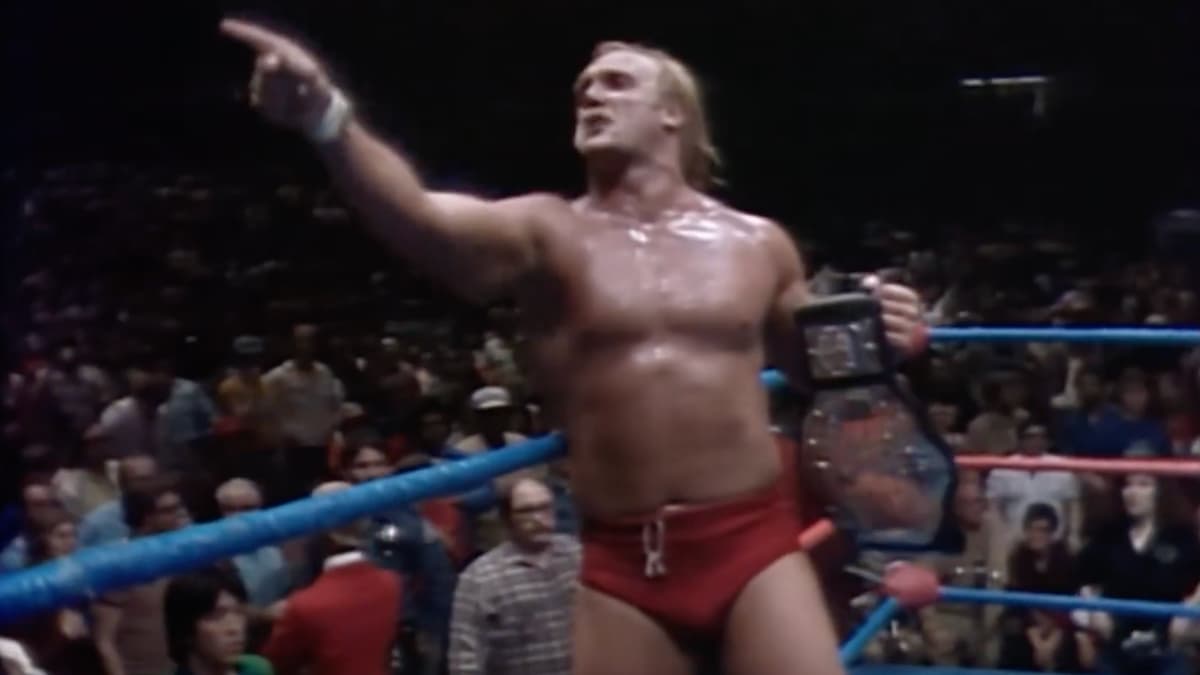
However, it turned out that Hogan illegally threw Bockwinkel over the top rope during the referee’s slumber, thus AWA President Stanley Blackburn was reversing the decision. Understandably, the crowd was livid, chanting "bullsh*t" and throwing trash at the ring. It was the same hackneyed, unsatisfactory finish that Hogan vs. Bockwinkel matches had relied on for far too long, and the company's top hero was deprived of the gold once more.
Feeling messed around by the short-sighted booking, and in part due to disputes with Gagne over his cut of merchandise sales, Hogan decided to make the leap to the World Wrestling Federation. Not only was Vince McMahon Jr. unbothered by Hogan appearing in Rocky III, but McMahon saw Hogan’s total presence as the idealised centrepiece of his ambitious expansion.
While Hogan was touring with New Japan Pro-Wrestling in November of 1983, McMahon was able to sign Terry Bollea back to the WWF. As a bonus, Hogan was able to secure jobs for some of his AWA running buddies, including "Dr. D" David Schultz, Adrian Adonis, and Dick Murdoch. He also helped bring in Mean Gene Okerlund, keeping the industry's most famous wrestler/interviewer combination together.
By December 1983, Bob Backlund had been recognised as WWF Champion for nearly six years, and Vince McMahon saw the workmanlike champion as being too anachronistic for his vision.
Even before McMahon got Hogan to put pen to paper, he knew Backlund's days as champion were numbered. Hogan embodied the wave of the future, and Vince couldn't put the belt on him fast enough.
However, Backlund wasn't too keen on dropping the title to Hogan. Sharing a similar mindset to that of Verne Gagne, Backlund didn't think much of Hogan's wrestling prowess. Backlund was also against the suggestion of a heel turn in which he would dye his hair black and demonstrate a mean streak prior to Hogan defeating him.
To placate Backlund, the WWF decided to use a transitional middleman. The Iron Sheik held a legitimate amateur background, winning a gold medal in greco-roman wrestling in the 1971 National AAU championships and he was also a coach on a pair of Olympic wrestling squads.
The Iron Sheik as a transitional champion also made sense in storyline. Backlund and Hogan each embodied Americana in their own ways, while Sheik's constant praise of his homeland served to remind American fans of the Iran hostage crisis from several years prior. In a business filled with classic foreign heels, the outspoken Sheik was supreme.
On December 26, 1983, more than 25,000 fans at Madison Square Garden watched as Sheik gleefully exploited Backlund's injured neck, which Sheik himself had battered in a TV angle, using one of his trademark Persian clubs. With Backlund prone, Sheik locked on the camel clutch, wrenching the helpless champion's neck.
Moments after the hold was sunk in, Backlund's manager Arnold Skaaland threw in a towel to indicate surrender, a booking concession that would allow Backlund to still look strong in defeat, as he never quit.
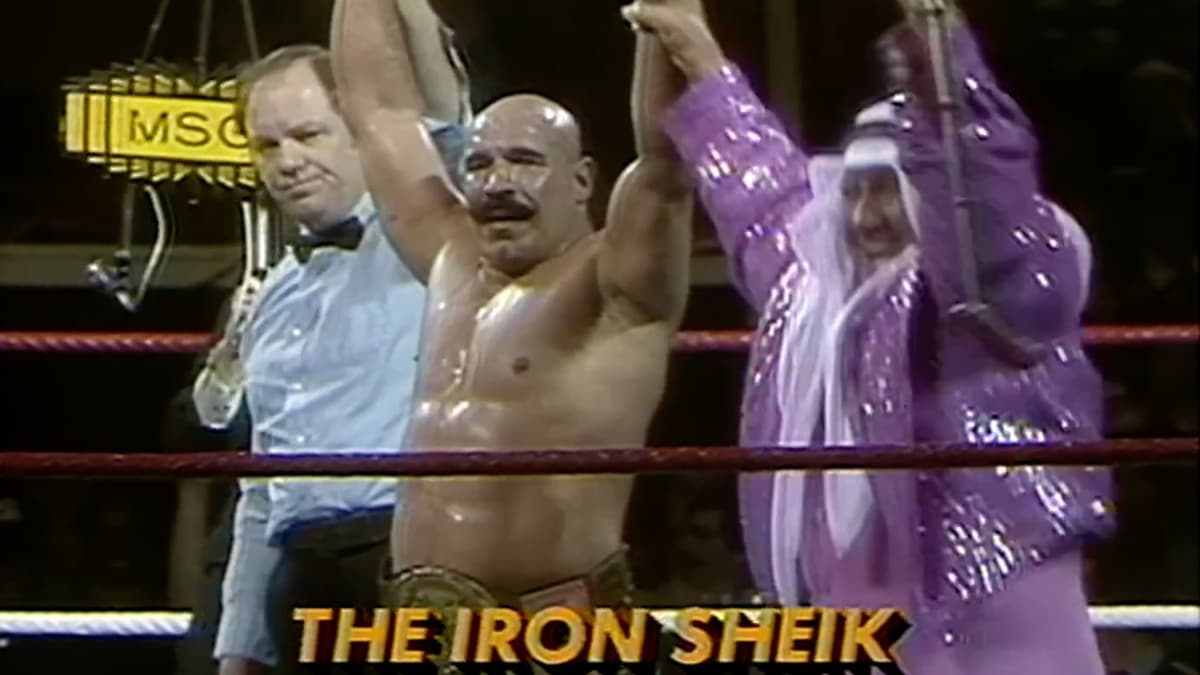
The crowd reacted in shock as The Iron Sheik was announced as the new WWF Champion, while "Classy" Freddie Blassie merrily fastened the belt around the new champion's waist.
The following day, the WWF held a TV taping at a brand new location for themselves in the Chase-Park Hotel in St. Louis. Dating back to the 1950s, the NWA's St. Louis territory, founded by promoter Sam Muchnick, had broadcast Wrestling at the Chase from the venue. The program ran for nearly 25 years before broadcaster KPLR-TV ended the relationship in September 1983.
After Muchnick retired the prior year, St. Louis was purchased by a consortium that included Kansas City promoter Bob Geigel. After falling out of favour with Geigel, former St. Louis announcer and executive Larry Matysik ran opposition events, before inking a deal with McMahon. KPLR director Ted Koplar also signed on with McMahon, opening the door for Vince to enter the Gateway City with more local TV clearance.
McMahon oversaw a resumption of Wrestling at the Chase, now painted with his Federation hues. The inaugural taping on December 27 included the debuting Okerlund, Schultz, and Murdoch, the returning Adonis, and of course, Hulk Hogan.
For the episode that would air on New Year's night 1984, Hulk Hogan demolished Bill Dixon in just over three minutes. Less than 24 hours after Backlund lost his crown, Hogan began his expedited campaign to the top of the mountain.
The next step in fast-tracking Hogan to the title came at the Allentown tapings on January 3. There, a beltless Backlund went one-on-one with the junior member of the Wild Samoans, Samula. Constant interference from the other Samoans and Captain Lou Albano led to Hogan making the save. Backlund soon won by DQ, and Hogan helped the deposed titleholder take out the villains.
After the match, Backlund gave Hogan a glowing endorsement as a babyface hero, explaining to the fans that the once-nefarious Hulk had changed his ways, and claimed that he was the future of the WWF. While Backlund was apparently not too thrilled with giving this endorsement, he was reportedly talked into it by Vince Sr, aiding his son by making sure his grand vision happened without any issues.
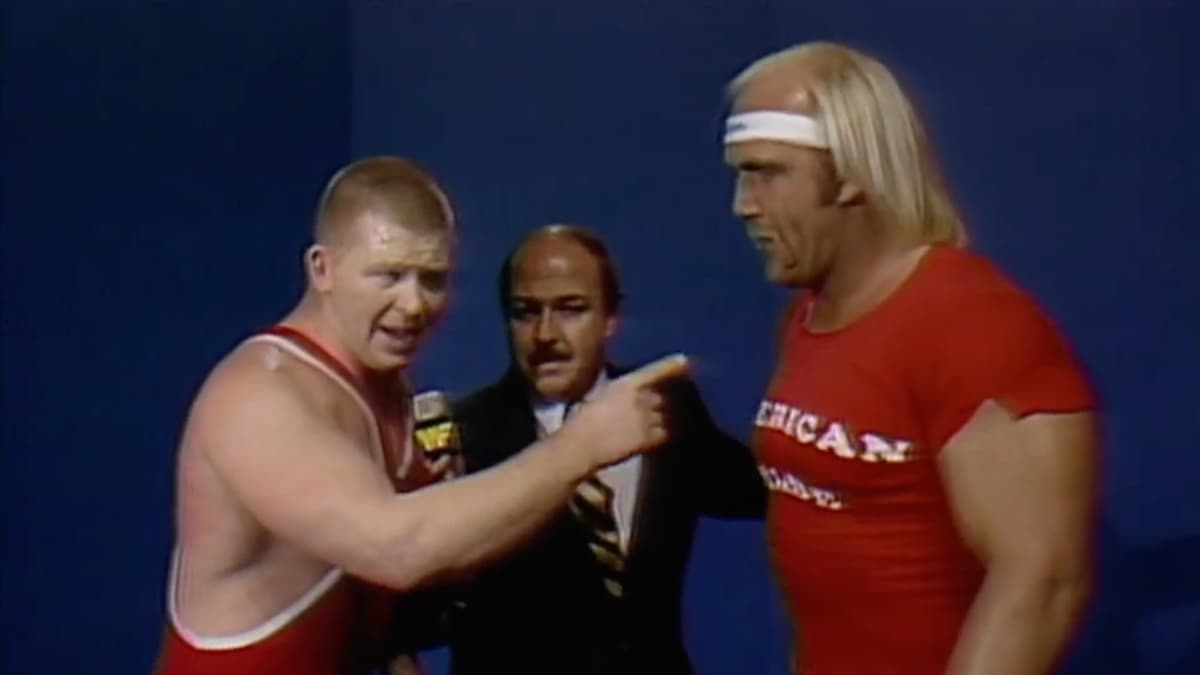
A few quick TV wins later and Hogan was ready to assume the throne. Original announced plans for the January 23, 1984 card at Madison Square Garden had The Iron Sheik defending his belt against Bob Backlund in a rematch. But, as the kayfabe went, Backlund's neck was still flaring up, so a substitute would instead get the first chance to defeat the America-hating Sheik. That subsitute, of course, was Hulk Hogan.
The plan was for Hogan to capture the WWF Championship but, in another timeline, something could have ended up going very, very wrong. Though the story's veracity has been disputed, Sheik himself has alleged that a vengeful Verne Gagne offered him $100,000 to break Hogan's leg during the match. Greg Gagne has claimed that his father would never do such a thing, but the possible legend has nonetheless persisted for decades.
The big day finally arrived - Monday, January 23, 1984. That afternoon, Andre the Giant taped a guest appearance on Late Night with David Letterman in which he discussed his match for that night, teaming with Rocky Johnson and Tony Atlas to face all three Wild Samoans.
By the time the guest spot was broadcast in the wee hours of Tuesday morning, a landmark moment in professional wrestling history had taken place. Eight matches deep into the 10-match card, The Iron Sheik and Freddie Blassie entered to the expected derision from more than 20,000 strong at Madison Square Garden.
Then, wearing a red muscle shirt bearing the words ‘American Made’, Hulk Hogan stormed the ring to the strains of ‘Eye of the Tiger’, eliciting a crazed reception from those same fans. They cheered even louder when Hogan jumped the hated heel before the bell.
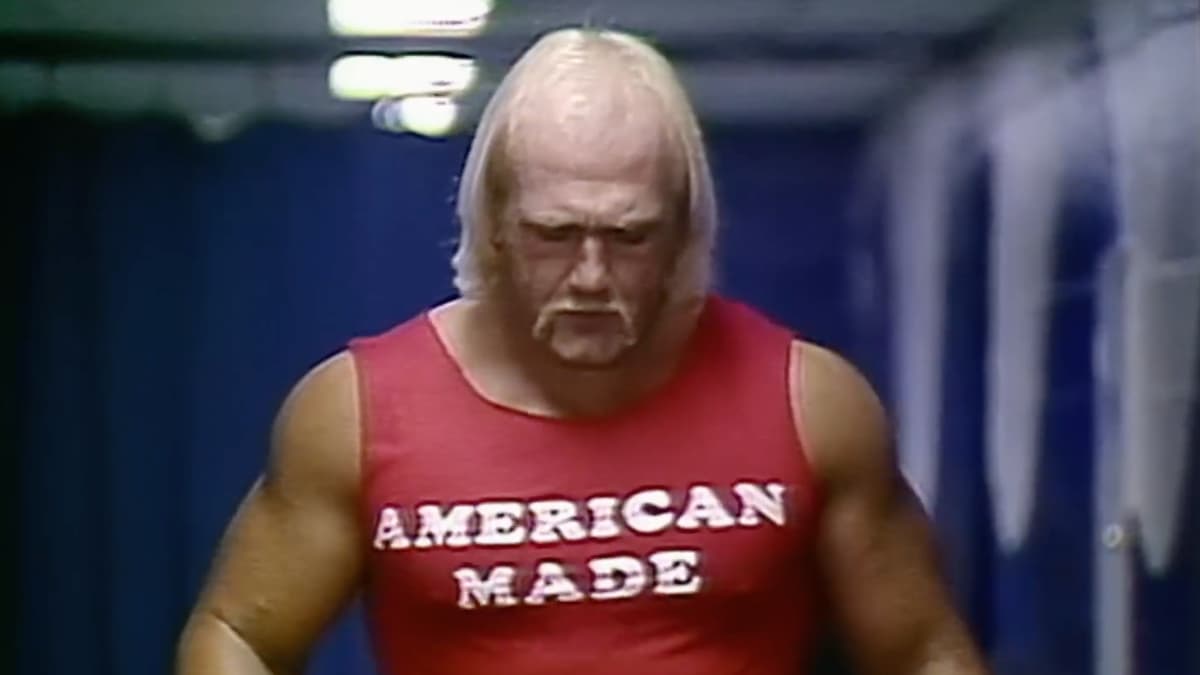
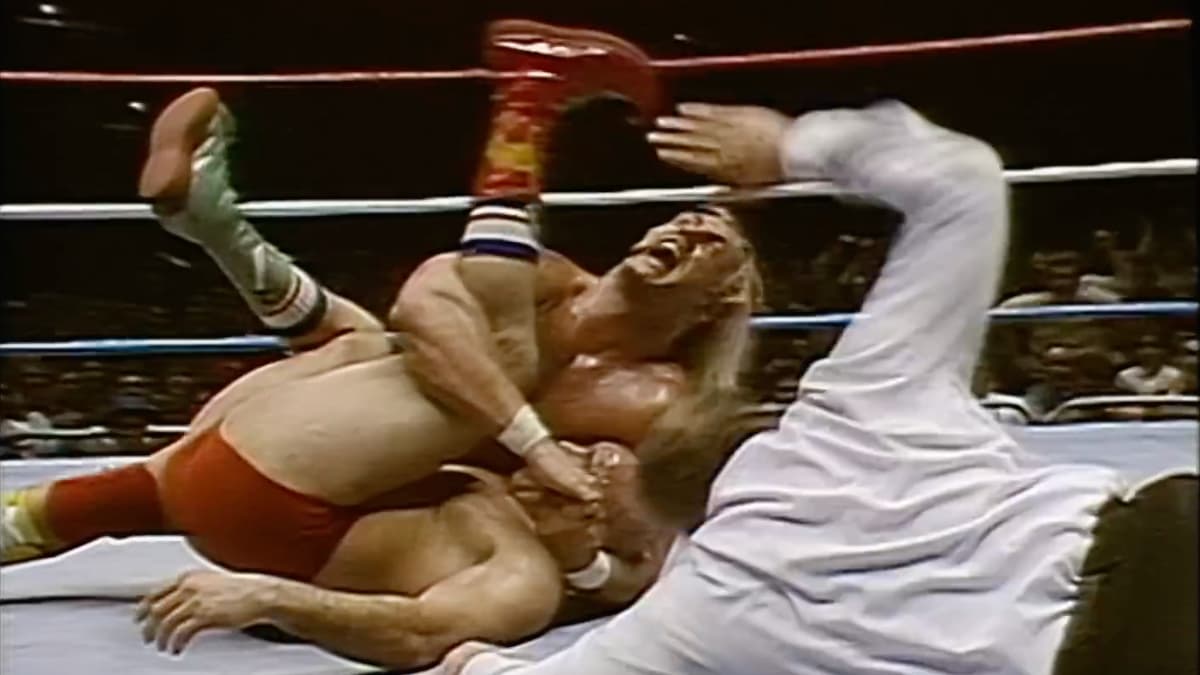
Hogan kept up the heavy onslaught, while Gorilla Monsoon and Pat Patterson talked up the challenger's star aura over their headsets. Soon, Iron Sheik turned the tide, taking over after Hulk missed a corner charge. Sheik worked the lower back, delivering a backbreaker, before applying a Boston crab. When that couldn't fell Hogan, Sheik snared him into the camel clutch, to which Monsoon posited, "Only the immense power of the Hulk could save him!"
Hogan then powered up to his feet and flattened Sheik against the turnbuckles to break the hold. Seconds later, Hogan charged in with the big leg drop, capturing the title after just five minutes 40 seconds to a volcanic cheer.
This time, there would be no "Dusty finish." Perhaps it was no small coincidence when, during Hogan's locker room celebration, fellow AWA alumnus Mean Gene Okerlund declared, "It's Super Monday at the Garden!" By then, the calamitous Super Sunday was yesterday's news, Verne Gagne's myopic booking a glaring reminder of opportunity lost.
As Andre the Giant, Rocky Johnson, and Ivan Putski poured champagne all over Hulk, the page was turning to the WWF's new era. This was explicitly Vince McMahon's show, and the squared circle was Hulk Hogan's stage. A few more flexes and star reinforcements in the coming years would all but position professional wrestling as Vince McMahon and Hulk Hogan’s shared universe all the way until 1993 as WWF enjoyed a golden era with The Hulkster as the undisputed top star.