Why Randy Savage Quit WWE For WCW
The full story of Randy Savage's WWE exit for WCW

Dec 15, 2025

The full story of Randy Savage's WWE exit for WCW
Dec 15, 2025
When you talk cornerstones of the World Wrestling Federation during the 1980s, “Macho Man” Randy Savage is one of the first names that springs to mind.
Amid the heroic bombast of Hulk Hogan, the antagonism of Roddy Piper, and the sheer immensity of Andre the Giant was the primal fury and poetic psychobabble of the Macho Man. Over the course of a decade, Savage ingrained himself as a Federation institution, headlining major cards, winning top belts, cutting spellbinding promos, and cementing himself as a household name. There really was nobody else like him.
So synonymous with the WWF was Savage that it was hard to imagine him ever leaving, even when his in-ring output declined in the early 1990s. In the same year that Hulk Hogan made an unthinkable jump to rival World Championship Wrestling, however, the other Mega Power followed him. The exit was as surprising as the circumstances that surrounded it.
On September 1, 1992, Randy Savage's second reign as WWF Champion abruptly ended. Three days earlier, Savage had defended the title against The Ultimate Warrior at SummerSlam before a reported 80,000 fans at Wembley Stadium, but he was soon booked to drop the belt back to Ric Flair, who he defeated for the Winged Eagle at WrestleMania VIII in April.
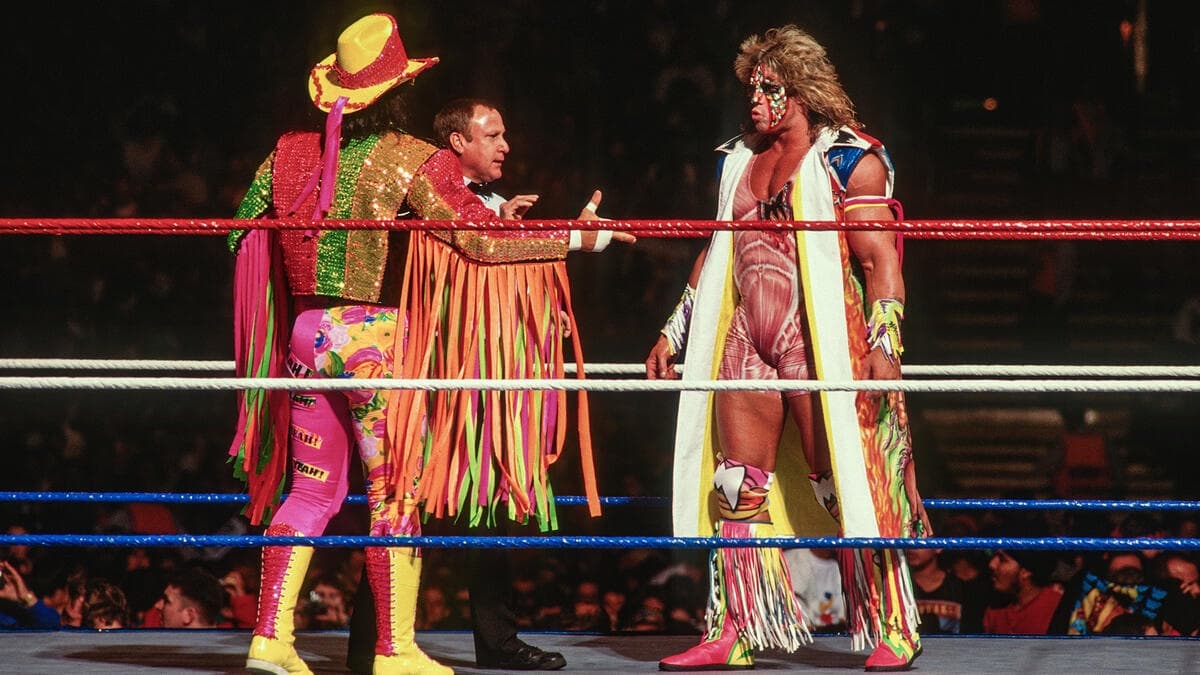
Though SummerSlam drew an enormous stadium crowd, Savage's reign coincided with a major business decline in the United States for the World Wrestling Federation. Interest in wrestling had been dropping since 1991 amid a number of controversies which sent top draw Hulk Hogan into a period of sabbatical.
Functioning without Hogan and treading water in the wake of general waning interest, Savage found himself as the champion of an increasingly-unpopular product. Over the spring and summer months, Savage's house show matches with Flair drew under 5000 fans in major markets like Boston, St. Louis, Houston, Nashville, and Denver, with some towns dipping below 3000 fans. A Savage vs. Flair bout in the Nature Boy's native Charlotte that summer drew just 3000 fans.
1992 placed WWF in a major transitional period. Hogan and other musclebound talents of the 1980s were gone and suddenly Flair, who had just won the WWF Title, was told he was going to be phased down as well, with The Nature Boy giving notice to the company and leaving in 1993 to head back to World Championship Wrestling.
In 1992, Randy Savage was still the most famous wrestler on the roster with Hogan on hiatus, but he remained identifiable with an era that was now firmly in the rearview mirror for Vince McMahon. So much had changed in the few short years since Savage's prime drawing period, and though he could still please whatever crowd showed up, he wasn't drawing 15,000 for nightly steel cage matches with Ted DiBiase any more.
By the autumn of 1992, Vince McMahon began cutting back on Savage's wrestling usage. Though still a gifted performer that could produce great matches, Savage was almost 40, which very much made him a veteran at the time.
At the same time, Savage was also dealing with tumult in his personal life. Late in the summer of 1992, it emerged that he and wife Miss Elizabeth were divorcing after nearly eight years of marriage. Elizabeth had been present during her husband's recent run, but disappeared from the road after April. By the time Savage dropped the belt, the news of he and Elizabeth's divorce was public.
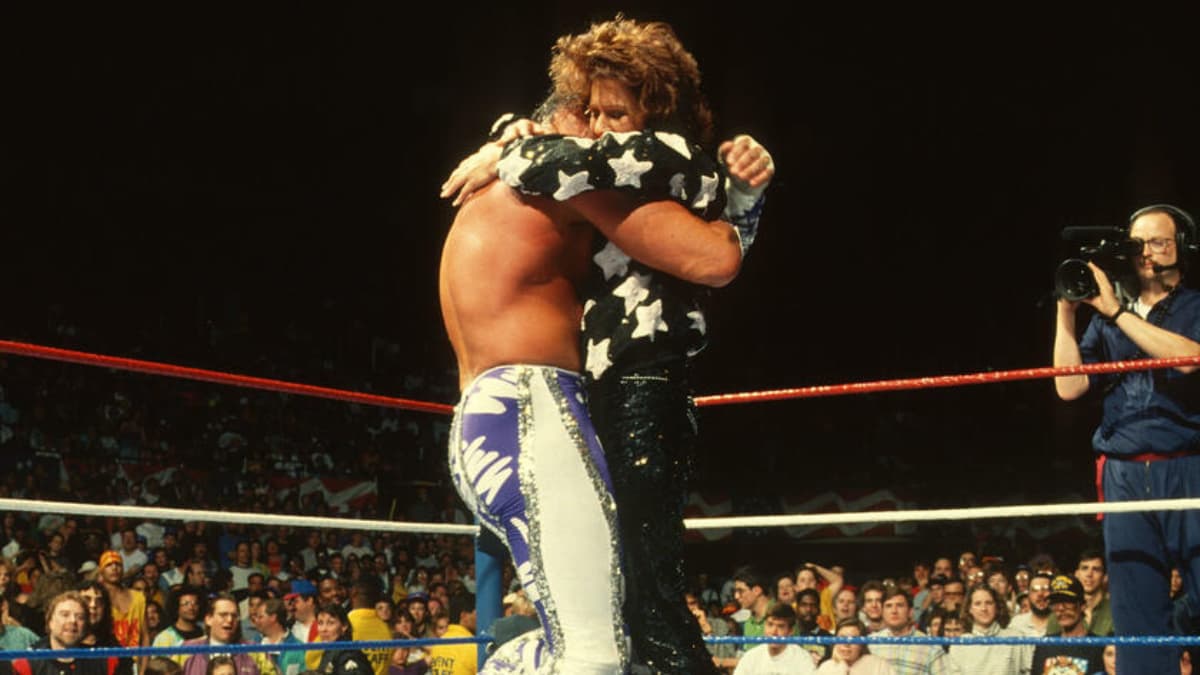
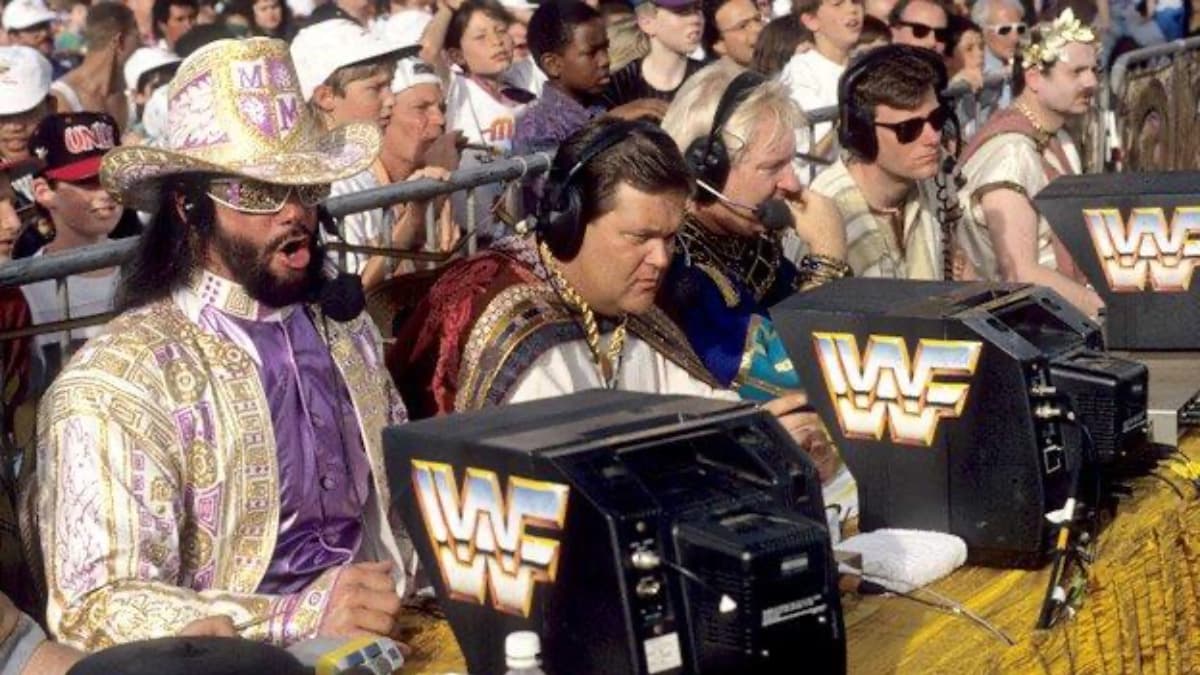
By Savage's own admission, he wasn't able to give 100 per cent inside the ring during this period, and he accepted a commentary role as a way to recharge while remaining present.
Savage wasn’t completely inactive, though. At the same time he broadcast his eclectic musings on weekend show Superstars and the brand new Monday Night Raw, Savage occasionally wrestled, having 81 matches for the World Wrestling Federation in 1993, although only eight of those matches were televised, including Macho Man working the Royal Rumble (where he was the final elimination by Yokozuna) and Survivor Series.
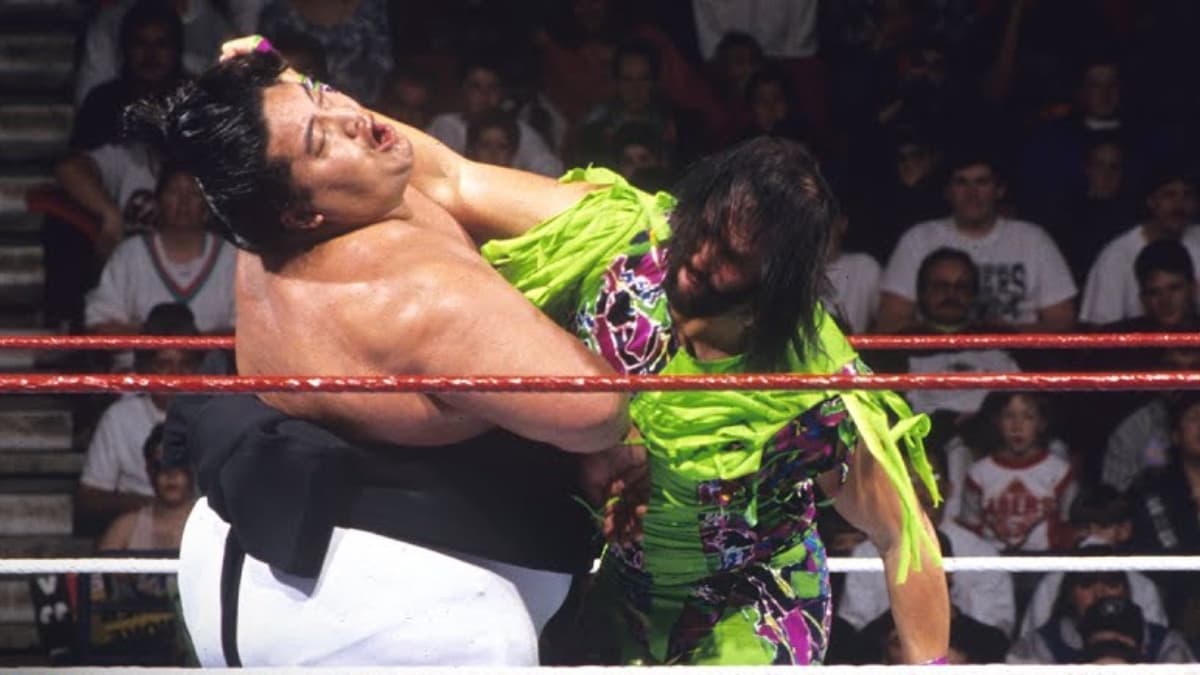
By the autumn of 1993, Savage found himself embroiled in his first major feud in nearly a year, working against real-life friend Crush. In storyline, Crush had been seriously injured that July by Yokozuna, and Crush was angry at ringside announcer Savage for not saving him in his helpless state.
After feigning reconciliation with Savage during a televised confrontation, Crush brutalised Macho Man at ringside and was soon joined by Yokozuna for a tandem decimation. The prospect of a hellbent Savage getting revenge on Crush was an exciting scenario, largely because fans found it so easy to get behind Savage.
For as long as he sat in the commentator's chair, Savage remained one of the most popular figures in all of the WWF. Beyond the commentary table, Savage earned hearty cheers whenever he did anything physical, because the fans still saw him as a huge deal, less active though he was.
Still, Savage yearned to be in the ring more. Individuals who knew the Macho Man well - including Ted DiBiase and Kevin Nash - indicated that Savage preferred wrestling to broadcasting, and he wasn't ready to give up on the idea of one or more sustained runs between the ropes.
Once the calendar turned to 1994, Savage remained active working house show matches, primarily wrestling Crush ahead of their WrestleMania X match, which culminated in a Falls Count Anywhere victory for the Macho Man. Savage also worked TV matches ahead of Mania, including defeating WWF Champion Yokozuna by DQ at a Monday Night Raw taping on February 21 which would end up being the last time Savage challenged for the belt in a televised bout.
While Savage's activity suggested he would be wrestling for some time, WrestleMania X ended up being his final televised match for the World Wrestling Federation.
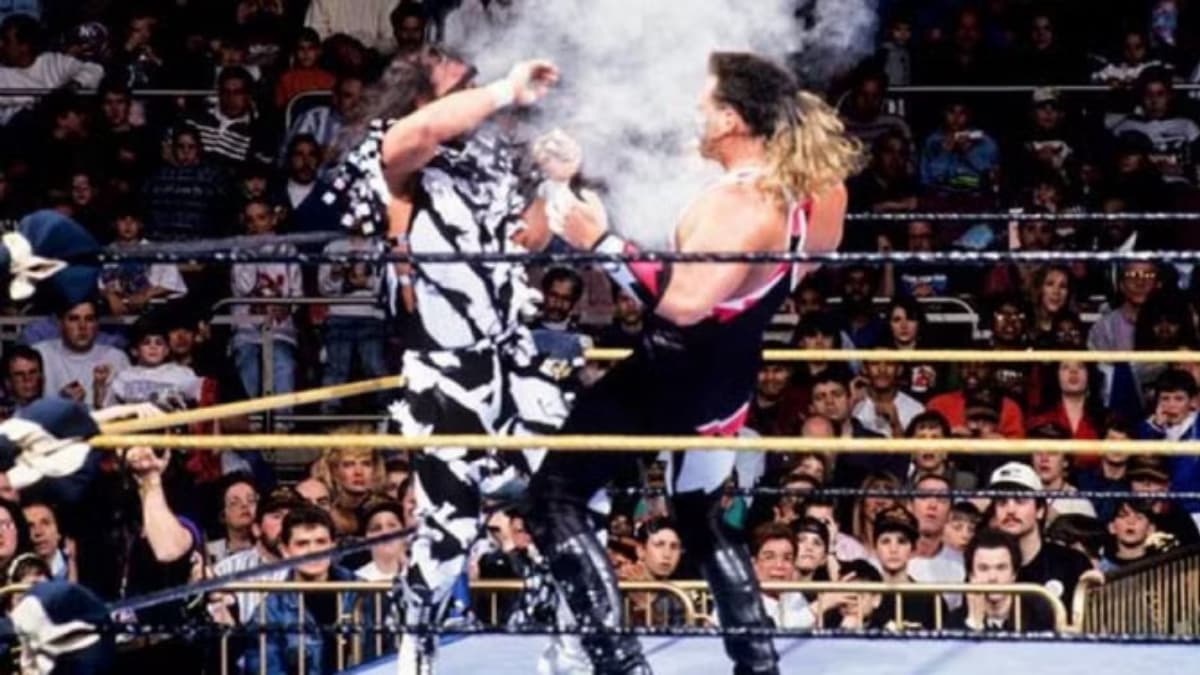
Savage’s in-ring usage after WrestleMania X saw him primarily be booked on international tours in Israel and Japan, while he also worked sporadic house shows in the United States alongside a three-match run in Smoky Mountain Wrestling where he put over territory heel Bruiser Bedlam.
On the house show tour of Japan, Savage challenged for the WWF Title for the final time, losing to Bret Hart on May 7, 1994 in Yokohama. To demonstrate how far Savage had fallen in the WWF pecking order, however, Hart wrote that Jack Lanza flatly told The Hitman to "Catch something quick on him", meaning Lanza and the WWF weren’t invested in the match, with Lanza also telling Hart, "Whatever, just beat him however you want."
Following Lanza's instruction, Hart noted: "It wasn't hard to read the dejected look on Randy's face. It showed Randy how little the office cared. Not so long ago, Lanza would never have spoken to Randy like he was a jobber."
Hart and Savage went out and had an excellent 18-minute match, where The Hitman allowed Savage to be Savage, before winning via the Sharpshooter. Bret noted that once they were back in the locker room, when Lanza tried to be complimentary to them, Savage told the backstage agent off.
Savage had a long history of not suffering disrespect lightly. In one of the more well-known tales, he took personal offence when the WWF staged a legends battle royal at the Meadowlands in 1987 and refused to include his father, noted wrestler and promoter Angelo Poffo. According to Savage's brother Lanny, after Savage's request was shot down he harboured a layer of resentment toward the company for years after the fact.
Now 41 in 1994, the Macho Man was on the outside looking in at the WWF's New Generation, an ad campaign created in part to try and downplay 40-year-old Hogan's headline-grabbing jump to WCW as the company tried to make it clear their wrestlers were young and fresh, descriptors that apparently didn’t fit Randy Savage.
The problem with that was in the obvious contradictions. From his ringside perch, Savage watched a terrible King of the Ring main event between 40-year-old Roddy Piper and 44-year-old Jerry Lawler. He also had to commentate while 46-year-old Nikolai Volkoff was dusted off for an angle with Ted DiBiase, and 45-year-old Bob Backlund also managed to successfully reinvent himself as a deranged moral crusader.
Frustrated and hungry, Savage tried to create his own opportunity. At some point in 1994, he cultivated an idea for an angle, and revealed it to brother Lanny, where he would work as a heel in a long programme with Shawn Michaels, who he considered the next big star of the industry, and put over HBK at a future WrestleMania.
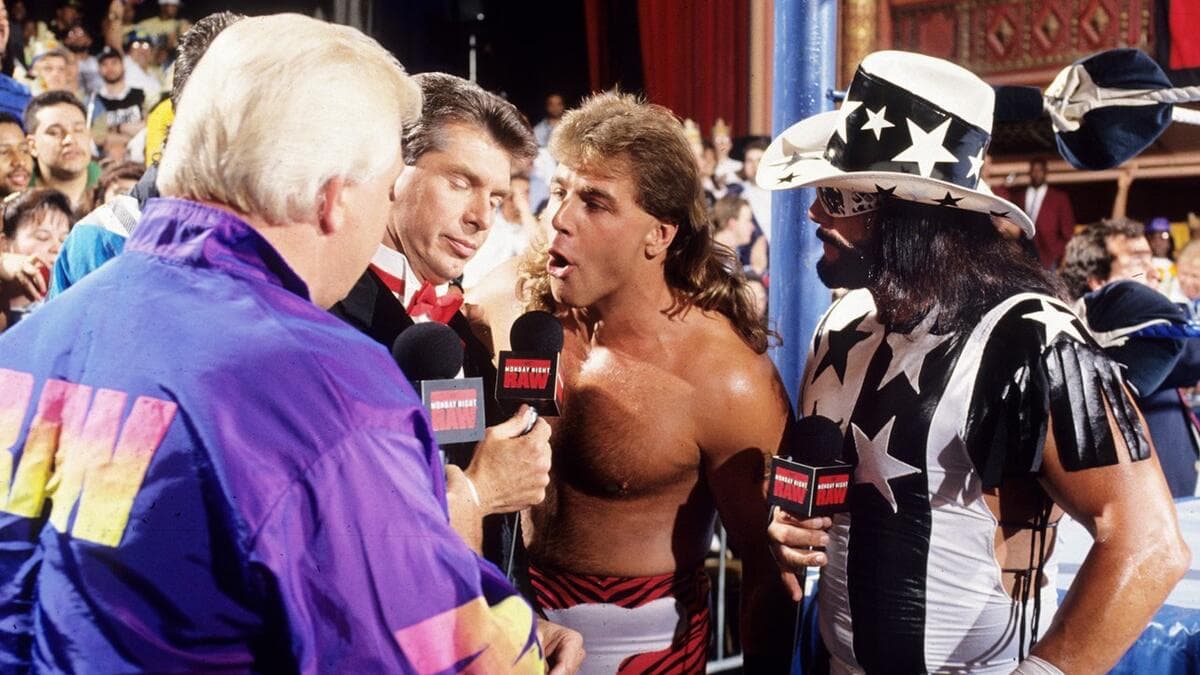
Savage chose Michaels largely because of his virtuoso wrestling talent. Since 1987, he had mentally "chased" his legendary WrestleMania III bout with Ricky "The Dragon" Steamboat, seeking to try and top what many believe is the greatest match of his career.
Savage even had the impetus for the feud in mind. After one of Michaels' inevitable championship wins or other successes, Savage would host an in-ring segment where he would have a public toast for the ascendent star. Then, with nobody suspecting a thing, Savage would take a champagne bottle and shatter it over Michaels' head, kicking off a bitter turn, and (hopefully) big business.
What Savage got after pitching the idea was blunt resistance. The Macho Man was told no by the WWF. According to Lanny, it was Pat Patterson, speaking on behalf of Vince McMahon, who told Savage that there was a youth movement ongoing, and the best use for Savage at that point was on commentary.
From the time his WWF Title reign ended, Savage had largely been a bystander. Save for a five-month feud with Crush - which started out promisingly and had mostly fizzled before its televised conclusion - the Macho Man spent far more time describing others wrestling than actually wrestling.
For a man with Savage's competitive drive, and his unwillingness to accept that the final chapter may have already been written, he knew that in order to be happy once more, he had to leave the WWF.
Upon returning from that international tour in May, Savage only wrestled 10 more matches for the WWF, all away from TV cameras. There were three house show bouts with Jerry Lawler in the United States during the second weekend of July. A month later, he randomly faced Diesel for the Intercontinental Title in San Antonio. In September, Savage teamed with Bret on six consecutive nights for a tour of Germany, defeating Owen Hart and Jim Neidhart on each card. Savage's final WWF match took place on September 13, 1994 in the city of Rostock, Germany. Those in attendance likely would have never guessed they were witnessing history in that moment.
Back in the US, Savage continued offering his usual acid-washed musings on Monday Night Raw, while seated beside the man blocking him from his professional desire in Vince McMahon.
On the Halloween night broadcast, Savage got physically involved in the action. With Backlund and Tatanka beating down Lex Luger, Savage inserted himself to make the save. Pacing ringside after the fracas, Savage ranted about how hard it was to sit in the commentary chair while Backlund and others committed such villainy. To those reading between the lines, and who knew Savage well, the statement read as realistic. Savage loathed being a non-factor.
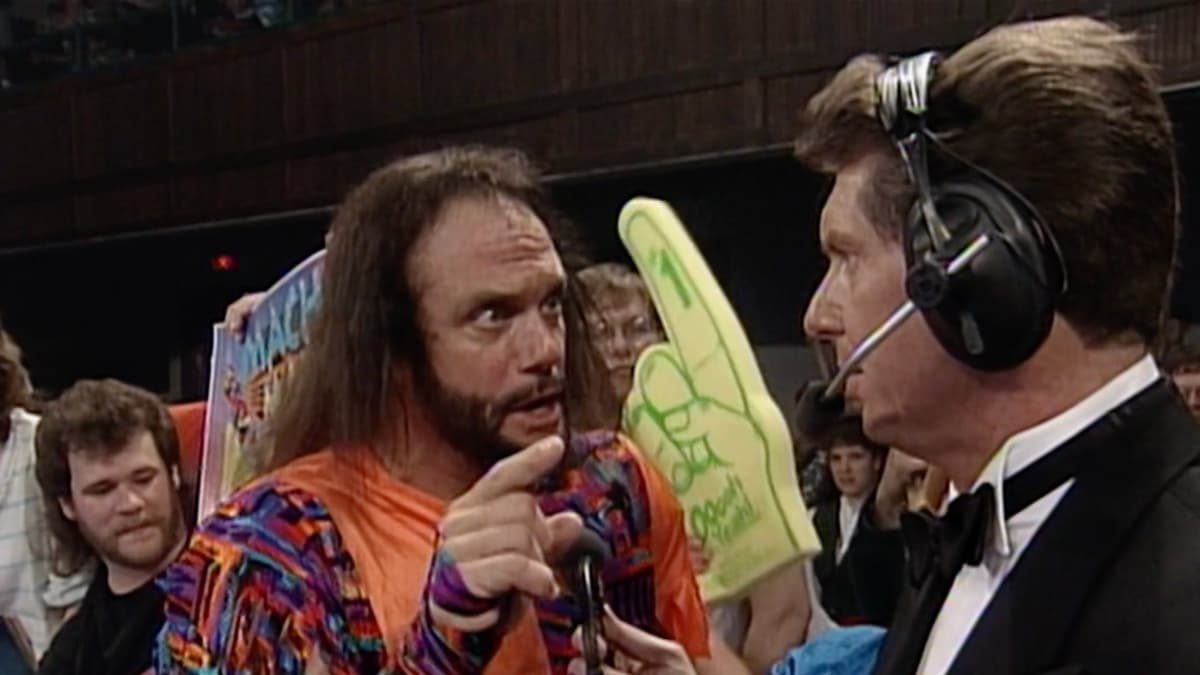
While it looked like the WWF were building to a match between Savage and Backlund, the company soon after announced that Savage would be the guest referee for a WWF Title match between Bret Hart and Backlund at Madison Square Garden, three days after Survivor Series.
Savage never made it to that show, or the following week's episode of Raw after setting up the angle with Backlund. On the morning of November 7, the day of a live Monday Night Raw taping, Savage called Vince McMahon in the wee hours with groundshaking news that he had signed with WCW.
After nine years and five months with the WWF, winning two world titles, taking part in numerous memorable angles, and becoming a promotional ambassador, the Macho Man had abruptly left the company.
Though shocking, the move made sense. Hogan's WCW jump came equipped with big money and guarantees, the kind that would lure anybody to make a move.
Just as important as all of that was the fact that in WCW, Hogan from day one was treated like a franchise player, a huge deal. Whereas the WWF sought to phase the ageing Hulkster down in 1993, WCW were all too happy to install Hogan as the face of the company.
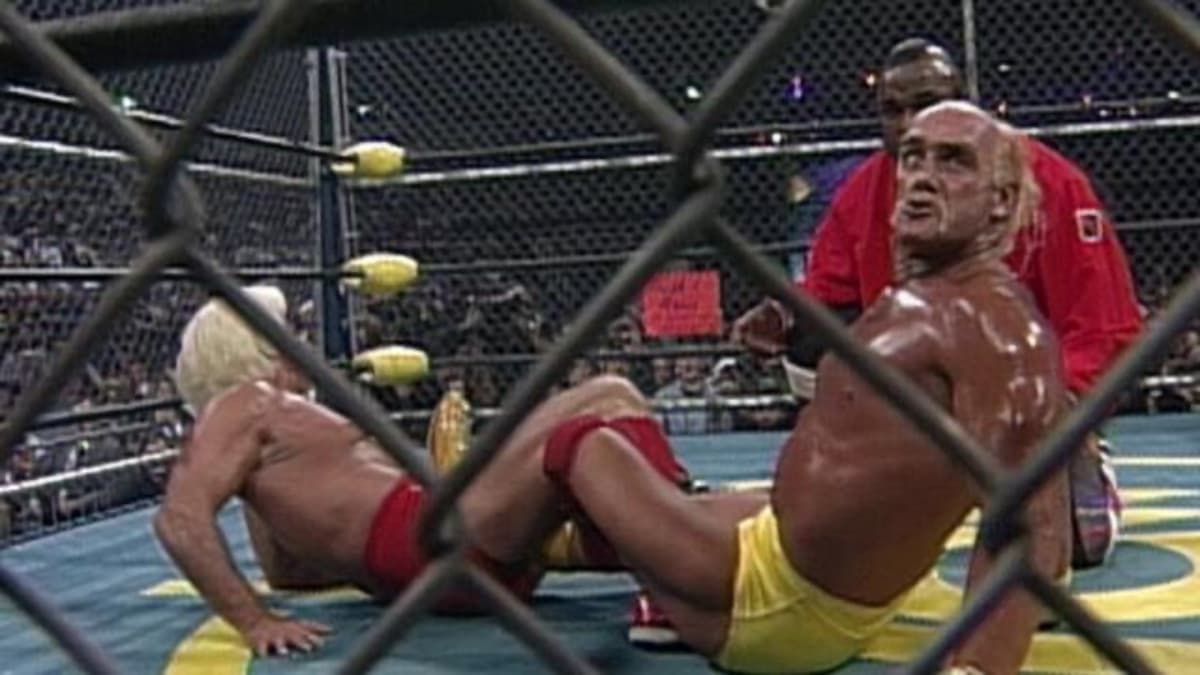
By November, Savage and WCW had agreed to a deal. Macho Man - at least temporarily - mended fences with estranged frenemy Hogan, made his debut appearance on the first weekend of December, and eventually brought his Slim Jim sponsorship along too.
Back in the WWF, the mood was sombre. Bret Hart recalled Vince McMahon being "shaken" by the defection, because while Vince was keeping Savage sidelined, he also saw him as a close friend. Savage was part of Vince's inner circle, someone he believed would always be there.
In a Savage biography written by Jon Finkel, the wrestler said later of his commentary demotion: "I just wasn't ready to take off my boots at that point."
While Savage acknowledged that the WWF did the right thing by emphasising younger wrestlers more, he added: "At the same time, it didn't work for me at the time. I'm glad I made the move that I did...I have to do things because I want to, not because I have to."
Randy Savage extended his wrestling career until 2000 in World Championship Wrestling. He would go on to have more feuds with Hulk Hogan after a brief reunion of the Mega Powers, but Savage would also have excellent bouts with Ric Flair.
In 1997, now-44-year-old Savage made magic with rising star Diamond Dallas Page in what were inarguably WCW's best matches of the period that didn't involve the cruiserweight division.
Savage would also become a world champion once again, having four short reigns with the WCW World Heavyweight Title while part of the company.
Savage ultimately never returned to WWE, however, and he tragically passed away in 2011. He was posthumously inducted into the WWE Hall of Fame in 2015.