The Wrestling Classic: WWE’s Weird And Wonderful Second PPV That Time Forgot
The true story of WWF The Wrestling Classic
.jpg&w=3840&q=75)
Jul 1, 2026

The true story of WWF The Wrestling Classic
Jul 1, 2026
Highlights of the World Wrestling Federation in the 1980s fondly remembered by pro wrestling fans today include the early editions of WrestleMania, each headlined by the company’s undisputed top star in Hulk Hogan, as well as SummerSlam from 1988, MTV specials, and episodes of Saturday Night’s Main Event.
One event has been largely forgotten, though, and it was actually the World Wrestling Federation’s second-ever pay-per-view, taking place between WrestleMania and WrestleMania 2, as The Wrestling Classic emanated from Chicago’s Rosemont Horizon on November 7, 1985 in front of 14,000 fans.
By 1985, it had been three years since Vince McMahon had acquired the WWF from his father, Vince McMahon Sr., and embarked upon expanding the World Wrestling Federation’s reach across the United States, very much looking to destroy the territory system that had underpinned professional wrestling in the country for decades.
With Hulk Hogan established as the promotion’s top star at the beginning of 1984, the WWF exploded in popularity through the Rock 'n' Wrestling Connection and entered the mainstream. This included WWF airing on MTV on multiple occasions, the debut of Saturday Night’s Main Event on NBC in May 1985, and the company’s first supercard just weeks earlier as WrestleMania aired from Madison Square Garden on March 31.
WrestleMania proved to be a huge success, with the event being viewed by over one million people at closed-circuit locations, while the event grossed between $4 million and $6 million. While the show was not majorly promoted as a pay-per-view, WrestleMania, according to PPV distribution consultant Jay Merkel in the July/August 1985 issue of Channels, still drew over 100,000 buys, which was considered successful, especially at a time when customers had to phone up a pay-per-view provider and then travel to pick up a cable box to actually watch the show.
With such success, the World Wrestling Federation would look to run another supercard, this time with more of an emphasis on pay-per-view. Plans were put in place for five events into 1986 under the Wrestlevision banner, with the first being The Wrestling Classic, an event that would be centred around what Vince McMahon described as “the most prestigious wrestling tournament ever devised” in the September 16, 1985 issue of Electronic Media.
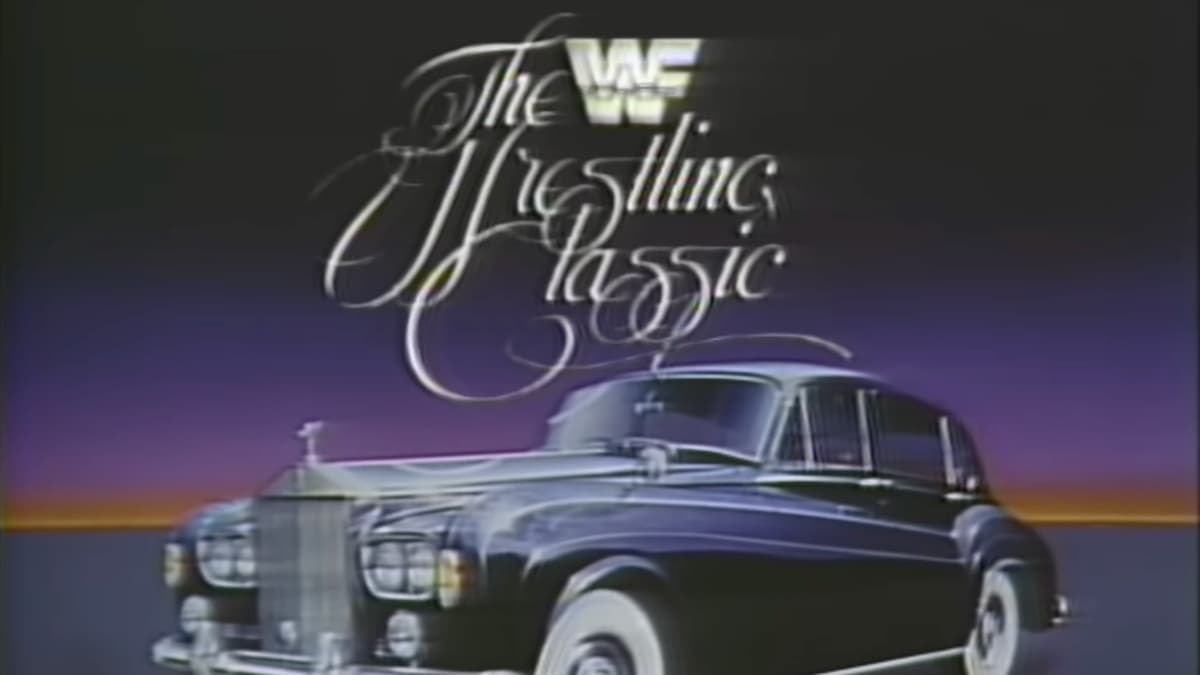
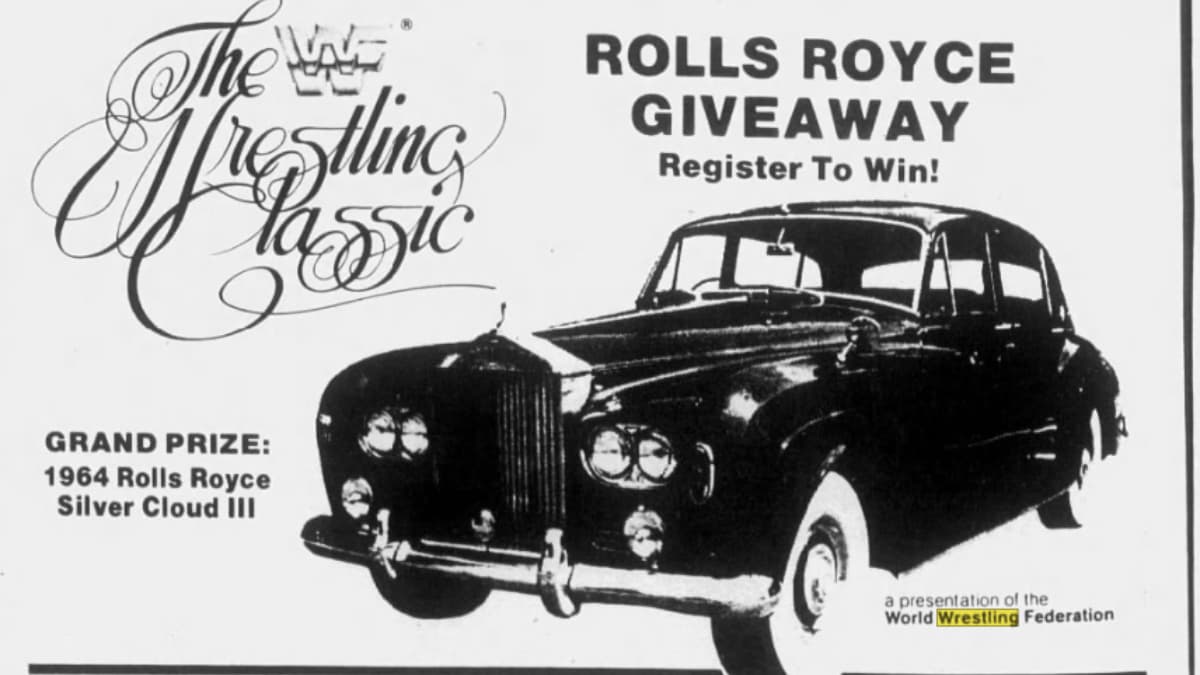
Not only that, but fans could enter a competition to win a Rolls-Royce Silver Cloud III, with the winner being announced at the pay-per-view. In what was advertised as the headline match, Hulk Hogan would defend the WWF Championship against Roddy Piper as the two men looked to continue their issues that had been bubbling away for almost all of 1985.
As part of the WWF’s expansion, Vince McMahon looked to sign the best professional wrestlers in the United States and Canada, which included Hulk Hogan, who was poached from the AWA and fast-tracked to the WWF Title, which Terry Bollea won just weeks after signing with the company.
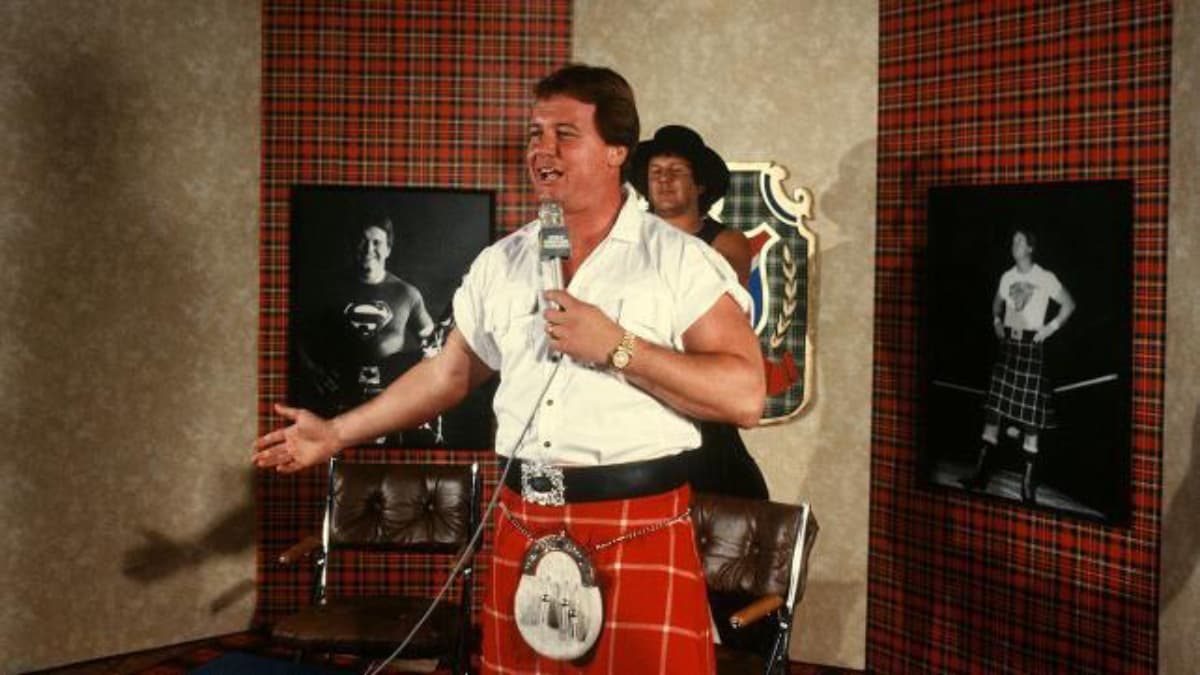
While Hogan was the biggest WWF signing of late 1983, "Rowdy" Roddy Piper was the biggest acquisition in early 1984, joining WWF from the Mid-Atlantic territory, with Piper having featured in a bloody Dog Collar Match against a fellow WWF signee in Greg “The Hammer” Valentine at Starrcade 1983.
That match and subsequent rematches at Mid-Atlantic arena cards left Piper with scarred flesh and a loss of equilibrium, the latter due to a busted eardrum, meaning his in-ring performances would be hampered for the foreseeable future. To get around this, though, just one day after Hogan won the WWF Title from The Iron Sheik, a new interview segment debuted in Piper’s Pit where Roddy played the exuberant hype man for his fellow heels, while he questioned the brains and guts of WWF's babyfaces, doing so to their faces.
After recovering from injury, Piper began wrestling full-time for the World Wrestling Federation and he had very much cemented himself as the promotion’s top heel by the closing days of 1984, beginning a feud with Hulk Hogan.
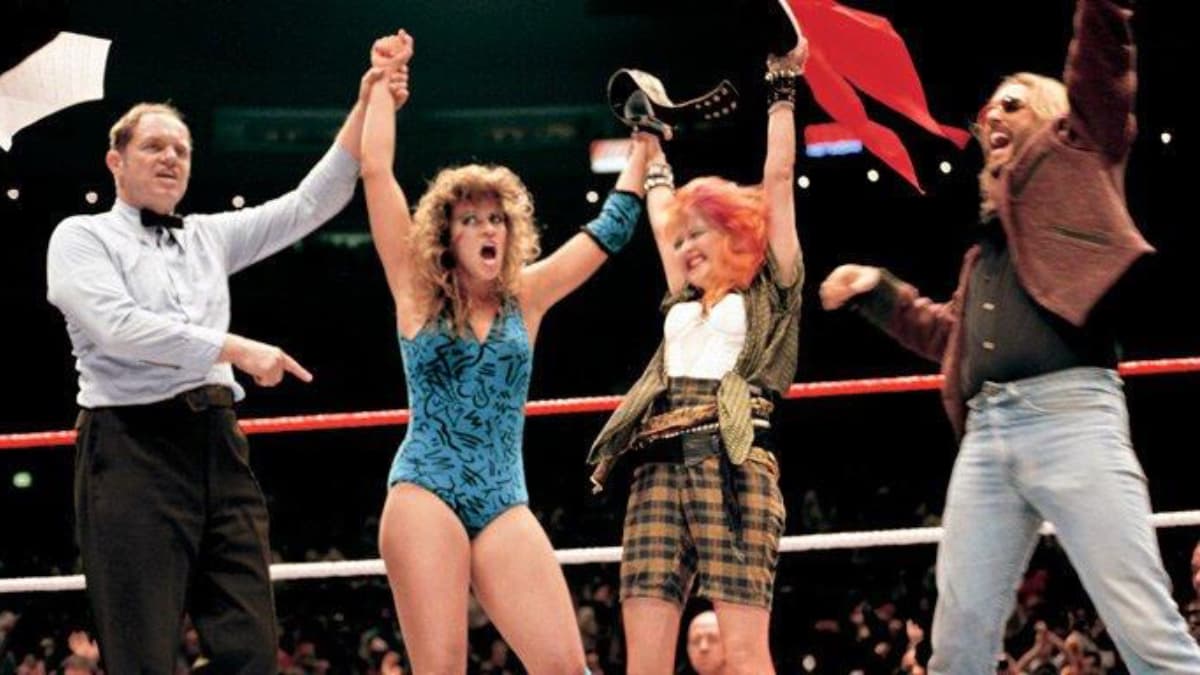
This included at the final Madison Square Garden event of 1984 where Piper interrupted an in-ring ceremony with Cyndi Lauper and Captain Lou Albano, smashing a gold record over Albano’s head and kicking away Lauper before powerslamming Lauper’s boyfriend, music producer David Wolff. This brought out Hogan, who rushed the ring, forcing Piper to flee.
This led to a WWF Title match between Hulk Hogan and Roddy Piper inside MSG on February 18, 1985 at The War to Settle the Score, with the main event title match being simulcast on the MSG Network and, more importantly, MTV. This was a follow-up on the back of the success of The Brawl to End it All in the summer of 1984, which saw The Fabulous Moolah vs. Wendi Richter with Cyndi Lauper in her corner for the WWF Women’s Title draw big ratings for MTV.
With The War to Settle the Score very much there to set up the main event of WrestleMania I, which was to feature Hulk Hogan & Mr. T vs. Roddy Piper & Paul Orndorff, Piper refused to lose to Hogan on MTV, as was the original plan, as Hot Rod believed such a loss would leave him with no momentum heading into WrestleMania.
A compromise of a DQ win for Hogan was agreed upon, which came after Paul Orndorff hit the ring to help Piper attack The Hulkster. This ultimately prompted Cyndi Lauper to shout from the apron, and Mr. T to make the save for the pop icon, cementing the WrestleMania main event just days after a confrontation between Piper and BA Baracus on the set of the A-Team.
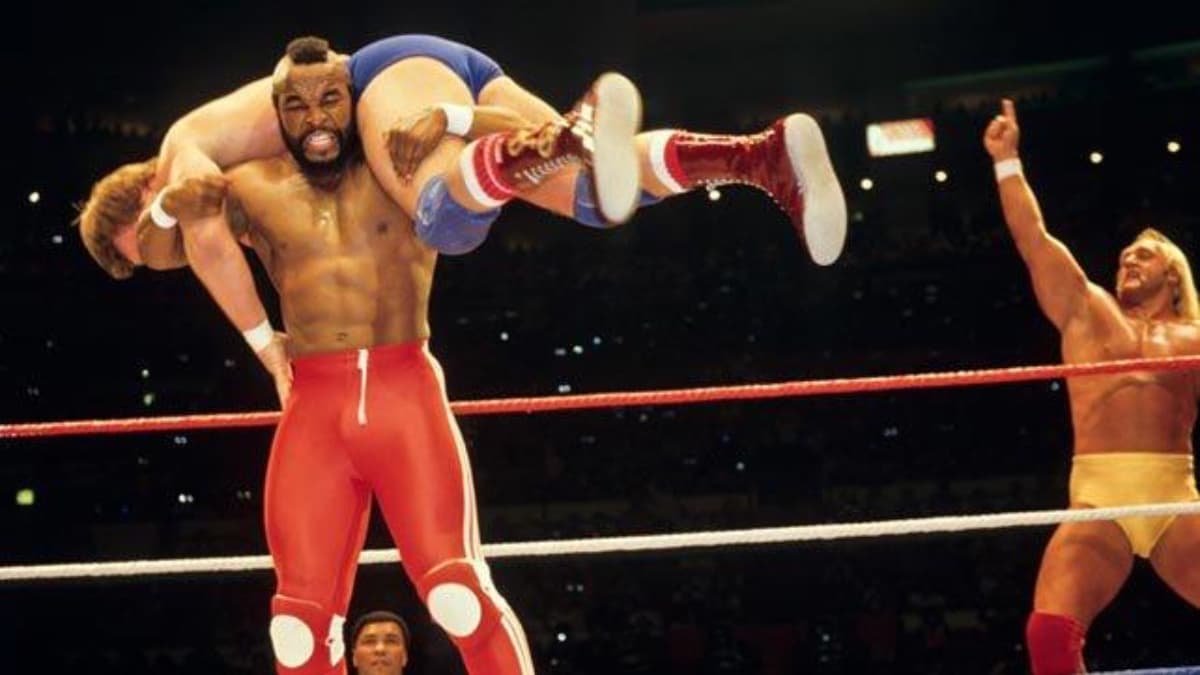
The babyfaces won in the WrestleMania main event when Hogan pinned Orndorff, and the issues between The Hulkster and Roddy Piper would continue for the remainder of 1985 as they wrestled at a number of house shows as the year continued. Hogan still couldn’t pin Piper, though, while Roddy also couldn’t win the WWF Championship as their matches would primarily end in a DQ win for Hogan.
To finally get a definitive result, a rematch from The War to Settle the Score and WrestleMania I was booked for The Wrestling Classic.
To present what Vince McMahon had promoted as “the most prestigious wrestling tournament ever devised”, a 16-man tournament was introduced and it was a who’s who of top talents who had jumped from NWA territories to the WWF since Vince McMahon had acquired the company from his father in 1982.
This included Paul Orndorff, The Iron Sheik, Nikolai Volkoff, and Tito Santana from Georgia Championship Wrestling, Ricky “The Dragon” Steamboat, Bob Orton, Terry Funk, and Don Muraco from Mid-Atlantic, Randy Savage and Moondog Spot from the Continental Wrestling Association, and Junkyard Dog from Mid-South.
The British Bulldogs of Davey Boy Smith and Dynamite Kid had also joined WWF in the summer of 1984 as part of Vince McMahon’s acquisition of Stampede Wrestling, joining the organisation with Bret Hart.
The only wrestlers with the WWF before Vince McMahon’s acquisition were Adrian Adonis and Ivan Putski, while Corporal Kirchner was signed directly by the WWF in 1984 without any prior pro wrestling experience.
After all the build and hype to order the pay-per-view for $12 from your local provider, The Wrestling Classic, bizarrely, took place on a Thursday night on November 7, 1985.
After the opening WWF and Wrestlevision logos, the show opened to the hosts of Vince McMahon, Lord Alfred Hayes, and a young blonde by the name of Susan Waitkus, who was simply there to point with a stick at the tournament brackets as Hayes hyped up what the fans on PPV were about to witness.
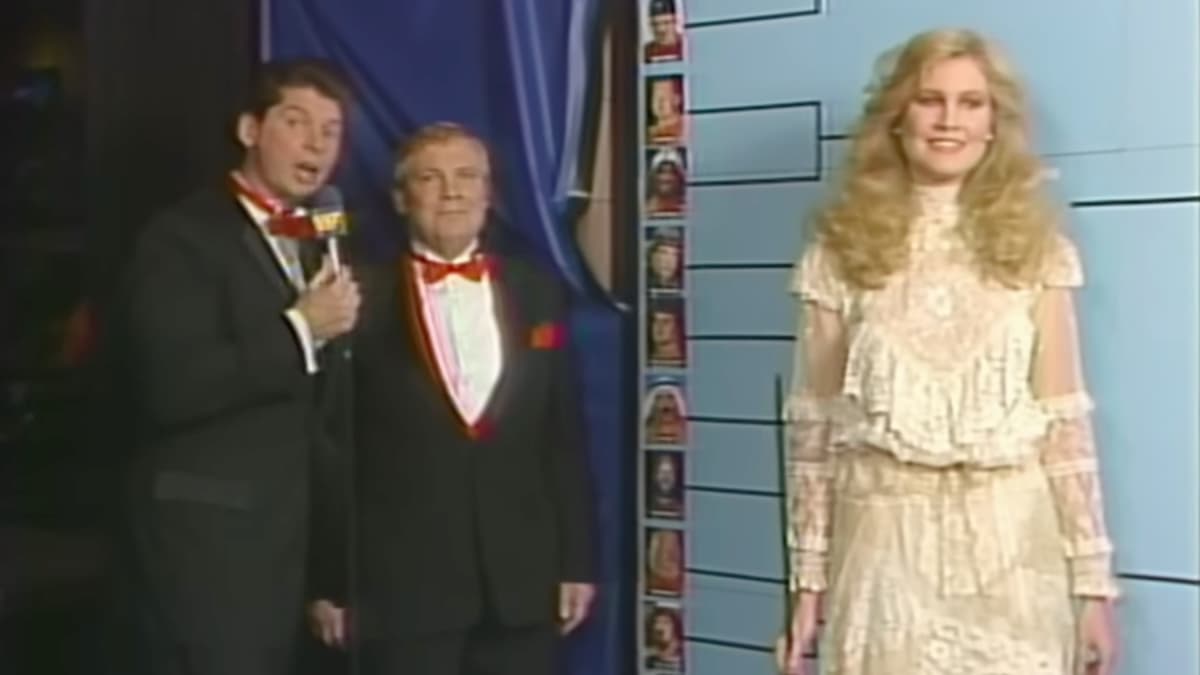
This would be Susan Waitkus’ only WWF appearance, and it appears she was simply booked on the show because she was a Chicago resident. In an interesting note, though, she actually grew up in a house built by a Chicago gangster who worked for Al Capone by the name of George “Babe” Tuffanelli. Waitkus noted in a 2016 article that she had fond memories of the Tuffanelli family, who lived next door for four years until they moved to Las Vegas, and she remained in contact with Dawn Marie Tuffanelli as of the 2010s.
After that brief preview, it was time for the in-ring action to get underway, and The Wrestling Classic proved to be the absolute antithesis of World Wrestling Entertainment in the 2020s as 15 matches took place in just under two and a half hours.
Needing to fit so many matches into such a limited amount of time meant WWF’s wrestlers had to get creative with their finishes, with the first round, quarter-finals, semi-finals, and the final of the tournament all scheduled to take place alongside the Hogan vs. Piper title match.
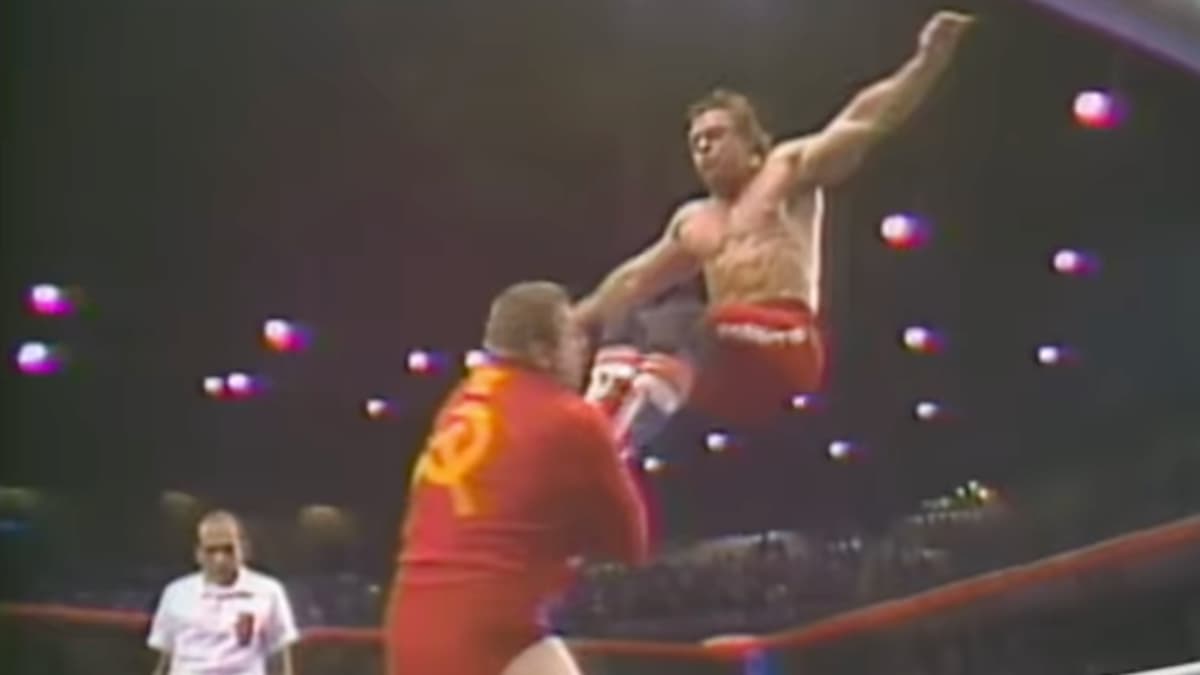
It didn’t take long for that creativity to become evident. The first match of the first round of matches saw Adrian Adonis (shortly before he went Adorable) defeat Corporal Kirchner in three minutes, but the second match of Dynamite Kid vs. Nikolai Volkoff only went nine seconds after Tommy Billington hit Volkoff with a missile dropkick as Nikolai was finishing his rendition of the USSR national anthem, and covered the Russian, much to the delight of the US-loving fans on a show that was taking place just a couple of weeks before Ronald Reagan met Mikhail Gorbachev in Geneva.
Randy Savage then advanced in the tournament with a win over Ivan Putski, putting two feet on the second rope to secure the pinfall, while Ricky “The Dragon” Steamboat managed to advance to the quarter-finals due to a case of sore testicles for The British Bulldog.
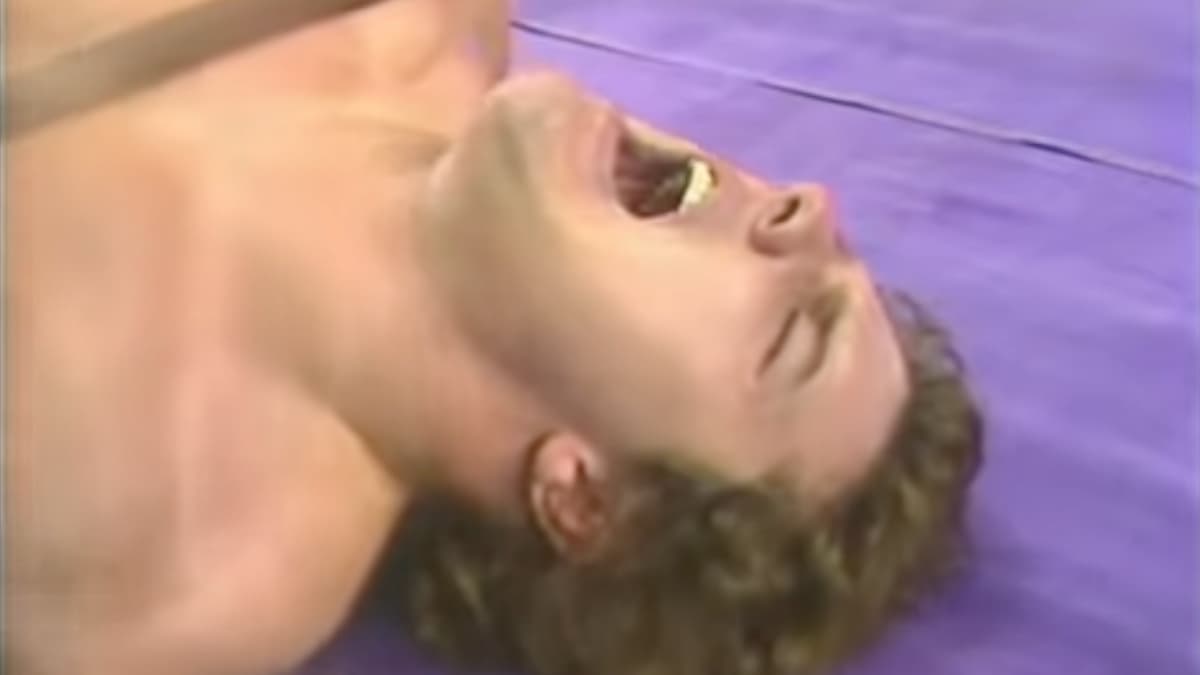
The two competitors were having an enjoyable match when Davey Boy Smith went for a dropkick and crotched himself on the top rope. Bulldog immediately crumbled to the mat in agony over his pain-filled nether regions, and the referee called for the bell, ruling that Smith was unable to continue.
The Junkyard Dog then defeated The Iron Sheik to advance, while Terry Funk would end up being eliminated in the first round by Moondog Spot of all people. Funk, who was already a former NWA Worlds Heavyweight Champion by the time he signed with the World Wrestling Federation, cut a promo before the match and offered for himself and Moondog Spot to leave the ring and settle for a draw, which would have eliminated them both from the tournament. Spot, for some stupid reason, decided to agree to the offer, at which point both men exited the squared circle and began walking up the ramp.
This all proved to be a ruse, though, as Funk attacked Spot from behind and ran for the ring as the referee continued his count. Spot, not exactly a speed merchant, was able to make it back to ringside before Funk could enter the ring, and he pulled Funk to the floor. Funk then, inexplicably, threw Spot back into the ring as the official reached 10, causing Funk to lose the match via count-out. Funk got some heat back after the match by attacking Spot, but it was ultimately time for an early bath for the man who gave the world the Great Texan album.
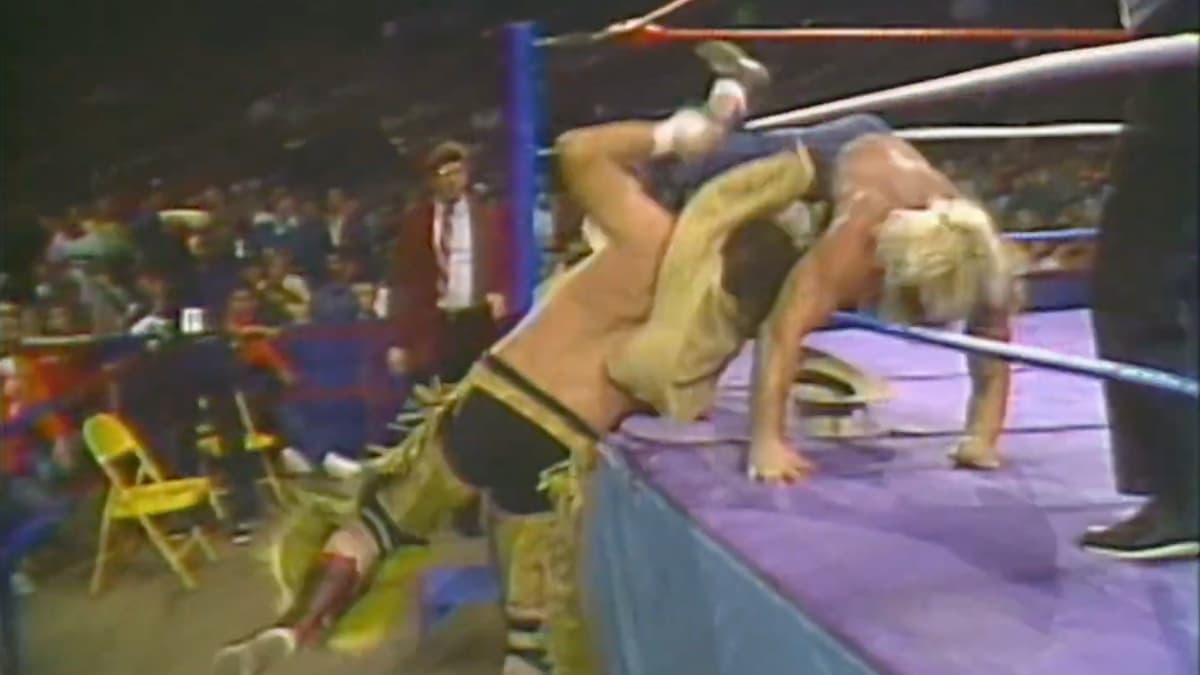
There was another dodgy finish in the next first-round match in a battle between Don Muraco and the man who ended his 385-day Intercontinental Title reign in February 1984 in Tito Santana, who was now in his second reign with the gold.
This match featured another dodgy finish and was very much a case of a biased referee. The final moments saw Don Muraco hit a powerslam next to the ropes, which he followed up with a cover. The referee then counted the 1-2-3, causing Muraco to jump to his feet in celebration. The bell didn't ring, however, and the referee declined to inform Muraco that he hadn't won when Tito Santana suddenly caught the still-celebrating Muraco with an inside cradle for the victory out of nowhere.
Then, to close out the first round, it was time for one more dodgy finish as Cowboy Bob Orton was disqualified in his match with Paul Orndorff after he decked Mr Wonderful in the head with a cast wrapped around his arm in full view of the referee.
After the first round, it was time for the quarter-finals of Dynamite Kid vs. Adrian Adonis, Randy Savage vs. Ricky Steamboat, Junkyard Dog vs. Moondog Spot, Tito Santana vs. Paul Orndorff.
Dynamite Kid vs. Adrian Adonis was entertaining, especially with Jimmy Hart shouting from his megaphone at ringside. The Mouth of the South would get involved in the finish too, as a kick-out from Billington sent Adonis spiralling into his manager, with Kid immediately covering Adonis after he crumbled to the mat for the win.
The second match of the quarter-finals promised to be electrifying as Randy Savage and Ricky Steamboat faced each other for the first time ever, two years before they had the best WWF match of the 1980s, and one of the best matches in company history, really, at WrestleMania III. The match came nowhere close to their 1987 clash but it was fun on the way to another dirty finish as Savage clobbered Steamboat with a pair of brass knuckles on a backdrop while the official wasn’t looking for the win out of nowhere.
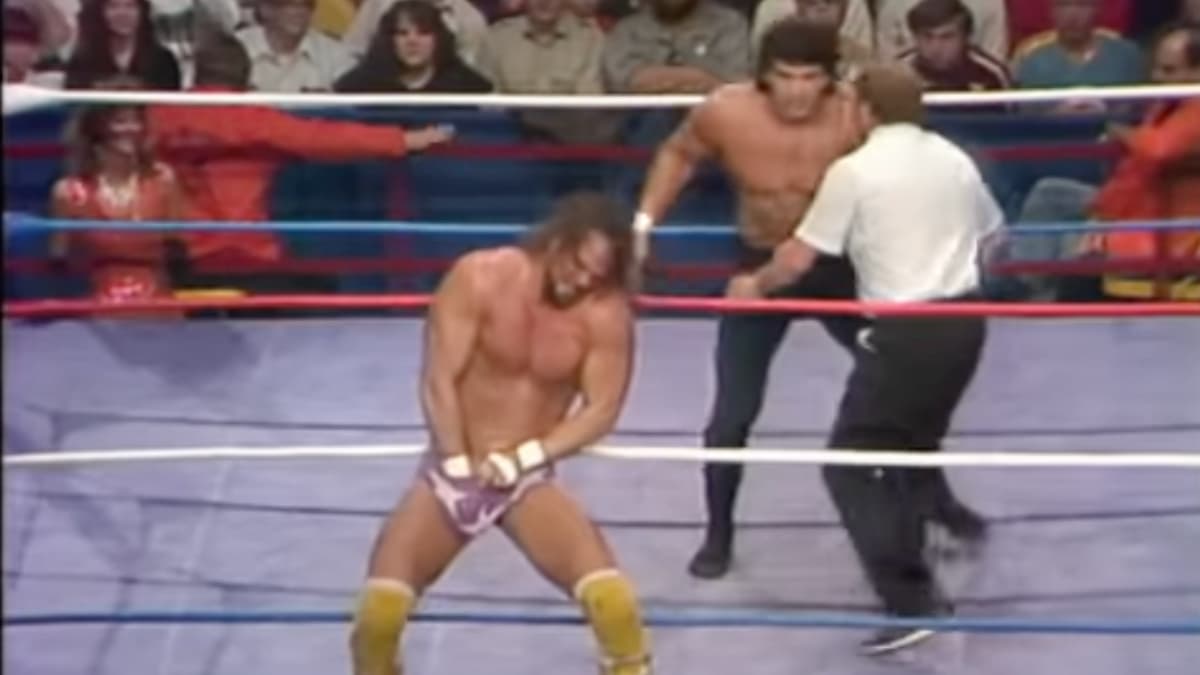
Then, one of the most bizarre finishes in the history of the World Wrestling Federation - which is really saying something - took place as Junkyard Dog went one-on-one with Moondog Spot. For some reason, both Spot and JYD made their entrances before a referee had entered the squared circle, and a referee never materialised by the time the two competitors began brawling, with the bell being rung by the timekeeper regardless.
The two men brawled for around 40 seconds when Junkyard Dog caught Moondog Spot with his trademark headbutt and proceeded to make the cover. There was still no referee, however, so Junkyard Dog just counted the 1-2-3 for himself, at which point, inexplicably, the timekeeper rang the bell for the end of the match. Gorilla Monsoon, on commentary with Jesse “The Body” Ventura, expressed amazement at the result and doubted it would be made official, only for ring announcer Howard Finkel to announce seconds later that JYD was the official winner and would advance in the tournament.
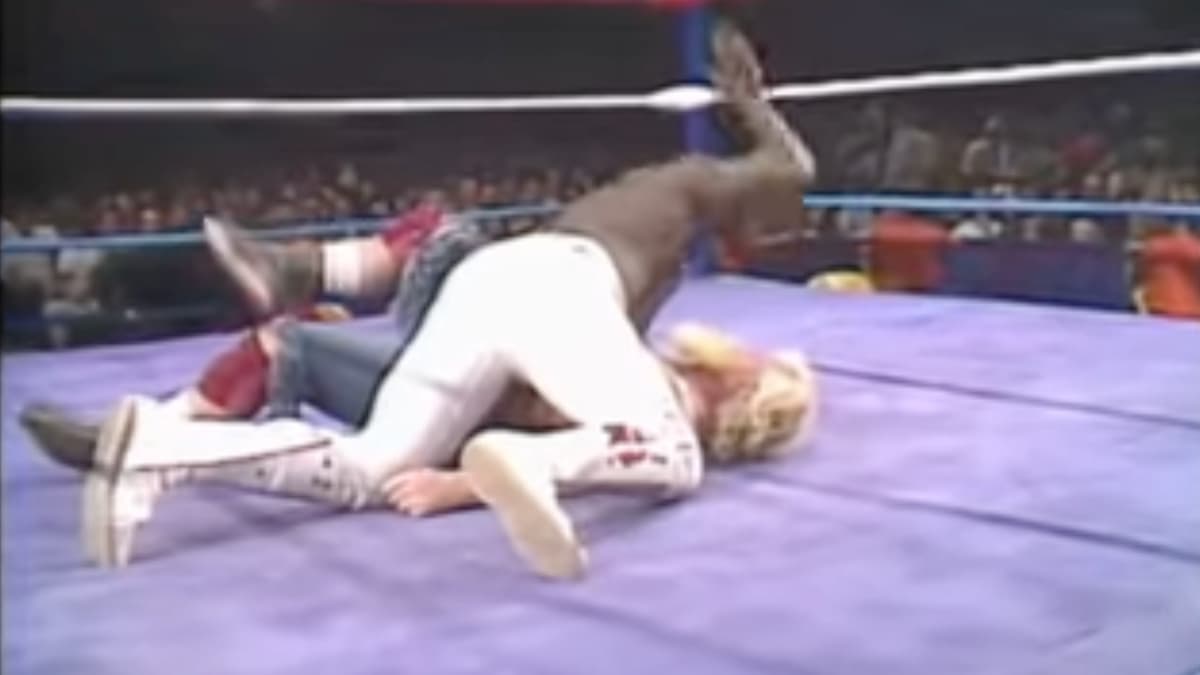
Dave Meltzer in the November 16, 1985 edition of the Wrestling Observer Newsletter described the match as “the stupidest thing I’ve seen in a long time” and rated it -5 stars.
For the final quarter-final, it was more of a normal WWF finish for the 1980s as Paul Orndorff and Tito Santana brawled to a double count-out on the outside, which also meant there would only be one semi-final, giving Junkyard Dog, who was somehow already looking tired, a bye to the final.
Before the semi-finals, though, it was time for the WWF Championship match between Hulk Hogan and Roddy Piper.
Hogan and Piper began grappling over the WWF Title before the bell even rang, and the action quickly spilt to the outside, with Hogan briefly sending Piper over the railing before the action went back to the ring. Hogan actually enjoyed a lot of the early going on top, with Piper only fighting back once the referee hooked Hogan’s arm when they were in the corner in some completely over-the-top interference from the official.
Both men then spent time in control, including what looked set to be a never-ending sleeper hold from the challenger, which led to a customary Hulk Hogan hulk-up but did not culminate with a leg drop, although there was the trademark big boot from The Hulkster.
Soon after, there was a ref bump as Piper decked Hogan with a double axe handle and Hulk propelled straight into the official. Piper proceeded to take advantage, attacking the WWF Champion with a yellow steel chair. Hogan stopped the chair when Piper tried to choke him with it, though, and Terry Bollea won the grappling over the weapon before he battered Piper with the chair and then applied a steel chair-assisted sleeper. Hogan, seeing the referee was coming around, only relinquished the big yellow appliance at this point to avoid holding a glaring advertisement to his cheating.
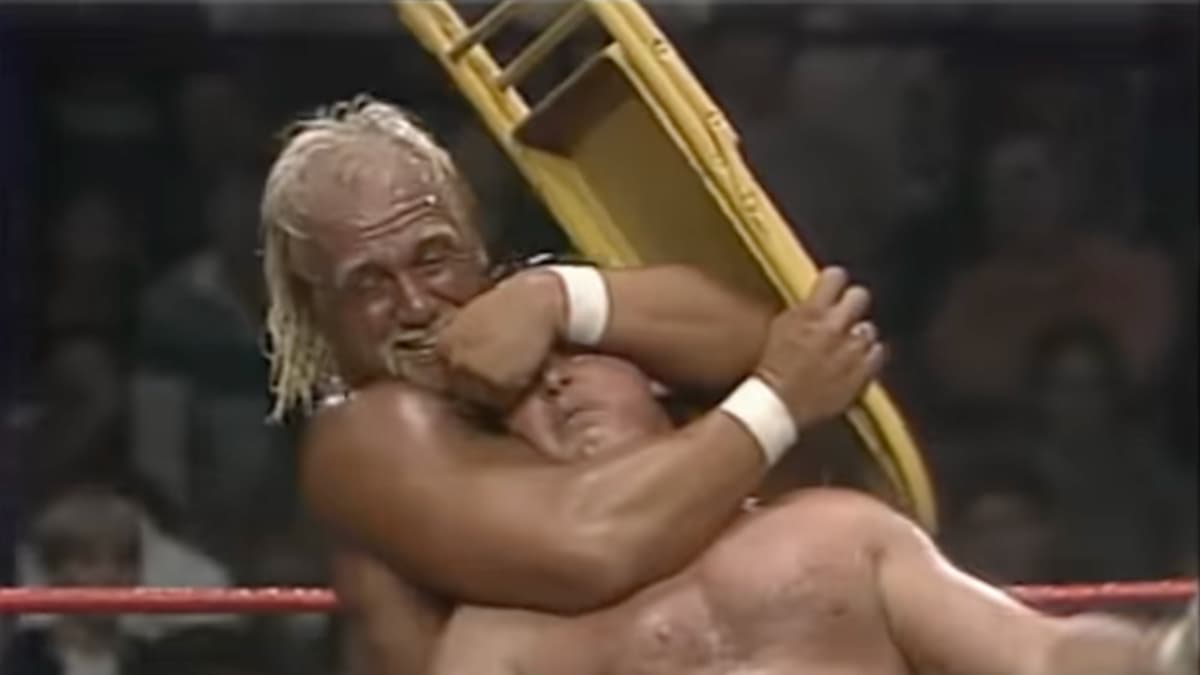
While a now-chairless sleeper was applied, Cowboy Bob Orton arrived out of nowhere and attacked Hogan, with the referee calling for the DQ and handing the victory to The Hulkster.
Orton and Piper beat down Hogan, with a down Hulk being described as “just Pearl Harboured” by Gorilla Monsoon on commentary, until Paul Orndorff finally made the save, with the crowd booing until Hogan had his arm raised.
Overall, the match wasn’t particularly good and suggested another Hogan vs. Piper singles match would soon be on the way. A tag team match was set up later in the evening as Hogan and Orndorff challenged Piper and Orton to a bout at a later date. That match wasn’t televised, though, and took place at a WWF house show at the Rosemont Horizon on December 13, 1985. It was won by Hogan and Orndorff.
Hogan and Piper, meanwhile, wouldn’t have another singles match until 11 years later when the babyface/heel roles were reversed and Piper pinned Hollywood Hogan in the main event of WCW Starrcade 1996.
With the WWF Title match out of the way, the 16-man tournament resumed, and Randy Savage and Dynamite Kid, two of the best wrestlers in the company, went one-on-one in an enjoyable match that ended with a superplex, of all moves, when Savage suddenly applied an inside cradle for the clean win out of nowhere.
The semi-main event portion of The Wrestling Classic was actually a segment announcing the winner of a Rolls-Royce Silver Cloud III as opposed to a professional wrestling match. The competition had been promoted heavily by the World Wrestling Federation in newspapers across the United States advertising The Wrestling Classic, and there were 250,000 entries, according to the company.
The segment announcing the winner did not belong on a pay-per-view, and the crowd just wanted to get on with the pro wrestling as various dignitaries made announcements, including on-screen WWF President Jack Tunney, who was never known for being filled with charisma.
This meant the fans inside the Rosemont Horizon quickly began to boo the dignitaries in the ring, but they went on making statement after statement in promos that weren’t even kept short, either.
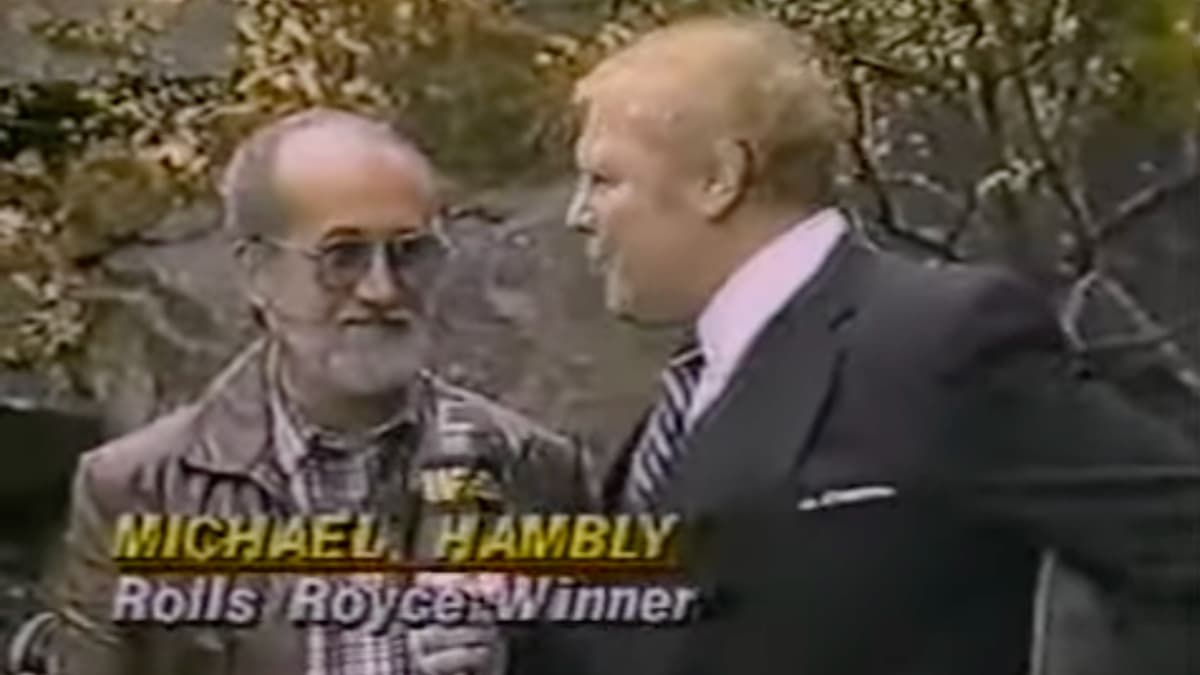
Lord Alfred Hayes became the fourth person of the segment to speak and the WWF host even failed to get a cheap pop from the crowd when he expressed how good it was to be in Chicago. Mercifully, after that failure, Hayes got on with it and announced the winner of the Rolls-Royce was Michael Hambly from Batavia, Illinois.
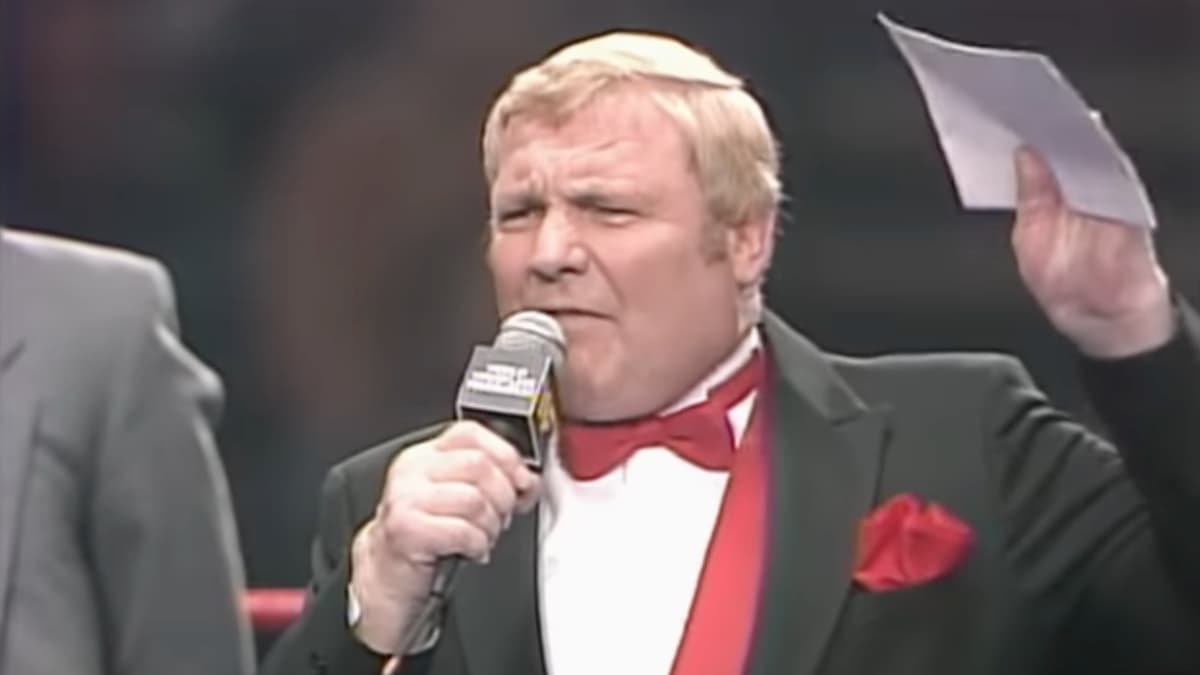
Although Hambly was a local, the announcement of him winning wasn't cheered, and when Hayes shouted, “Now, I’ve got to ask everybody here from the old days I remember in the amphitheatre, let’s give him a real good Chicago cheer, come on!” the boos inside the arena only reached another level.
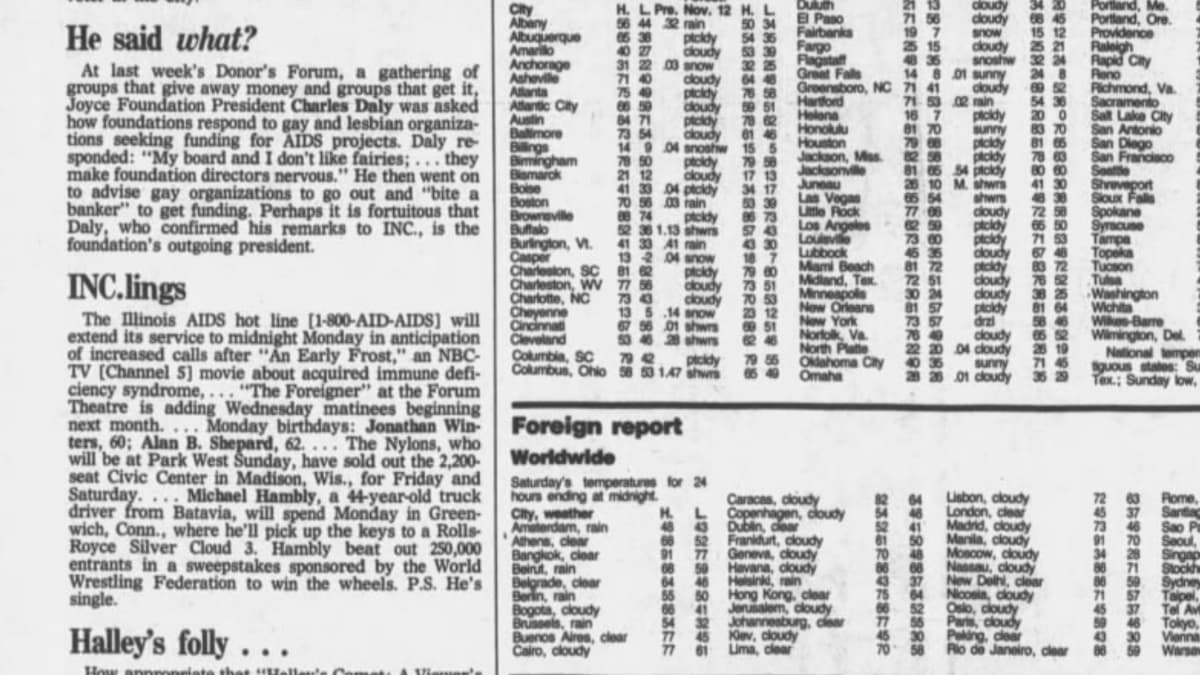
The competition did at least get WWF some more mainstream attention as it was covered in the Monday, February 11, 1985 edition of the Chicago Tribune as that was the day Michael Hambly - revealed to be a 44-year-old truck driver - was receiving the keys to the Rolls-Royce, which he received in one of the most awkward interviews to ever take place on WWF programming.
The article in the Chicago Tribune didn’t receive prime billing, though, and was actually situated between an announcement about the hours of the Illinois AIDS hotline being extended to midnight and The Nylons selling out the Civic Center in Madison, Wisconsin. The article also promoted that Hambly was single, which wasn’t the case as he was already dating his long-time partner Bonnie Reyes by the time The Wrestling Classic rolled around.
It’s unknown how much Hambly enjoyed the vehicle. He sadly passed away on September 11, 1998 at 57 years old. It was noted in the announcement of his passing that ‘Mickey’ Hambly worked for 27 years at the Geneva Construction Company in Aurora, Illinois and he “enjoyed old cars, motorcycles, and collecting various items of interest. He also enjoyed tinkering and building projects.”
After that bizarre segment on an evening of bizarre happenings, it was time for the final of The Wrestling Classic tournament between Randy Savage and a somehow still-tired Junkyard Dog. That didn’t bode well for the contest and Macho Man was left to carry a JYD who was sweating profusely and couldn’t catch his breath for the second half of the nine-minute contest.
The match also featured more dodgy officiating, as after Savage hit two double axe handles from the top turnbuckle to the floor, with this being about JYD’s limit at this point as he tried to get some energy back, Savage decked his opponent with a bright yellow steel chair in full view of referee Earl Hebner.
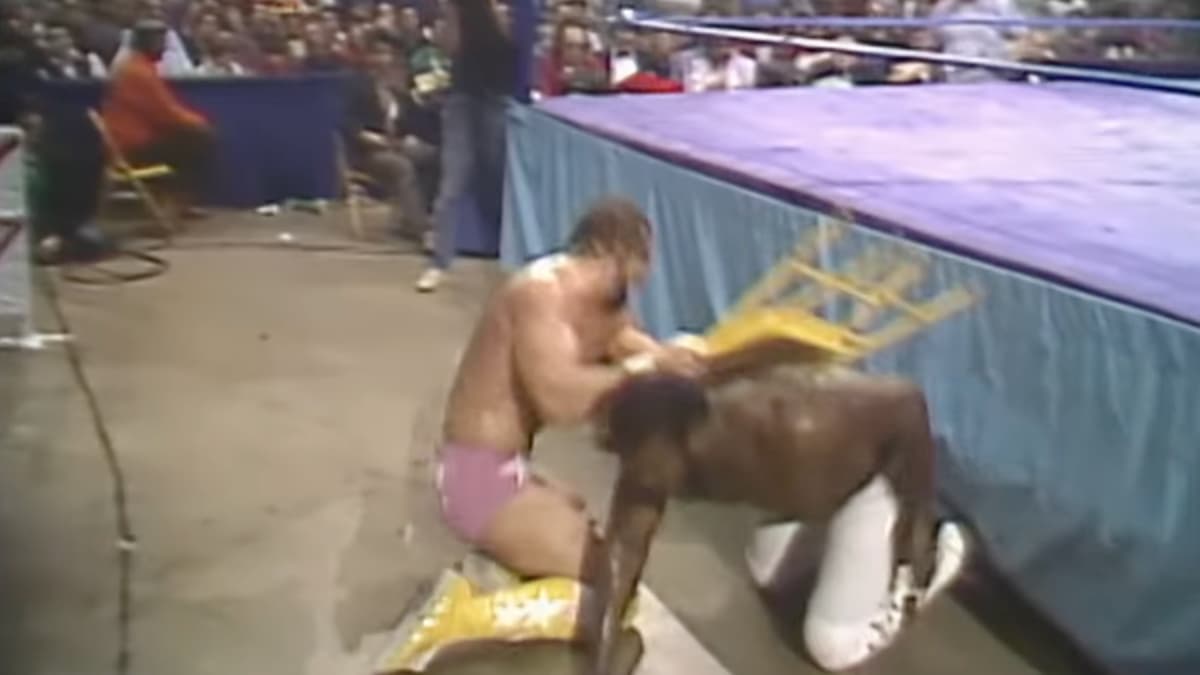
The official didn’t call for the DQ, though, and he simply kept counting as both men brawled on the outside, with Gorilla Monsoon and Jesse Ventura pointing out that Savage could very well have been disqualified by another official.
With the match continuing, Savage went for another double axe handle back in the ring, but JYD blocked it and followed up three terrible-looking headbutts that Macho Man sold like he was Shawn Michaels wrestling Hulk Hogan at SummerSlam 2005.
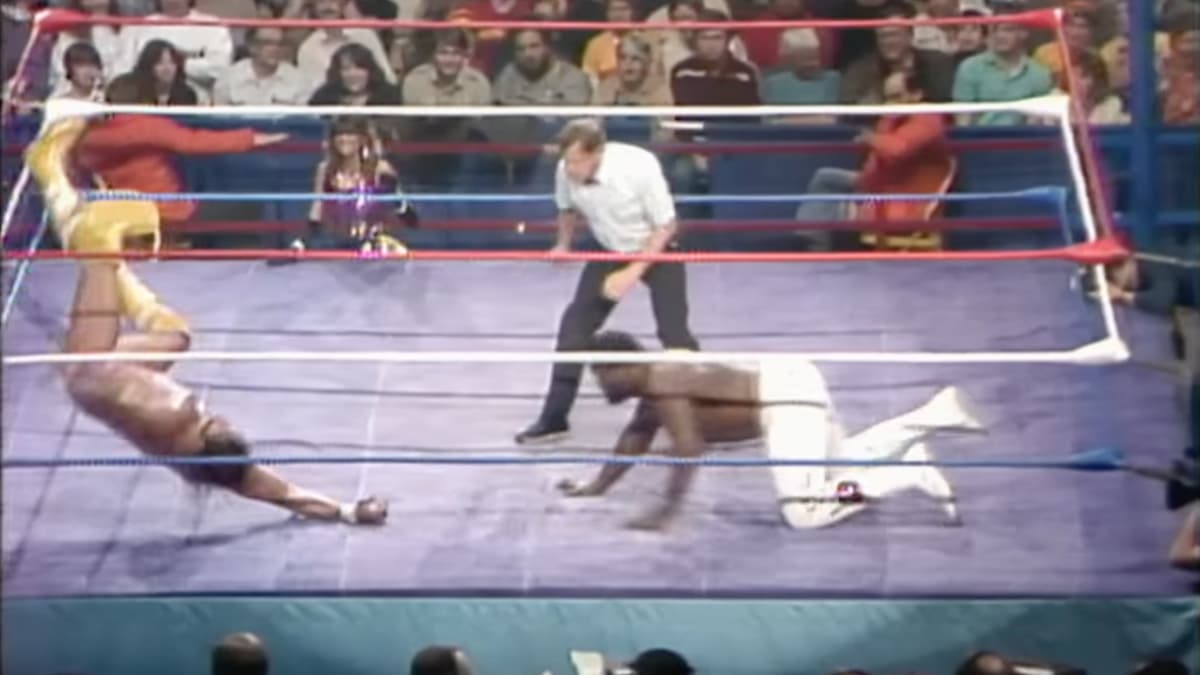
Another headbutt then had Savage tied up in the ropes briefly, but Hebner freed Savage, and Macho Man fought back, going for a clothesline, only to be sent over the top rope by JYD. Junkyard Dog could hardly stand, but Savage failed to get back into the ring by the count of 10, leaving the former Mid-South star as the winner of the 16-man tournament.
After Jesse Ventura had lambasted Junkyard Dog as an unworthy winner in the final in-ring segment of the night, the broadcast cut back to the trio of Vince McMahon, Lord Alfred Hayes and Susan Waitkus.
The pay-per-view had utilised the trio throughout the night, and the show very much showed its age in these segments that featured Hayes acting like a sex pest towards Waitkus.
In the first cutback at the end of the first round of the tournament, Hayes, unaware of the camera, was caught gripping an uncomfortable-looking Hayes, who was trying to break free, as Vince McMahon tried to get his co-host’s attention, with the suggestion being that Hayes had been harassing his co-host during the first eight matches of the night.
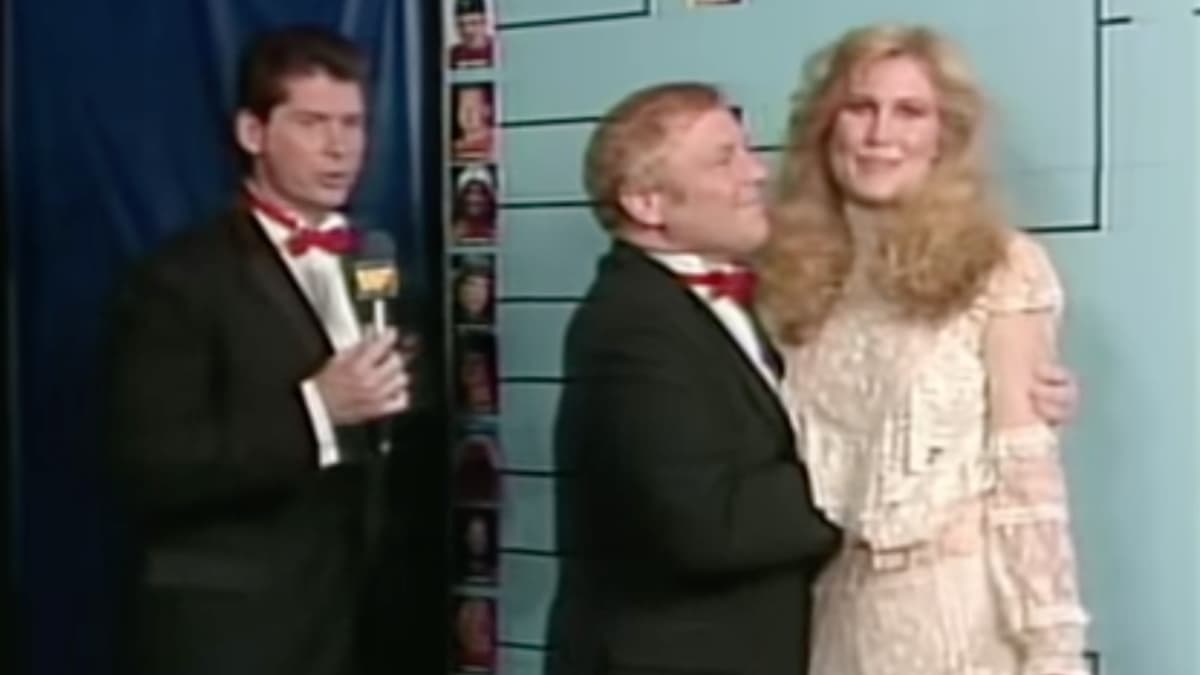
Later in the show, the broadcast cut back to the trio when Lord Alfred Hayes was harassing Susan Waitkus, holding her and kissing her cheek as she still looked uncomfortable, before Hayes noticed the camera and actually analysed some of the pro wrestling.
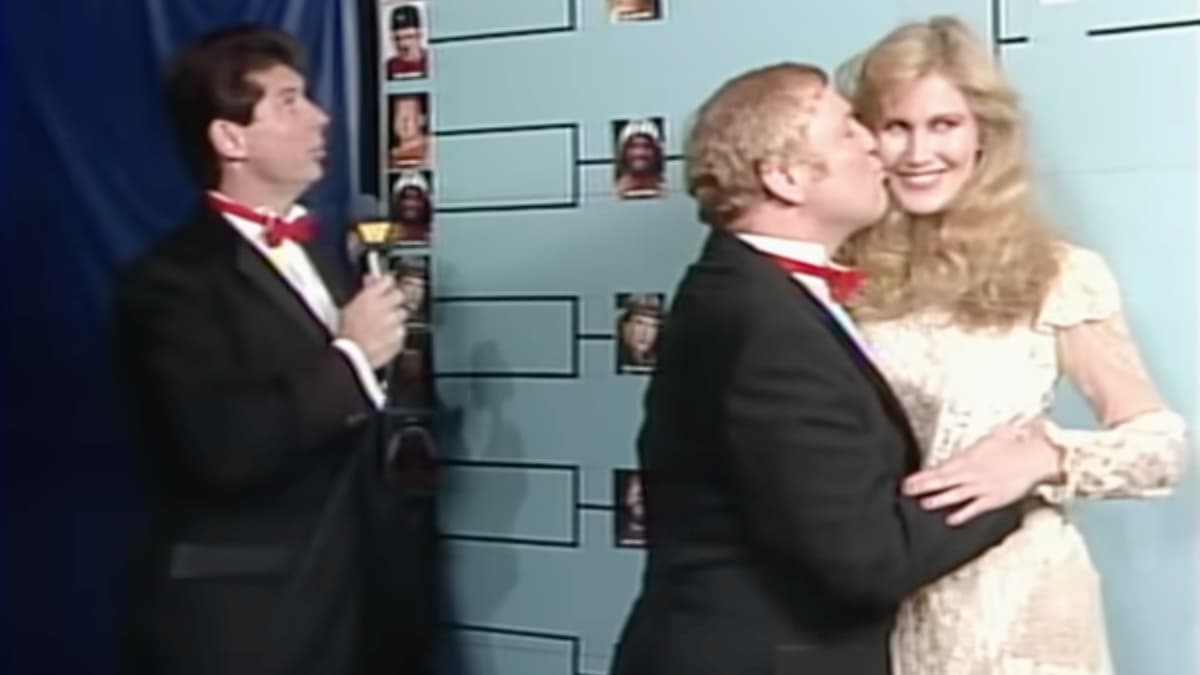
Despite all of this harassment, Susan Waitkus planted a kiss on Lord Alfred Hayes in the final segment of the night, which was followed by several insinuations that Hayes was going to engage her in sexual intercourse after The Wrestling Classic was over.
This included Hayes insinuating he was going to “fix her up” after the event, and after Waitkus said she thought she should have won the Rolls-Royce, Hayes replied, “Oh, you’ll win something. Don’t worry.”
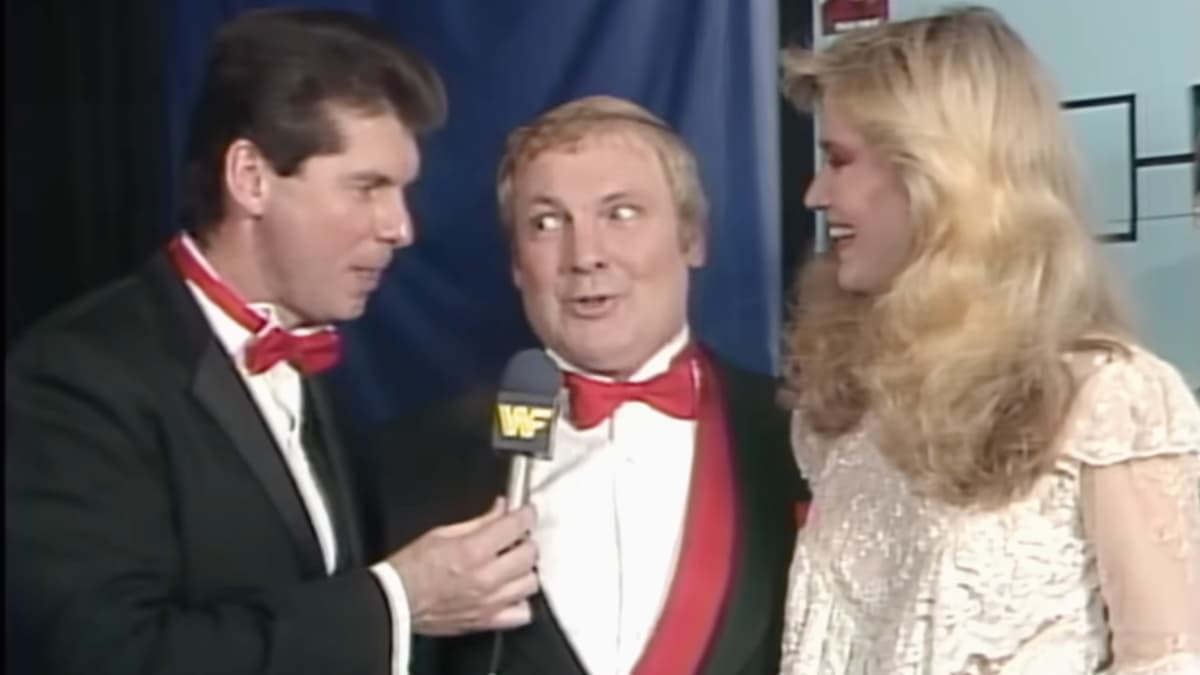
Vince McMahon then signed off the broadcast for what he described as the "first annual World Wrestling Federation Classic." This would ultimately be the only Wrestling Classic in WWF history, however.
While the show has largely been forgotten about, contemporary reviews of The Wrestling Classic were actually positive about the show.
Dave Meltzer in the Wrestling Observer Newsletter described The Wrestling Classic as “one of the best wrestling cards I’ve seen all year, and the best WWF card I’ve probably ever seen.”
Meltzer also noted he wouldn’t have felt “ripped off in the least” at paying $12 to watch the pay-per-view. In particular, Meltzer noted he was impressed by the talent, the workrate on display, Jesse Ventura’s announcing, the pacing of the show, the unpredictability, and Randy Savage.
Despite the positive praise for the event, WWE scrapped plans for another four Wrestlevision pay-per-views following The Wrestling Classic. It was noted the show was considered a disappointment on pay-per-view, only bringing in 47,000 buys. Electronic Media noted in March 1986 the event wasn’t as successful as WrestleMania I, with 3-4 per cent penetration compared to 9 per cent for the first WrestleMania.
Vince McMahon noted to the same outlet that, “All of our guns weren’t loaded for Wrestlevision as they were for WrestleMania.”
Dave Meltzer reported that the gate for The Wrestling Classic was $148,000, half of what Verne Gagne drew for AWA SuperClash at Chicago’s Comiskey Park in September of 1985. Meltzer assumed the show was still profitable on pay-per-view even after costs were split 50/50 between the WWF and PPV provider Video Techniques, but the cancellation of future Wrestlevision events suggests WWE weren’t happy with the project, and there has never been another Wrestling Classic from the World Wrestling Federation or World Wrestling Entertainment.